NASA’s SR-1 Freedom Advances with Progress on Nuclear Power Module
Destined for Mars and beyond, NASA’s Space Reactor-1 (SR-1) Freedom will be humanity’s first fission-powered spacecraft to travel outside Earth’s orbit. Announced during NASA’s “Ignition” event, this mission will demonstrate nuclear electric propulsion in deep space, and progress is underway on its key element: the nuclear power module. To expedite development of the spacecraft, NASA […] The post…
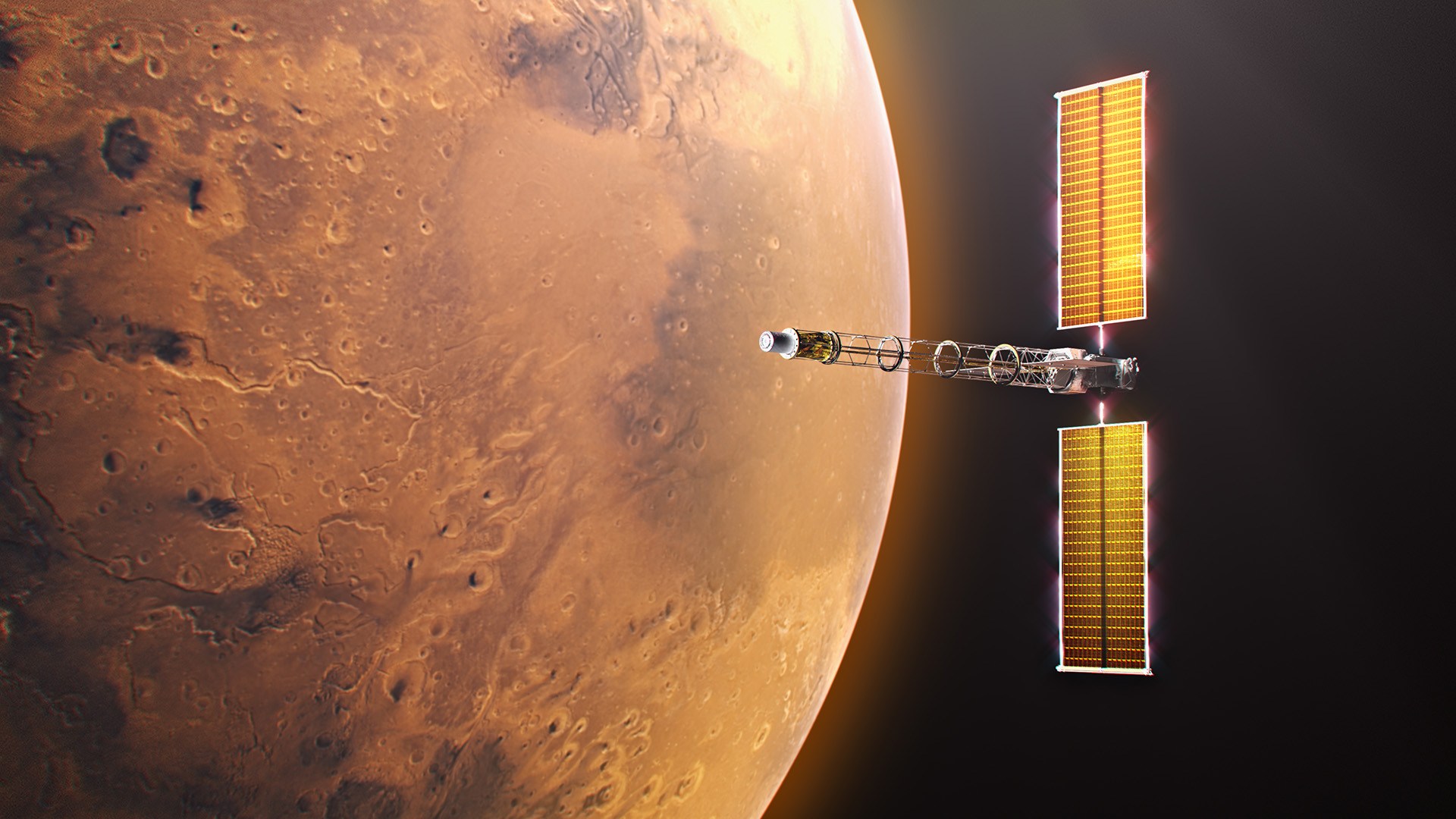
NASA's Space Reactor-1 Freedom (SR-1 Freedom) mission has seen significant progress in the development of its nuclear power module, bringing humanity closer to the first fission-powered spacecraft to venture beyond Earth's orbit. Initially announced at NASA's "Ignition" event, this ambitious mission aims to demonstrate nuclear electric propulsion in deep space and pave the way for future deep space exploration.
Key to the SR-1 Freedom's success is its nuclear power module, which consists of a nuclear reactor and a power conversion system that converts the reactor's heat into electricity to power the spacecraft's systems and electric propulsion. The module, set to be deployed at the end of the spacecraft's boom, is currently being developed by a partnership between NASA and its collaborators.
Sierra Lobo Inc. has been tasked with providing the closed Brayton cycle power conversion system, responsible for transforming the thermal energy generated by the fission reactor into usable electrical power. This crucial component is currently being developed under the Space Flight Systems Development and Operations Contract III, awarded by NASA in 2024, and will be manufactured at NASA's Glenn Research Center in Cleveland.
Meanwhile, the nuclear reactor itself is being designed and developed by the Department of Energy's Idaho National Laboratory. Throughout the development process, NASA and the Department of Energy have integrated strict safety standards, ensuring comprehensive interagency safety reviews, continuous oversight by a NASA chief safety officer, regulatory compliance, and a rigorous safety design process that focuses on hazards, failure tolerance, and nuclear safety.
In terms of mission objectives, SR-1 Freedom will deliver a team of three Mars helicopters, known as SkyFall, to conduct scientific research, explore potential water sources, and demonstrate exploration zones on the Red Planet. This mission will serve as a stepping stone for future deep space exploration and the development of next-generation fission-powered systems designed to maintain NASA's Moon Base during periods of darkness and in locations where solar power alone is insufficient.
Written by urgent.news from NASA Science's reporting — not their text. Machine-written — may contain errors; check the original before relying on it.