Marine life dramatically declined in Gulf of Mexico in years after BP oil spill, study finds
In the years after the 2010 BP oil spill, the number of fish in the deeper parts of the Gulf of Mexico dramatically declined.
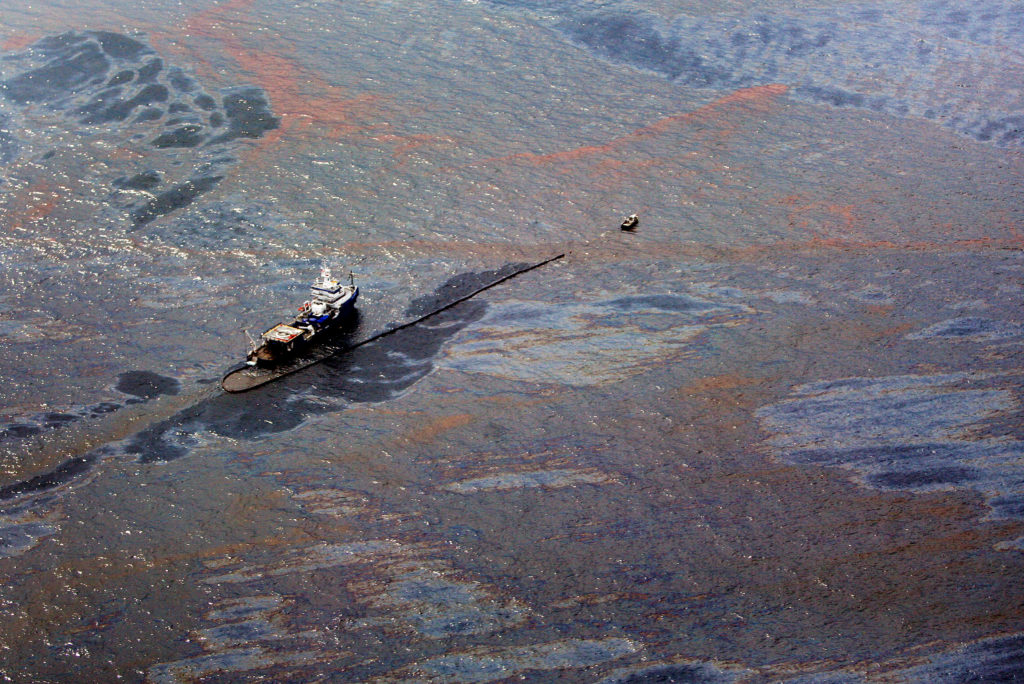
A new study published in the journal PNAS reveals a dramatic 60% decline in marine life in a crucial section of the Gulf of Mexico following the 2010 Deepwater Horizon oil spill. The area between the surface and 5,000 feet deep, where the BP-operated well failed, saw a 63.5% drop in fish populations, a 62% decline in crustaceans like shrimp and krill, and a 59.7% decrease in squid and octopus.
Despite three and a half years of monitoring, the populations remain significantly lower than in 2011, with a slight increase in 2022 and 2023 that is not statistically significant or lasting. Researchers suspect the oil spill as the primary cause of the decline, as other natural factors like temperature, oxygen supply, and food supply did not explain the drop.
The study utilized net sampling, acoustic sonar, and genetic studies to document the population declines. The krill population dropped by 72%, lanternfish population decreased by a third, and dragonfish experienced significant losses. These foundational species, which many other marine life rely on for survival, have been severely impacted, leading to widespread changes in the ecosystem.
Written by urgent.news from PBS NewsHour Science's reporting — not their text. Machine-written — may contain errors; check the original before relying on it.
This story
This is one outlet's version. Read the fullest account.