Mods can almost double DLSS 5 performance through Foveation, reducing resolution at the edges of frames
VR rendering technique of foveated imaging gets integrated into DLSS 5, making it much easier to run
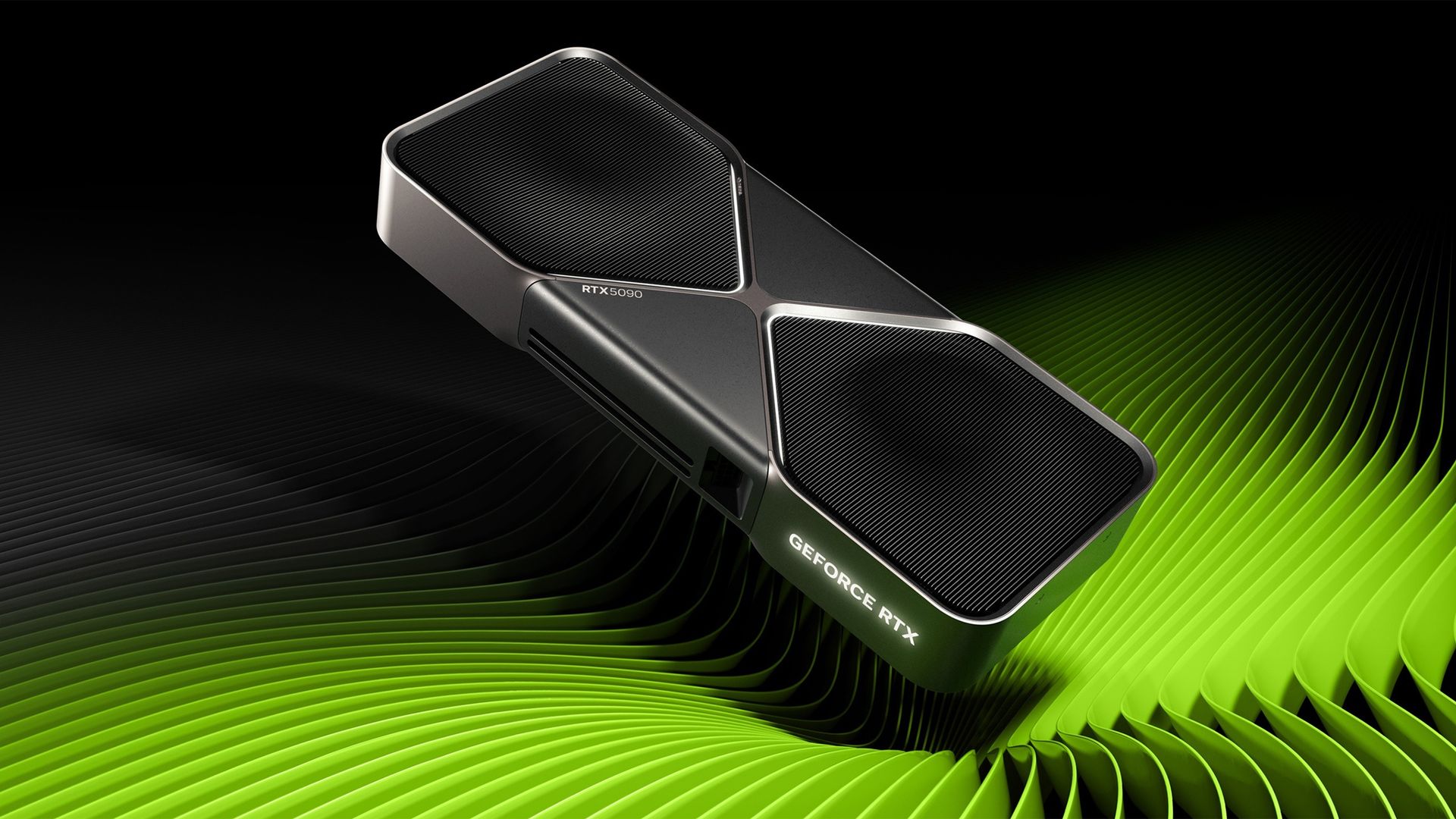
Mods can almost double performance of DLSS 5 through foveation, which reduces resolution at the edges of frames. ReShade, a popular graphics post-processing injector software, now features a foveated imaging add-on that allows DLSS 5 to affect only what is in view, reducing GPU load and increasing FPS. Foveated imaging is a technique used in VR to boost performance by rendering only what is viewed, typically increasing resolution in the center and reducing it at the edges.
Our eyes function similarly, with a clear image in a small central area and blurrier edges. Foveated rendering aims to make the lower-resolution edges less noticeable due to the limited focus on fine details in peripheral vision. A mod for DLSS 5 has been created using ReShade that can double performance by reducing resolution inputs near the edges.
However, instead of varying the image's resolution, it varies DLSS 5's Neural Rendering detail level, which is a resource-intensive task. Projects like Maximedgoulet’s Foveated DLSS5 and C larkCheekyKent’s CheekyFoveatedDLSS aim to minimize this task by focusing rendering detail on the central area of the image, with customizable focus area size and fall-off rate.
Maximedgoulet's add-on implementation for ReShade is longer compared to the standalone CheekyFoveatedDLSS, but both show significant performance improvements. Maximedgoulet claims an increase from 48 to 80 FPS in The Witcher 3 with 2x Multipass at ultrawide 7680x2160p on an RTX 4090, suggesting that foveated rendering could make Neural Rendering more playable on high-resolution displays.
Written by urgent.news from Tom's Hardware's reporting — not their text. Machine-written — may contain errors; check the original before relying on it.