Ex Ilva: oggi ultimo atto in Corte di Cassazione, si decide sull’area a caldo
Oggi ultimo atto per l’area a caldo dell’ex Ilva di Taranto, la parte centrale dell’acciaieria. Se dovrà fermarsi definitivamente come ordina il decreto della Corte d’Appello di Milano ...
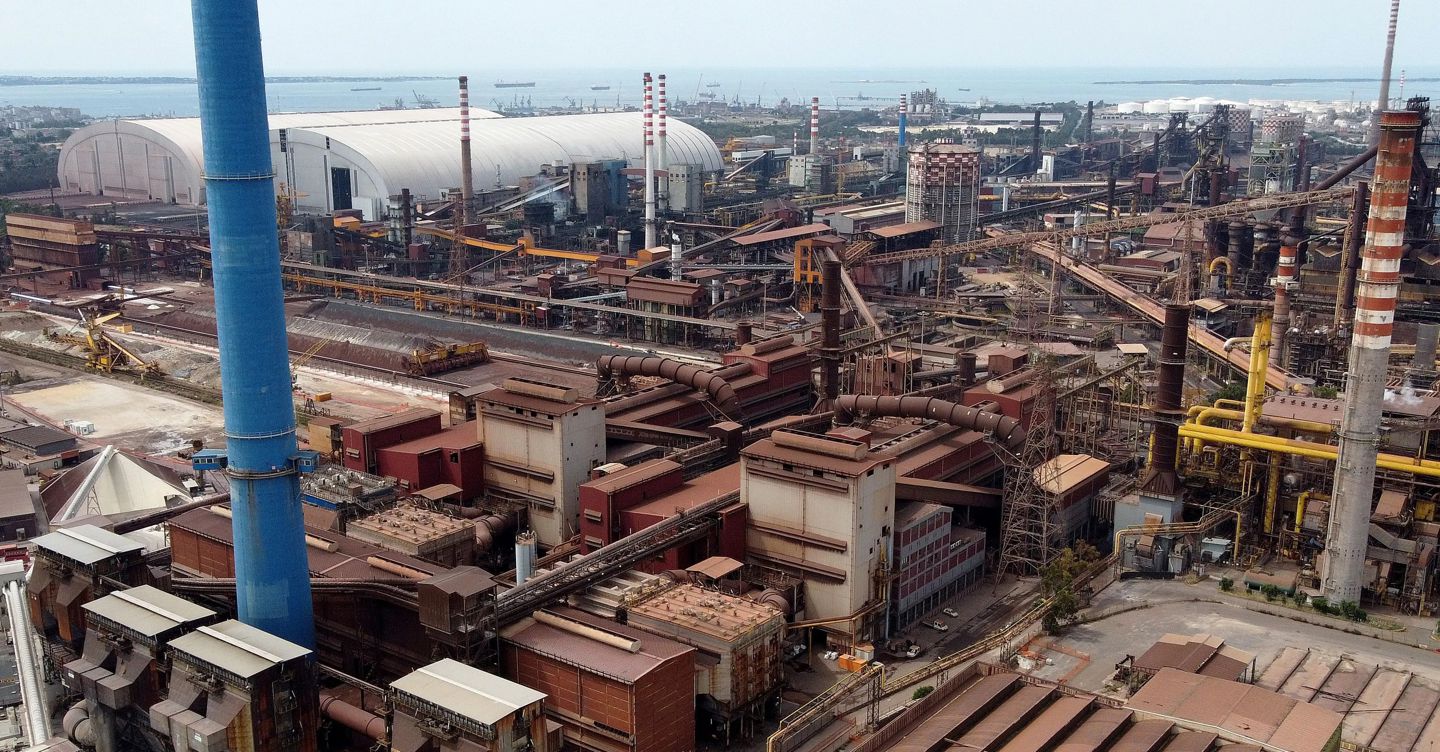
The final ruling for the hot area of the ex Ilva steel plant in Taranto has arrived from the Court of Cassation. It remains unclear whether the facility will be permanently closed, as ordered by the Milan Court of Appeal, or remain open. The Supreme Court's response is expected soon, as the case has been given a one-month hearing window after the companies in extraordinary administration, Ilva and Acciaierie d'Italia, appealed the Milan court decree with extraordinary appeals.
The companies also sought to suspend the decree, but were unsuccessful. The Milan Court of Appeal's order to stop the hot area was confirmed on September 9 and 30, this time in the presence of the upcoming Cassation Court decision. The decree, issued on July 27, gives the company 90 days to halt altifiers and the steel plant, which ends on October 25.
The main concern of the Milan judges was the emission of fine particles, PM 2.5 and PM 10, and the presence of asbestos in the altifiers, ordering the reduction of the former and removal of the latter from the facilities. Until the Cassation Court's decision, the government has authorized Ilva and AdI commissioners to keep the facilities pre-heated, a minor technical measure without production, until December 15.
The steel plant manager is preparing for the October 25 deadline by blocking raw material purchases, halting production, placing facilities in pre-heating, and providing a massive extraordinary integration fund for 8,622 employees out of a 9,626 workforce, of which 6,964 are in Taranto. However, the fund has not yet been disbursed, and this has sparked a protest in Genoa.
The new fund will be discussed after the Palazzo Chigi summit on October 27. For now, the fund remains in operation with the authorized numbers: a maximum of 4,450 employees, 3,800 of whom are in Taranto. The Cassation Court may confirm, overturn, or annul the Milan Court's decree, even if the Supreme Court overturns the Milan order, the hot area cannot immediately resume as there are no longer raw materials or funds to purchase them in Taranto.
Several steps, including ordering purchases, acquiring resources, receiving ships with raw materials in Taranto, and restarting facilities, will take about three months. It is not even certain that the hot area will resume if the Cassation Court overturns the Milan decree, as this depends on a series of evaluations. The hearing in Rome is the epilogue of a legal battle that citizens of Taranto began years ago.
Initially, an injunction was filed against the company at the Milan Court, then transferred to the European Court of Justice in Luxembourg, which ruled in June 2024 that any industrial installation harmful to health and the environment must be stopped. The Milan Court then applied the Integrated Environmental Authorization granted to Acciaierie in the summer of 2025, finding it lacking in several provisions, and gave the company time to comply by August 24, 2026, or face closure.
However, the decision was appealed by Ilva, AdI, and Taranto citizens, and the Court extended the injunction by parts, noting the dangers of asbestos and fine particles, requiring the removal of all asbestos and implementation of measures to reduce fine particle emissions to safe levels based on authorized production of 6 million tons per year.
The Cassation Court has asked Ilva and AdI to overturn the Milan decree, while citizens of Taranto oppose this request. The General Prosecutor's office at the Cassation Court criticized the Milan Court's decision, stating that asbestos has been determined to be dangerous purely hypothetically, while serious and relevant dangers to the environment and human health have been inferred from epidemiological data from long-past periods.
Written by urgent.news from Il Sole 24 Ore's reporting — not their text. Machine-written — may contain errors; check the original before relying on it.