Doctors and teachers to benefit from AI but safeguards needed to protect sensitive information
Experts have warned that strong cybersecurity safeguards are needed to protect sensitive information as artificial intelligence plays a growing role in health care and education. The UAE is expanding AI use across essential services as part of a wider drive to develop the technology. Abu Dhabi’s government digital strategy for 2025 to 2027 is backed by Dh13 billion ($3.54 billion), while the…
Experts have cautioned that robust cybersecurity measures are essential to safeguard sensitive information as artificial intelligence (AI) becomes increasingly prevalent in healthcare and education. The United Arab Emirates (UAE) is accelerating its use of AI across essential services as part of a broader initiative to advance the technology.
The Abu Dhabi government's digital strategy, set to run from 2025 to 2027, is backed by Dh13 billion ($3.54 billion), while the Ministry of Education has developed an AI literacy framework spanning kindergarten to Grade 12. In May, the UAE Cabinet approved a national policy to promote digital healthcare and AI, including the development of medical systems and the preparation of healthcare workers to utilize the technology.
However, sensitive data such as patient records, personal data, and financial details could be at risk when shared with AI tools like ChatGPT or Claude. Nisha Sanghani, a partner and head of Middle East at Ashurst Perkins Coie Risk Advisory, emphasized that the rapid adoption of AI must be accompanied by significant cybersecurity investments and training to prevent potential breaches.
She stressed that the success of AI in healthcare and education should be measured not just by its speed of adoption but by the better outcomes it delivers that people can trust.
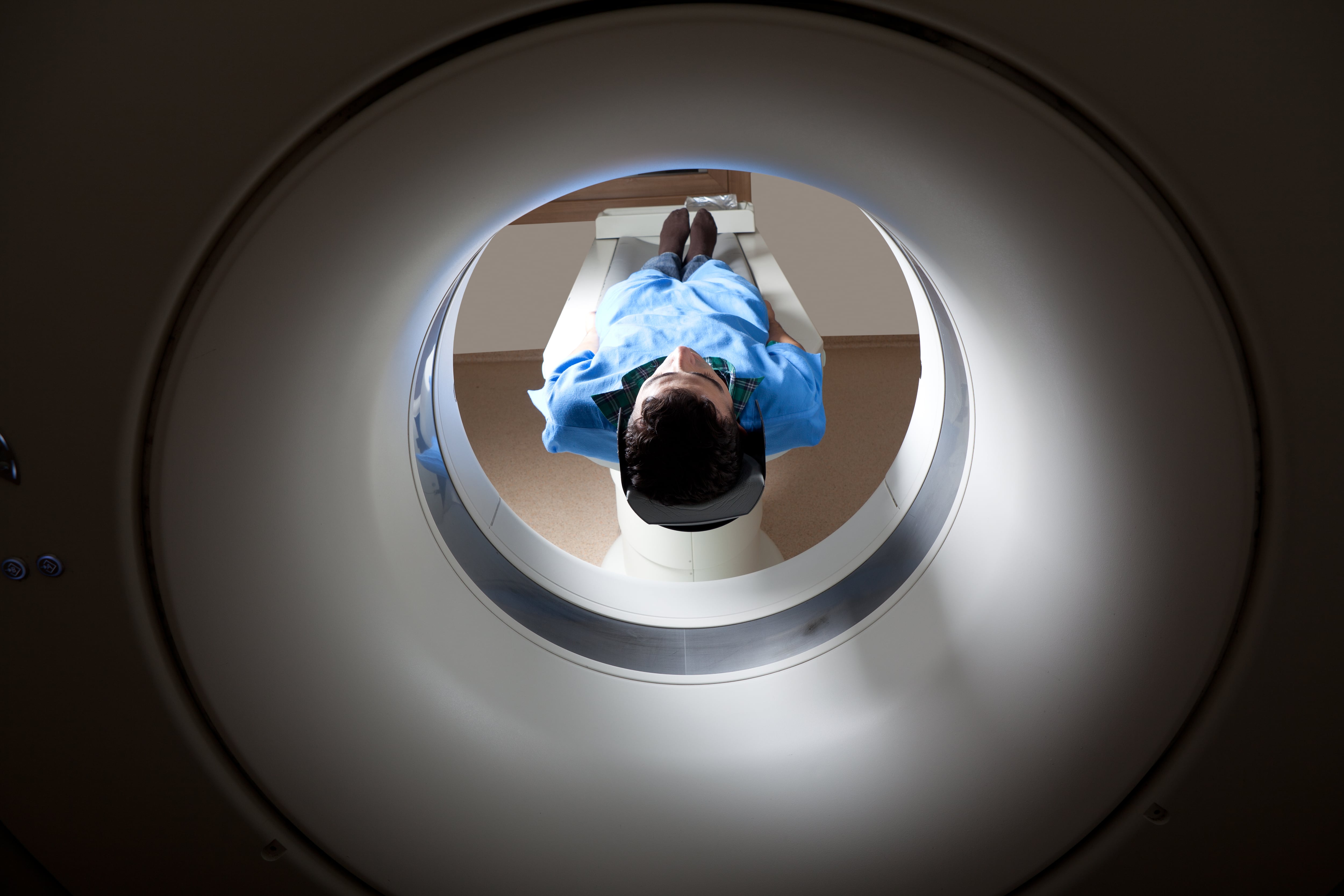
According to Nalla Karunanithy, CEO of digital health and e-commerce at Aster DM Healthcare, the organization is leveraging AI to assist radiologists in reading X-rays, measuring cardiac MRI scans, and supporting early detection of coronary artery disease. This enables doctors to focus on judgment rather than repetitive tasks. However, as AI adoption expands, healthcare providers must ensure that only approved systems have access to medical information and track what happens to it afterward.
Aster stores patient data within the UAE and meticulously reviews each AI system before granting access, conducting tests with synthetic data and permitting only pre-approved systems to handle genuine information. Aster's AI governance policy explicitly bans external providers from using patient data for model training or any other purpose beyond the authorized scope.
Vladislav Tushkanov, a research and development group manager at cybersecurity firm Kaspersky, highlighted the need to protect personal data by educating employees on the responsible use of internal AI systems. He stressed that personally identifiable information should not be transmitted to the cloud. Aster prioritizes data residency requirements, employing approved enterprise tools and maintaining an AI Centre of Excellence to oversee the assessment and deployment of AI solutions.
Earlier this year, hackers claimed responsibility for a significant data breach at American Hospital in Dubai, reportedly stealing 450 million patient records. Although the hospital has not commented on the matter at the time of this report, the incident underscores the potential consequences of lapses in cybersecurity. Costi Perricos, Deloitte’s global generative AI leader, urged organizations not to shy away from AI due to the need for enhanced caution but emphasized the importance of preparing employees for the changes AI may bring to their roles.
Bikram Mukhi, chief strategy officer at Soika Labs, reiterated the critical role of human oversight, especially in education, where technology is evolving faster than adoption rates. He stressed that users must recognize the technology's developmental stage and the risks associated with its unchecked deployment. Finally, Shadi Hatoum, regional manager for the Middle East and Africa at data platform company Tealium, noted that different AI applications require tailored standards and measures of success, emphasizing the need for a nuanced approach to AI implementation.
Written by urgent.news from The National UAE's reporting — not their text. Machine-written — may contain errors; check the original before relying on it.