Colombia and Armenia Launch Global Coalition to Recover Endangered Species
Colombia and Armenia have launched a global coalition to help endangered species recover in the wild, moving beyond efforts to prevent extinction. The Coalition of Action to Recover Endangered Species (CARES) was launched on Friday, Oct. 16, in Yerevan, Armenia’s capital, shortly before the United Nations biodiversity conference COP17, which runs from Oct. 19 to […]
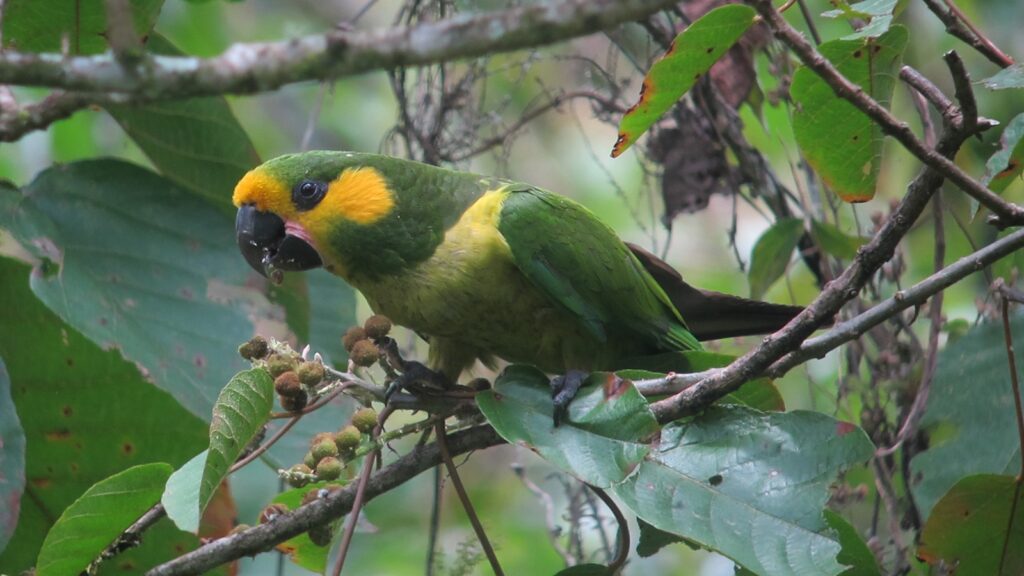
Colombia and Armenia have teamed up to form the Coalition of Action to Recover Endangered Species (CARES), a global initiative aimed at helping endangered species recover in the wild and bolster global biodiversity efforts. The coalition was unveiled in Yerevan, Armenia, on October 16, just before the UN biodiversity conference COP17.
Colombia and Armenia are at the helm of this initiative as they both presided over the previous two biodiversity conferences: COP16 in Colombia and COP17 in Armenia. Sixteen governments, including Brazil, Canada, China, Mexico, Peru, and the United Kingdom, have joined as founding members.
The CARES secretariat will be managed by Reverse the Red, an alliance formed by the International Union for Conservation of Nature and the World Association of Zoos and Aquariums. This coalition aligns with the fourth goal of the Kunming-Montreal Global Biodiversity Framework, which aims to halt and reverse nature loss by 2030. CARES provides governments with a platform to exchange knowledge and pinpoint species in dire need of additional support beyond habitat protection, with tangible progress expected by 2030.
Colombia has already spearheaded domestic efforts to protect species like the Orinoco crocodile, blue-billed curassow, and yellow-eared parrot, all of which face a high risk of extinction. A new philanthropic effort, the Species Recovery Alliance, launched in August, has allocated an initial US$200 million to support 100 critically endangered species across 30 countries. This support comes from the Phoenix Species Project, the Bezos Earth Fund, and Re, an organization co-founded by Leonardo DiCaprio.
The urgency of this cause is highlighted by the stark decline in wildlife populations: the WWF's Living Planet Report 2026 reveals a 73.2% average reduction in monitored wildlife populations between 1970 and 2022, although half of these populations have either stabilized or are growing. CARES acknowledges that while protected areas and local projects can help reverse declines in individual populations, isolated efforts are insufficient to tackle the wide-ranging pressures driving wildlife losses, including fossil fuel use, food production, and financial factors.
This coalition's success hinges on both funding and political commitment. Colombia, though proud of its leadership in biodiversity conservation, faces significant challenges. Current spending would need to increase four or fivefold to meet its national biodiversity plan's requirements by 2030. The proposed 2027 government budget cuts environmental investment by 50%, which could undermine Colombia's credibility in species recovery.
Despite this, Colombia remains committed to its goals, though it recognizes that a clear path to achieving the 2030 targets is yet to be determined. The stakes are high, not just for Colombia, but for the entire planet, as the preservation of forests like the Amazon and the resilience of ecosystems are crucial for climate change mitigation.
Written by urgent.news from Colombia One's reporting — not their text. Machine-written — may contain errors; check the original before relying on it.