Businesses repaying bank debt amid weak investment
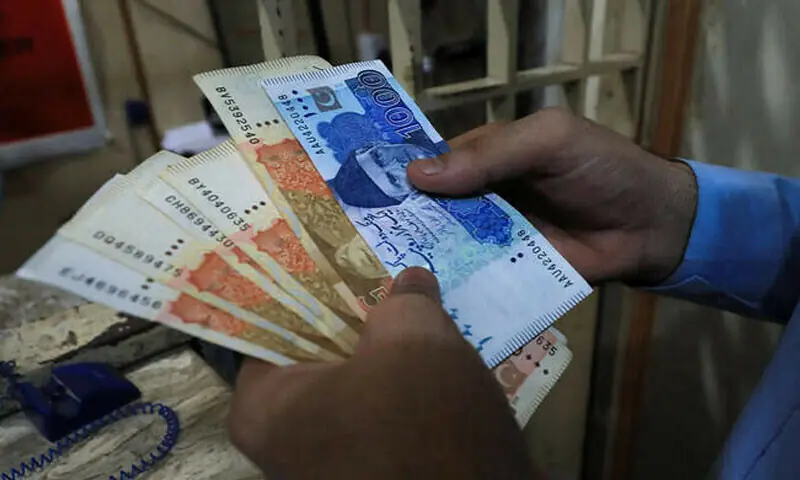
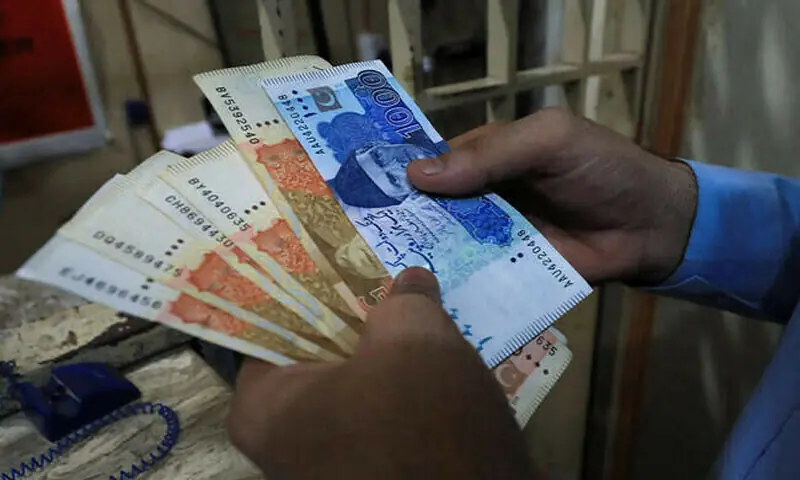
KARACHI: Nearly 100 days into the current fiscal year (FY27), the private sector has continued to retire bank debt rather than borrow, reflecting weak investment activity that could constrain economic growth. The latest data released by the State Bank of Pakistan (SBP) on Monday presents a discouraging picture, with businesses showing little appetite for bank financing, a key source of investment…
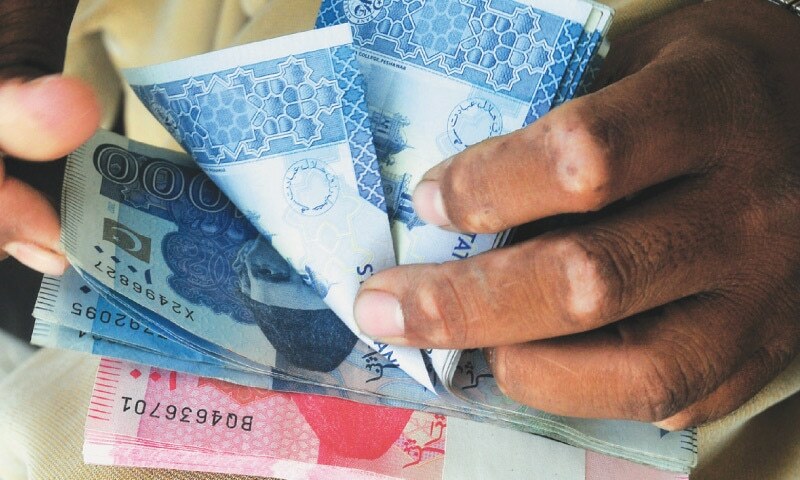
Karachi, Pakistan - As the private sector enters 100 days of fiscal year 2026 (FY27), it has opted to repay bank debt rather than seek new financing, reflecting a lack of investment that could impede economic growth. The State Bank of Pakistan (SBP) reported on Monday that businesses are showing reluctance to borrow, a critical source of investment and expansion for the economy.
The data reveals that the private sector has been repaying loans, mirroring the situation from the previous fiscal year, FY26. In FY26, the economy expanded by 3.7 percent, a growth rate deemed inadequate to create sufficient employment, diminish poverty, and increase revenue. During the initial 100 days of FY27, from July 1 to October 9, the private sector extinguished a net Rs91.8 billion in debt, compared to Rs31.7 billion during the same period in FY26.
The only segment of the private sector that extended net lending to the economy during this period was Islamic banking branches of conventional banks, which provided Rs138.6 billion in loans, compared to Rs63.4 billion in the same period last year. Nevertheless, Islamic banks also discharged a net debt of Rs107.8 billion, as opposed to Rs38 billion during the comparable period in FY26.
This development raises questions about the sector's dependence on government Sukuk for investment and returns. Conventional banks, too, demonstrated a weaker performance, retiring a net debt of Rs122.6 billion by October 9, compared to Rs57 billion during the same period last year. Despite the weak investment outlook, the previous fiscal year witnessed an increase in private-sector borrowing, with businesses taking on Rs1.46 trillion in loans throughout FY26.
For the past three years, the government has struggled to boost economic growth beyond 3.5 to 3.7 percent. However, ongoing domestic economic uncertainty and an unfavorable regional and international environment continue to cast a shadow over the outlook. Regional strife has driven up oil prices, exacerbating the pressure on an import-dependent economy such as Pakistan's.
The conflict has also heightened concerns about the jobs of millions of Pakistanis working in Gulf countries, who remitted $41.5 billion during FY26. Pakistan aims to attract $44 billion in remittances for FY27. Heightened tensions involving Saudi Arabia, Yemen, and Iran, coupled with the threat of further military action by the US against Iran, have further fueled uncertainty regarding the regional economic outlook.
Amir Aziz, a manufacturer and exporter of textile made-ups, expressed concern, stating, "How can a domestic investor take the risk of expanding operations when consumers' purchasing power has declined, export markets are contracting due to turmoil in the Gulf, and inflation is on the rise in the United States and Europe?"
Written by urgent.news from Dawn Business's reporting — not their text. Machine-written — may contain errors; check the original before relying on it.