World Bank President warns 1.2bn young people will compete for 400m jobs in next 15 years
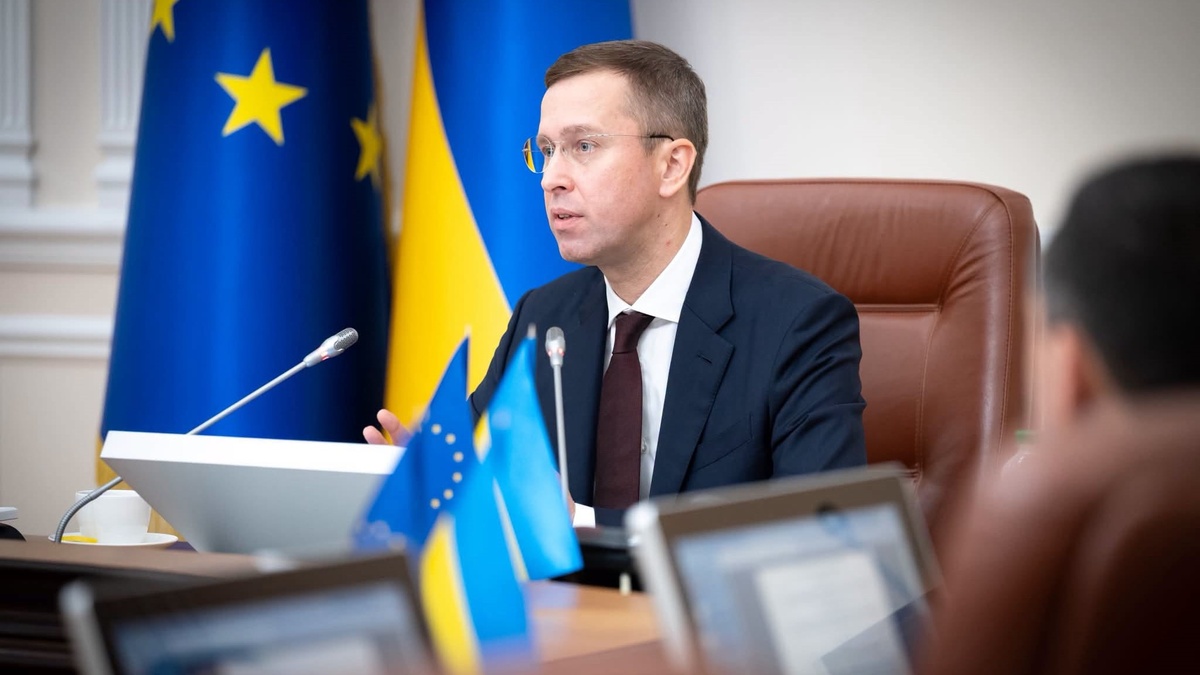
Making remarks at the 2026 World Bank/International Monetary Fund Annual Meetings Plenary in Bangkok, Thailand, he said this generation will shape the next century. Therefore, “the choices we make today will help determine how”.

Over the next 10 to 15 years, 1.2 billion young people will enter a job market that is expected to provide only around 400 million positions, according to World Bank President Ajay Banga. Speaking at the 2026 World Bank/International Monetary Fund Annual Meetings in Bangkok, Thailand, Banga stated that this generation will play a crucial role in shaping the next century. He emphasized that the decisions made today will significantly impact the future.
Banga highlighted that the World Bank aims to address two primary challenges: making limited resources stretch further and facilitating the creation of jobs on a large scale. These challenges require simultaneous attention. Over the past three years, the World Bank has utilized the Annual Meetings to outline its initiatives, transformations, and ambitious plans.
This year, the focus is on progress and its implications. Banga stressed that the future of development hinges on the collaboration of public finance, private investment, philanthropy, and technology, tailored to each country's needs.
The World Bank has undertaken several reforms, including reducing project preparation time from 19 months to nine months. They have also replaced 153 scorecard measures with 22 focused on impact, increased pay-for-results financing from a third to half, and coordinated public and private sector teams around country-led strategies.
Moreover, the bank has augmented its balance sheet, adding over $100 billion in additional IBRD lending capacity within a decade. The World Bank's digital co-financing platform has seen a tripling of project numbers over two years, now totaling about 250 projects aiming for $138 billion in financing. Duplication is being minimized through the sharing of efforts with the Asian Development Bank, Inter-American Development Bank, and EBRD, with plans to expand this model.
The Jobs Council, comprising insights from various countries and sectors, has identified policies and programs to generate more and better employment opportunities. This strategy is built on three pillars: physical and human infrastructure, regulatory and policy certainty, and scale. Physical and human infrastructure includes essential elements like electricity, water, transport, digital connectivity, health, education, and skills.
The World Bank has committed $40 billion—almost a third of its financing—towards these foundational elements. Regulatory and policy certainty ensures a stable environment for development, while scale is essential for attracting private capital into development endeavors. In 2022, prior to the work plan's commencement, the World Bank mobilized approximately $35 billion in private capital, which surged to $112 billion in the following year—a threefold increase. Combining its own financing with total financing, the total exceeds $230 billion.
Written by urgent.news from MyJoyOnline Ghana's reporting — not their text. Machine-written — may contain errors; check the original before relying on it.