What it will take to make JKN financially sustainable
Bailouts and premium hikes buy time. Only evidence-based decisions, standardized care and smarter purchasing can keep national health insurance solvent.
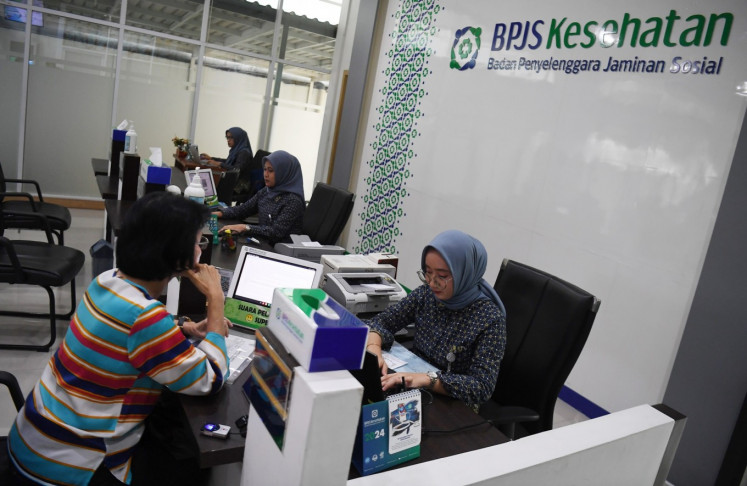
To ensure the financial sustainability of the National Health Insurance (JKN) in Indonesia, it is essential to shift the focus from merely increasing premiums to adopting evidence-based decisions, standardized care, and smarter purchasing practices. Despite the government's temporary financial support, such as the Rp 20 trillion (US$1.1 billion) allocation in the 2026 state budget, the underlying reasons for the persistent deficit remain unresolved.
In 2024, BPJS Kesehatan, the national health insurer, experienced an audited deficit of approximately Rp 10.93 trillion and an unaudited shortfall of Rp 14.49 trillion. The claims ratio surged to 111.8 percent by February 2026, with premium income at Rp 165.3 trillion against program spending of Rp 175.1 trillion. Premiums have remained unchanged since 2020, a fact that exacerbates the issue given the escalating healthcare costs.
The conversation surrounding JKN's financial health should pivot towards evaluating how effectively premiums are spent. Every pharmaceutical product or medical device added to the National Formulary or e-catalogue represents a recurring commitment of public funds. Implementing Health Technology Assessment (HTA) can help policymakers assess these commitments with rigorous scientific and economic evidence.
By determining the additional clinical benefit provided by an intervention and its cost to the fund, HTA ensures that approvals and rejections are based on transparent, defensible evidence rather than lobbying or short-term fiscal convenience.
This approach extends beyond innovation; it is about ensuring that every decision remains anchored in health economics, which are inherently more sound, objective, and defensible to all stakeholders. For instance, when considering the treatment of ischemic stroke, the leading cause of mortality from noncommunicable diseases in Indonesia, the use of alteplase—a thrombolytic agent effective only within a narrow time frame—highlights the importance of HTA.
Administering alteplase in time significantly reduces both mortality and long-term morbidity, translating to substantial downstream cost savings in rehabilitation, long-term care, repeat hospitalizations, and lost productivity.
In essence, a sustainable JKN hinges on making informed, defensible decisions that balance upfront costs against downstream health benefits and net savings. This strategic shift in decision-making processes can pave the way for a financially stable healthcare system that delivers value to clinicians, patients, and taxpayers alike.
Written by urgent.news from The Jakarta Post's reporting — not their text. Machine-written — may contain errors; check the original before relying on it.