What Earth's sixth mass extinction event means for humans
Human activity is driving plants and animals to extinction at an unprecedented rate. As countries meet in Armenia to discuss ways to reverse nature loss, DW reveals how declining biodiversity is already harming people.
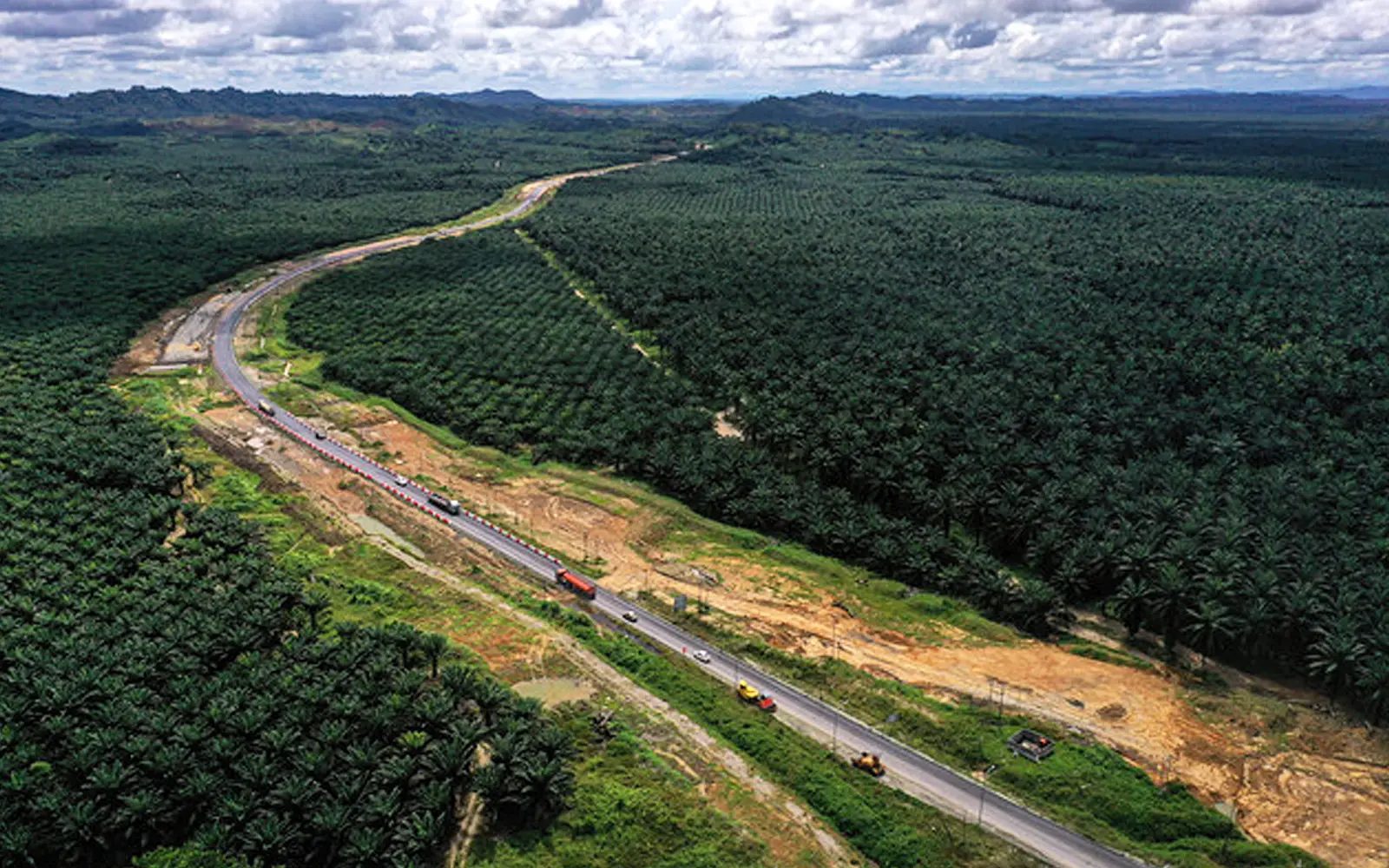
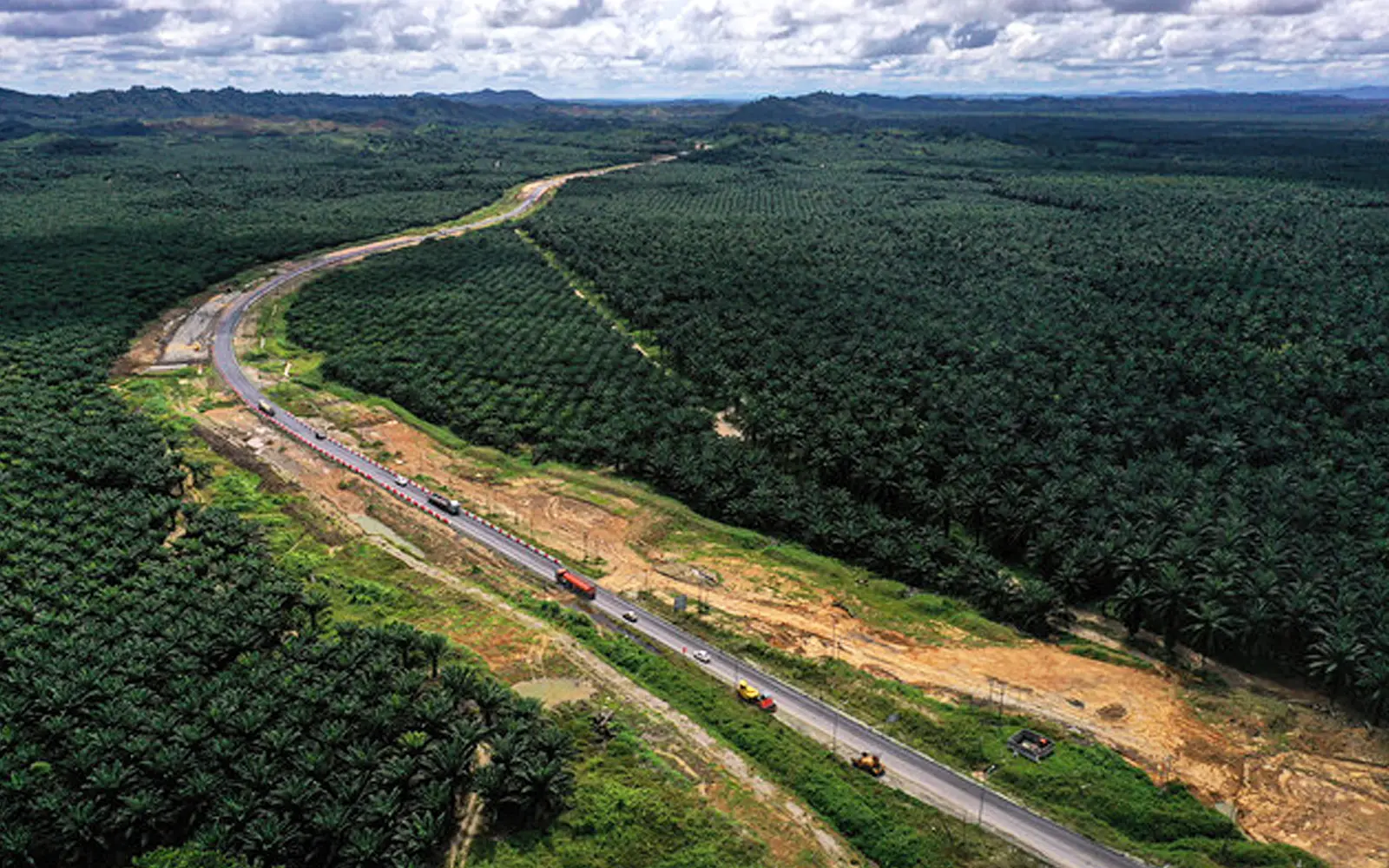
The Earth is currently undergoing its sixth mass extinction event, one driven largely by human activity. Every living organism, from microscopic microbes to giant whales, plays a vital role in the planet's ecosystem. These species collectively maintain essential services, such as weather regulation, soil health, water purification, and food production.
These ecosystem services are crucial for human wellbeing, yet they are being rapidly undermined by human actions, including intensive farming, fossil fuel combustion, and pollution.
Over the past five decades, monitored vertebrate populations have plummeted by an average of 73%, with freshwater ecosystems experiencing an even steeper decline of 85%. This is a critical warning sign, indicating that the very foundation of life that humans depend on is unraveling. At the COP17 UN biodiversity summit in Yerevan, Armenia, thousands of stakeholders are meeting to address this urgent issue.
However, progress towards reversing nature loss by 2030 remains insufficient, with funding and implementation challenges persisting.
Wetlands, for instance, have seen a staggering 85% loss since 1700. These ecosystems provide invaluable water filtration services worth C$4.2 billion (€2.63 billion) annually in Southern Ontario alone, maintaining drinking water purity by removing nutrients. As wetlands disappear, water quality deteriorates, leading to increased water treatment costs.
Similarly, pollinators like bees and bats, crucial for the growth of over 75% of global food crop types, are in sharp decline. Soil and ecosystem degradation, coupled with climate-related disasters, are already damaging harvests, posing a grave threat to global food supply and geopolitical stability.
Moreover, biodiversity loss threatens modern human medicine, as 50% of modern drugs originate from natural compounds. Penicillin, the first antibiotic, is derived from mold, having saved over 500 million lives. Similarly, 70% of cancer drugs stem from natural products or compounds inspired by nature. As biodiversity diminishes, humanity risks losing access to undiscovered treatments.
Some species, known as "keystone species," play disproportionately large roles in their ecosystems and their loss can trigger significant ecological consequences. The oyster, for example, plays a vital role in water filtration and coastal protection. Without oysters, water filtration and habitat for other species would disappear, along with coastal defense against storm surges.
Written by urgent.news from DW News's reporting — not their text. Machine-written — may contain errors; check the original before relying on it.
This story
This is one outlet's version. Read the fullest account.