What Earth's sixth mass extinction event means for humans
Human activity is driving plants and animals to extinction at an unprecedented rate. As countries meet in Armenia to discuss ways to reverse nature loss, DW reveals how declining biodiversity is already harming people.
Biodiversity encompasses all life on Earth, from microscopic organisms to the largest mammals. Like a well-functioning team, each species plays a crucial role, contributing to essential ecosystem services such as weather regulation, soil health, water purification, and food production. These services are vital for human wellbeing, yet their importance often goes unnoticed until they decline.
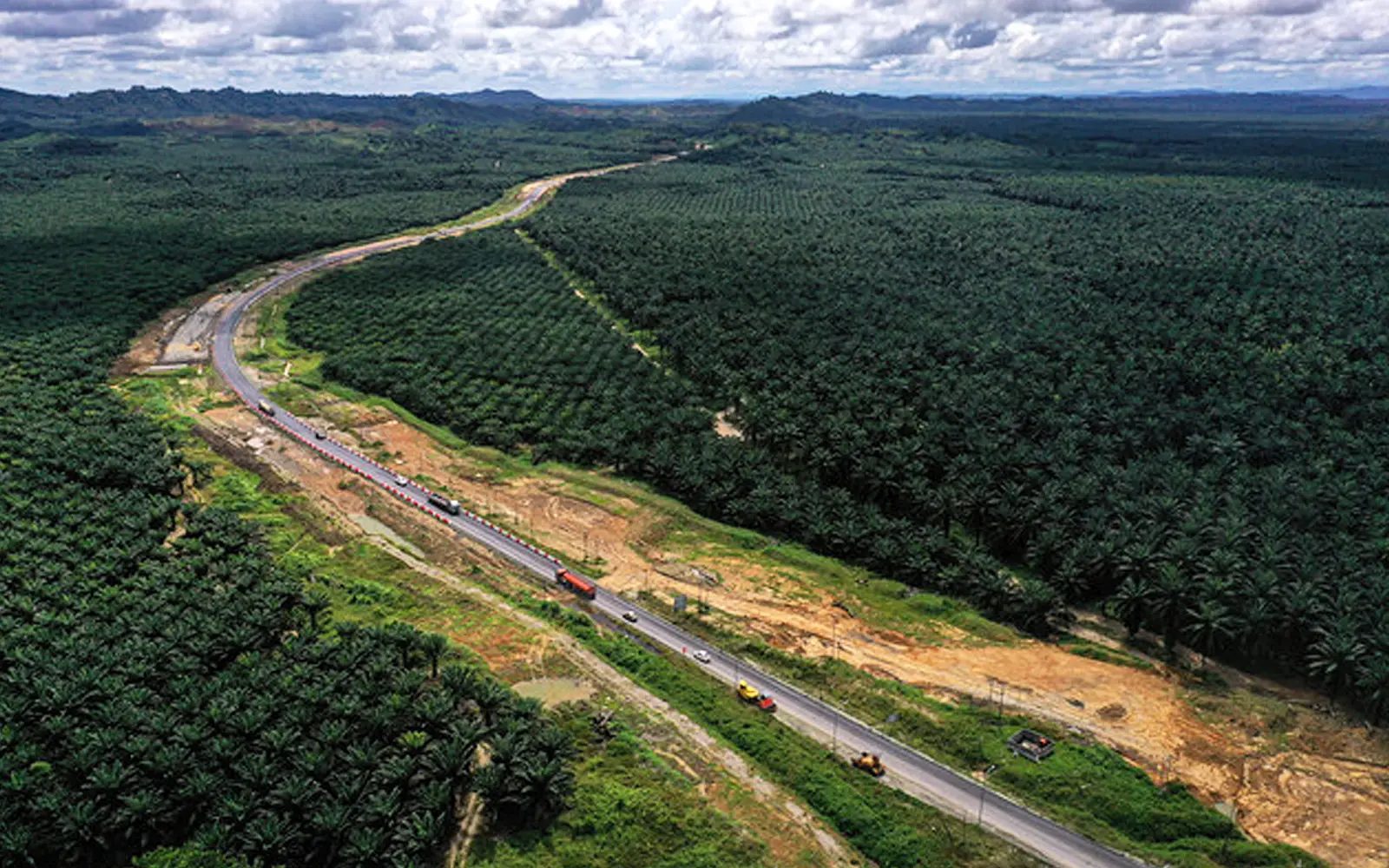
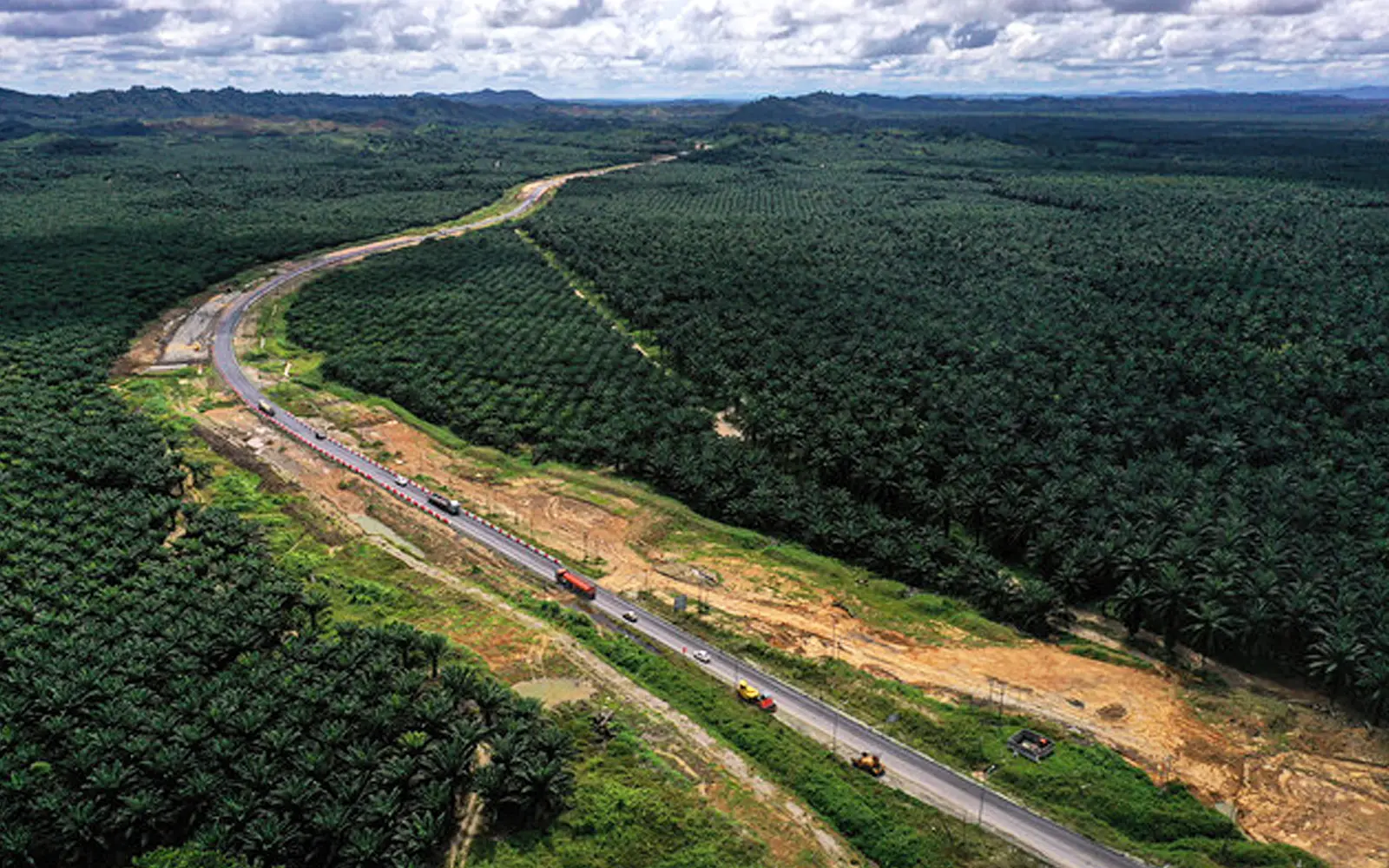
Unfortunately, biodiversity is in rapid decline due to human activities like intensive farming, fossil fuel burning, and pollution. In the past half-century, monitored vertebrate populations have plummeted by an average of 73%, with freshwater ecosystems experiencing a more severe 85% decrease. This trend is supported by numerous studies indicating that a million species of plants and animals face extinction unless humanity reduces its impact on nature.
The profound decline in biodiversity raises significant concerns for human survival. Rebecca Shaw, chief scientist at conservation group WWF, emphasizes that nature is in trouble and serves as an early warning signal of the delicate balance of life we depend on for freshwater, food, and clean air. The upcoming UN biodiversity summit in Yerevan, Armenia, aims to address these challenges, but progress remains insufficient due to funding and implementation issues.
Wetlands, for example, have seen an 85% loss since 1700, with Southern Ontario's marshes and swamps providing $4.2 billion (€2.63 billion) in annual water filtration services. The decline of pollinators like bees and bats, which support 75% of global food crop types, highlights the urgent need to protect these vital species. Additionally, soil and ecosystem degradation, exacerbated by climate change, are damaging harvests worldwide, threatening global food security and geopolitical stability.
Biodiversity also plays a crucial role in medicine, with around 50% of modern human medicines derived from natural compounds. Penicillin, the first antibiotic, is produced by a mold and has saved over 500 million lives. Over 70% of cancer drugs are derived from natural products or inspired by nature. The loss of biodiversity threatens access to undiscovered treatments.
Keystone species, such as oysters, have a disproportionate impact on their ecosystems. Wild oyster populations are declining rapidly, with 85% of their reefs lost worldwide. Oysters filter up to 50 gallons of water daily, providing water filtration, habitat for other species, and coastal protection against storm surges. Losing a single species can have cascading effects, as oyster decline may lead to decreased water quality and increased susceptibility to diseases like Lyme.
Despite these alarming trends, Shaw and McRae remain optimistic that conservation efforts can reverse the decline. They cite successful examples such as the recovery of green sea turtles and sea otters, which illustrate the potential for positive change when concerted global action is taken.
Written by urgent.news from DW English (Top Stories)'s reporting — not their text. Machine-written — may contain errors; check the original before relying on it.