Tinder’s new CEO asked employees a simple question about success. Their answers exposed a bigger problem
Tinder's new CEO is overhauling how employees measure success and using AI to improve the dating experience.
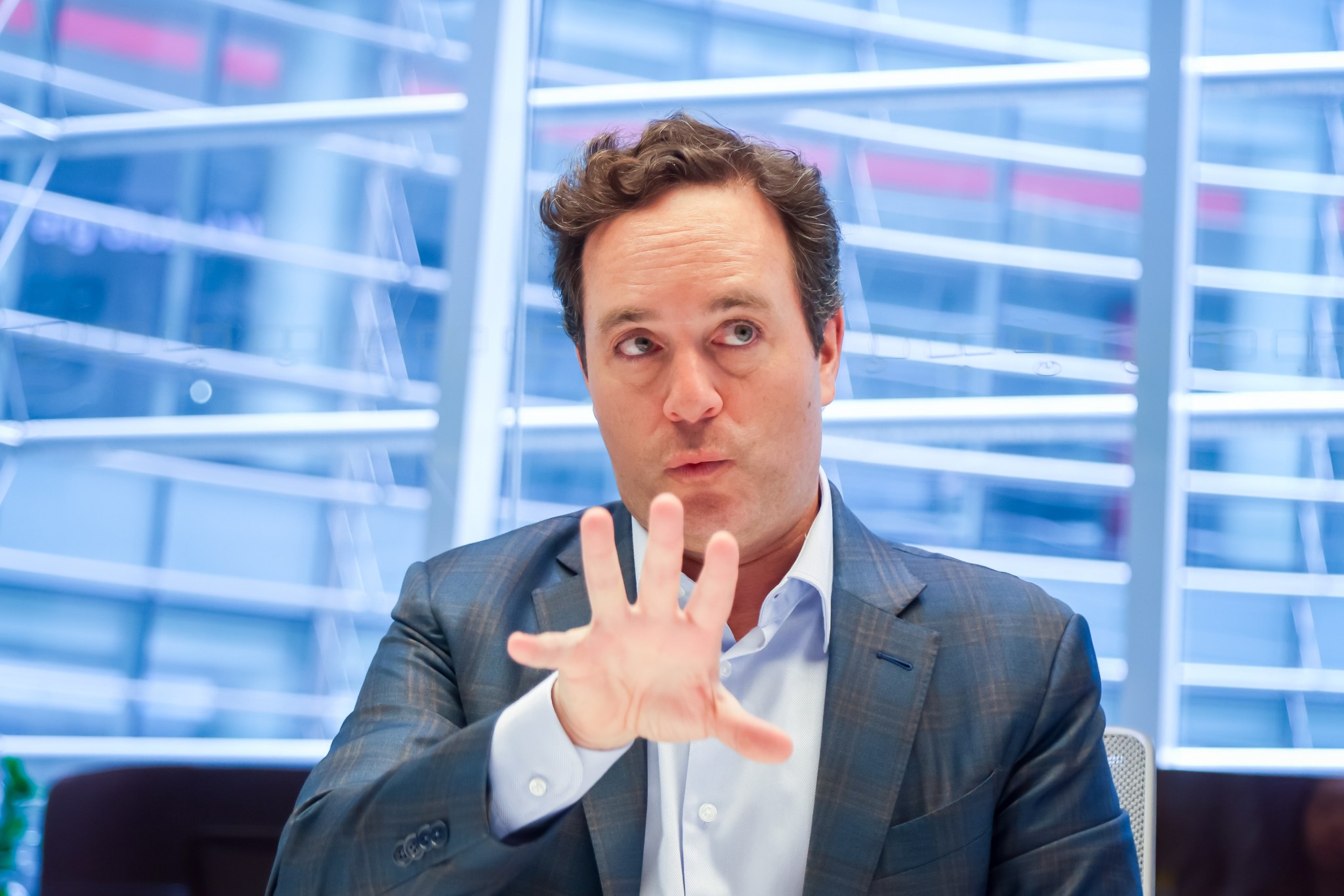
When Spencer Rascoff became CEO of Match Group and Tinder in 2025, he inherited a dating app empire that had thrived on its original swipe-left, swipe-right concept. However, Tinder's paying user base had dropped 7% in 2024, and revenue only increased by 1%, indicating that the app had lost its product-market fit. Rascoff, who previously led Zillow, aimed to reignite Tinder's culture of innovation.
His first step was to ask employees a simple question: how they defined success. Many responded with quarterly profitability targets for Wall Street, rather than focusing on enhancing the dating experience. This mismatch between employee priorities and the company's mission exposed a fundamental management issue. To address this, Rascoff introduced a metric called "sparks," which tracks conversations between matched users that exchange messages six or more times.
Tinder's data showed that conversations reaching the spark threshold were more likely to evolve into romantic interactions and in-person meetups. By concentrating on sparks, Rascoff provided teams with a clear way to measure their impact, from refining matchmaking algorithms to facilitating better initial conversations. He also categorized Tinder users into two archetypes: Abby, the anxious romantic, and Jasmine, the joyful butterfly, to better understand their needs.
These changes have led Tinder to explore new features like double dates for less intimidating introductions, real-world events for users to connect outside the app, and AI-driven recommendations that learn from user preferences faster. AI has also accelerated the development of these features, with the company deploying 70% more code than a year ago.
The results have been promising, with matches up 14% year-over-year and more users reaching the spark threshold. However, Tinder has yet to translate this progress into overall business growth. In Q2, revenue fell by 1% to around $457 million, paying users dropped 5% to 8.5 million, and daily active users declined 4%. Rascoff's current challenge is to transform a profitable but stagnant business into one capable of growth.
Written by urgent.news from Fortune's reporting — not their text. Machine-written — may contain errors; check the original before relying on it.