The UK’s power grid failures have come home to roost
For a demonstration of just how badly Britain is blighted by bottlenecks, the loss of a flagship Microsoft data centre deal is Exhibit A. Just north of London is a piece of waste ground covered with broken concrete. The site, at Loughton in Essex, had been designated as the UK’s flagship entry point into the global data-centre race. Instead, last week it was at the forefront of the markets’…
The UK is facing severe power grid failures that have jeopardized a major Microsoft data center project, according to recent reports. The site, located near London in Loughton, Essex, was intended to become the country's flagship data center, but the loss of this investment serves as a stark warning of the nation's regulatory and leadership shortcomings.
Microsoft's commitment of $30 billion, including $2 billion for the Loughton site, was initially met with enthusiasm. However, the construction of the data center has been stalled due to the UK's underdeveloped electric grid infrastructure, which is currently the most expensive in the world. This has led to the facility not having a connection date until the 2030s, as Nscale, the responsible party, admitted to the setback.
The UK's power grid issues are not isolated to this one data center project. The country's overall energy infrastructure is struggling, with large-scale industrial operations, such as petrochemical plants, shutting down, leading to a decline in the nation's industrial capacity. The Prime Minister's government aims to re-industrialize the UK, but the current state of the electric grid hinders this progress.
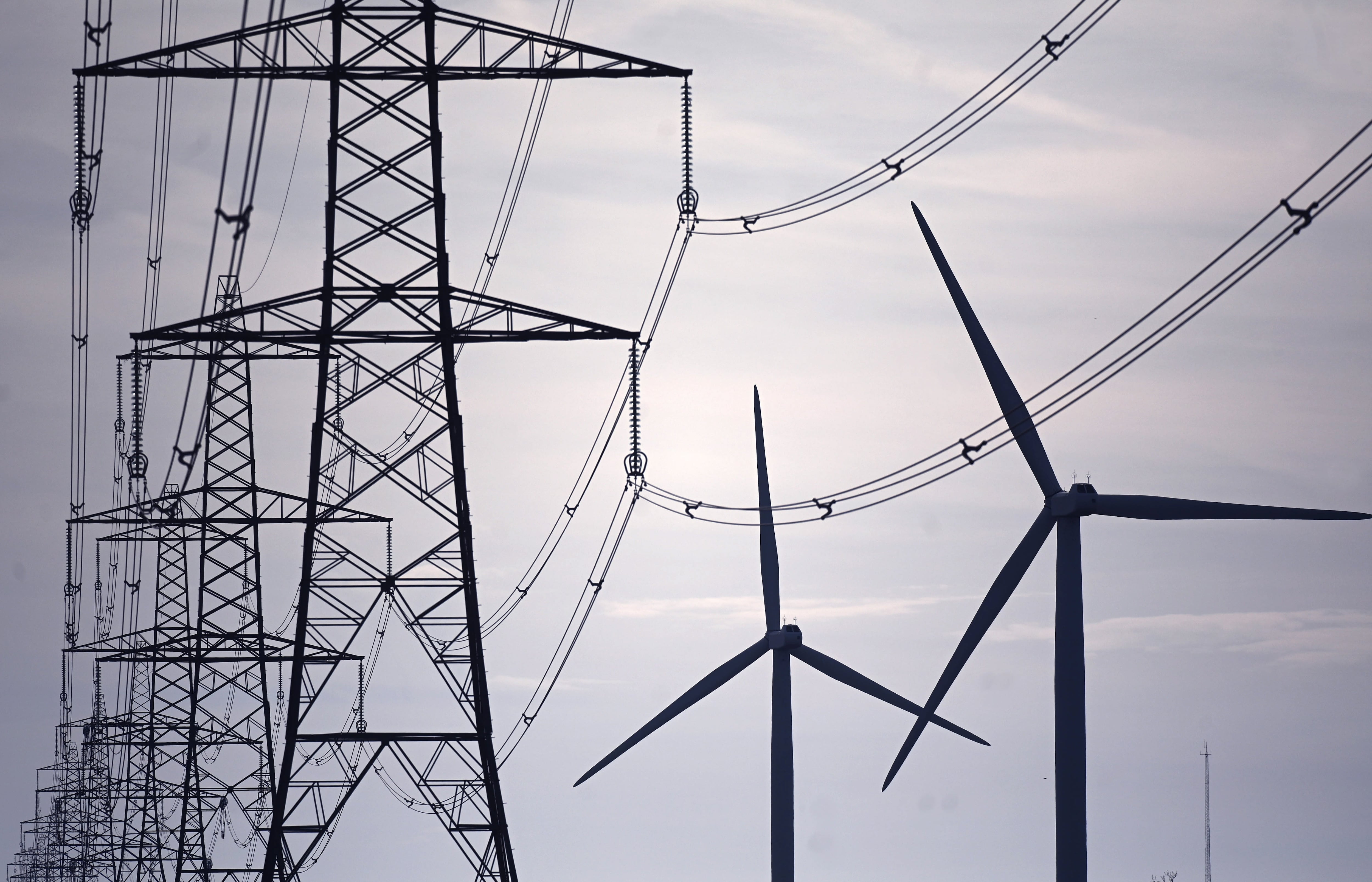
The National Grid has failed to match the capacity of offshore wind turbines, leading to a shortfall in energy transmission, forcing the country to make payments for emergency supplies from foreign nations. In September alone, the UK spent £500 million on "balancing payments" to keep its electric network functioning, despite having an abundance of wind power in neighboring European countries.
Furthermore, the UK's underground gas storage levels were at their lowest in recent years, raising concerns about the nation's ability to meet its energy demands.
As the digital economy continues to grow, the UK's power grid failures pose a significant challenge to its economic future. The National Energy System Operator states that electricity should represent 70% of the UK's power mix by 2050, but currently, it only accounts for under 20%. The country is falling behind in its energy transition, with the same percentage of electric power in 2000.
This failure to prioritize electricity infrastructure development is hindering the UK's ability to meet the demands of the data boom and other future investments.
Written by urgent.news from The National Business's reporting — not their text. Machine-written — may contain errors; check the original before relying on it.
Also reported by 1 other outlet
- The UK’s power grid failures have come home to roost thenationalnews.com