Scientists call for stronger action against health misinformation
Scientists have called for stronger public education, community engagement and science journalism to combat health misinformation and strengthen public trust in scientific research. The post Scientists call for stronger action against health misinformation appeared first on Ghana Business News .
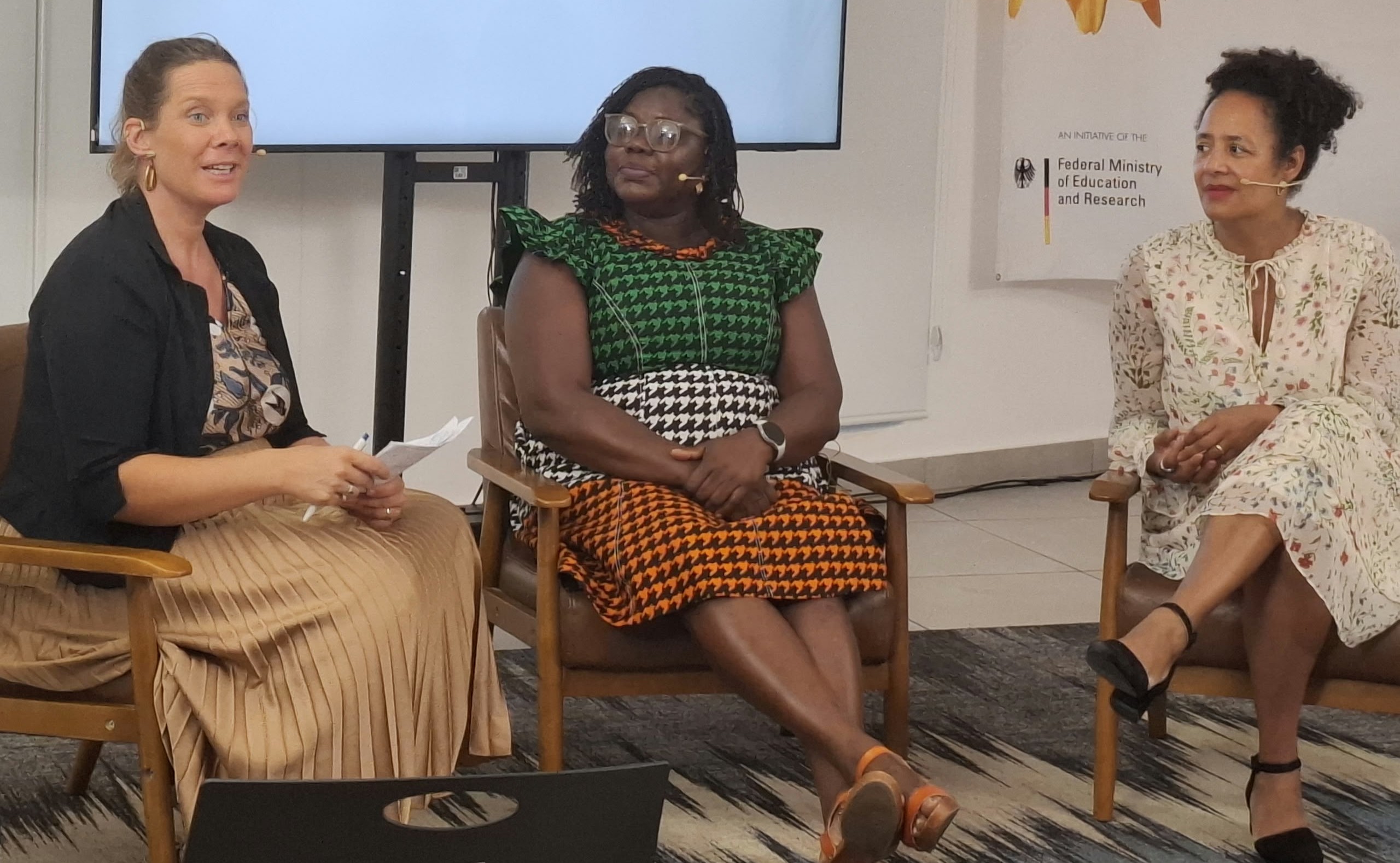
Scientists are urging for more robust education, community involvement, and journalism to combat health misinformation and bolster confidence in scientific research. This call was made at a lecture organized by the German Academic Exchange Service (DAAD) Office in Ghana, focusing on the theme "Fact or Fiction? Health, Science and Misinformation in a Digital World."
Professor Maren Addo, Director of the Institute of Infection Research and Vaccine Development at the University Medical Center Hamburg-Eppendorf, Germany, emphasized that misinformation on social media and assaults on researchers are eroding trust in science. She noted that social media algorithms frequently promote sensational content meant to draw attention, while artificial intelligence accelerates the creation and spread of false information.
Prof. Addo stressed the need for scientists to convey research findings transparently, acknowledge uncertainties, and recognize that scientific knowledge is always evolving. She also advocated for stronger ties between scientists and communities, collaboration with local voices, and early science literacy programs. Prof. Lydia Mosi, an Associate Professor of Cell and Molecular Biology at the University of Ghana, pointed out that health misinformation can sway treatment decisions, weaken vaccination campaigns, and exacerbate disease-related stigmas.
She cited misconceptions such as all fevers being caused by malaria, using antibiotics for common colds, and linking tuberculosis to witchcraft. Prof. Mosi stressed that research institutions should engage with communities, comprehend local beliefs, and involve the public in research and information dissemination. She highlighted studies by the University of Ghana that identified dengue infections among fever patients, detected drug-resistant tuberculosis, and examined genetic causes of hearing impairment.
These findings helped debunk misconceptions about diseases and enhance public understanding. Prof. Mosi also highlighted community-driven initiatives, including a docu-drama in over 50 Ghanaian languages that explained the genetic basis of deafness and tackled associated stigma. Lena Leumer, Director of the DAAD Office in Ghana, stated that the lecture aimed to foster dialogue on the origins of health misinformation and potential responses from governments, scientists, and the public.
She mentioned that this event was the inaugural of its kind organized by the DAAD in Ghana and similar initiatives could be organized in the future. The DAAD supports international academic exchange through scholarships, research funding, university partnerships, and programs that foster higher education and scientific collaboration.
Written by urgent.news from Ghana Business News's reporting — not their text. Machine-written — may contain errors; check the original before relying on it.