Protests in Europe: Understanding public concerns without deepening divisions — Nurul Fardini Zakaria
OCTOBER 19 — Recent protests in several European countries have drawn attention to the economic and social concern...
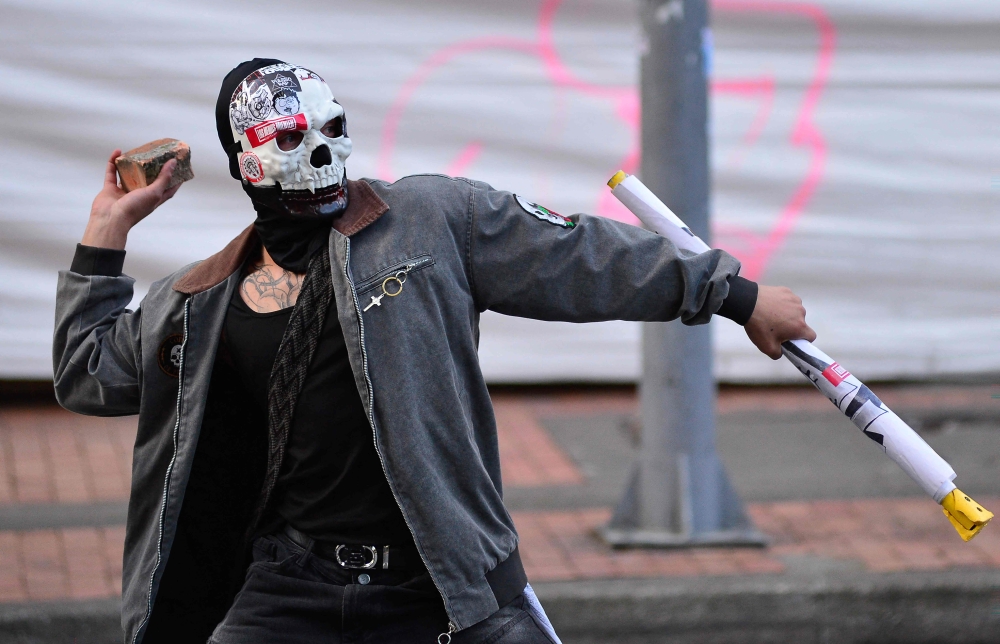
On October 19, protests in France, Belgium, Italy and Portugal captured attention due to the economic and social issues affecting people's daily lives. Demonstrations on October 17 displayed a range of grievances, from higher living costs and housing to education and public services. While some protests remained peaceful, others turned violent with looting and property damage.
Such developments demand careful analysis, without assuming identical causes or representing the entire population's views. In France, widespread protests were driven by concerns about living costs and public services, intertwined with student grievances over school conditions and education funding. In Belgium, student groups highlighted education costs and reforms impacting access to higher education.
Portuguese demonstrations focused on housing affordability, wages and rising living costs, while Italian protests reflected economic pressures, with some confrontations occurring. These events, though occurring concurrently, displayed unique circumstances and demands. To fully grasp these situations, it's crucial to examine the underlying concerns, the context in which they're expressed, and their implications for communities.
From a consumer behavior standpoint, economic pressure goes beyond fluctuations in prices or income. It impacts individuals' perception of financial security, their prioritization of essential spending, and long-term plans. When a significant portion of household income goes towards necessities like food, housing, transportation, and education, families have less capacity for saving, managing unexpected expenses, or spending on other needs.
This can shape purchasing decisions, consumption patterns, and overall well-being. Housing affordability underscores this issue. When rents and property prices outpace incomes, households may need to reconsider where they live, reduce spending on other necessities, and maintain financial stability. Young adults may also face challenges in employment, further education, and independent living due to housing costs.
However, economic pressure is not a direct or universal explanation for public unrest. People react to difficult circumstances differently, influenced by social conditions, personal experiences, confidence in public institutions, and avenues for expressing their concerns. Understanding the relationship between economic conditions and public demonstrations necessitates evidence, context, and careful interpretation.
Education stands as another vital aspect of public welfare. For younger generations, education represents more than just gaining qualifications; it's about securing employment, enhancing living standards, and achieving independence. Concerns about education funding, school conditions, and the affordability of higher education go beyond the classroom.
They encompass broader questions about equal opportunity and the belief that individuals can achieve a secure future through education and employment. However, assuming all young people share the same concerns or that student demonstrations reflect every member's views is inaccurate. Public opinion is diverse, and the demands raised by specific groups must be understood within their unique circumstances.
Acknowledging these concerns doesn't require agreement with every demand; it offers insight into how individuals perceive their prospects and what they deem necessary for improvement. Distinguishing peaceful protest from violence is crucial. Demonstrations serve as a means for people to communicate their concerns and draw attention to issues they deem important.
Yet, peaceful expression must be separated from violent acts such as looting, arson, and property damage. These actions can impose costs on those not directly involved in disputes, affecting small businesses, employees, and residents. Damage to property also diverts resources towards repairs and recovery. Therefore, discussions must acknowledge both the concerns of demonstrators and the consequences of violence.
Mistaking every participant for responsible for the actions of a smaller group can overlook the diversity of views within a protest. Recognizing public grievances doesn't justify actions that endanger safety or damage property. A balanced understanding requires attention to specific events, the conduct of those involved, and the responses of authorities, allowing legitimate concerns to be examined without excusing harmful behavior or making sweeping generalizations about entire communities.
Written by urgent.news from Malay Mail's reporting — not their text. Machine-written — may contain errors; check the original before relying on it.