New Jersey picks Rutgers to lead social media research center
This story was originally published by the New Jersey Monitor. Did you know search engines like Google are changing the way you see news? Keep Chalkbeat’s valuable education coverage at the top of your feeds by clicking here and checking the box next to our name. New Jersey officials have tapped Rutgers University to lead a new publicly funded social media research center dedicated to protecting…
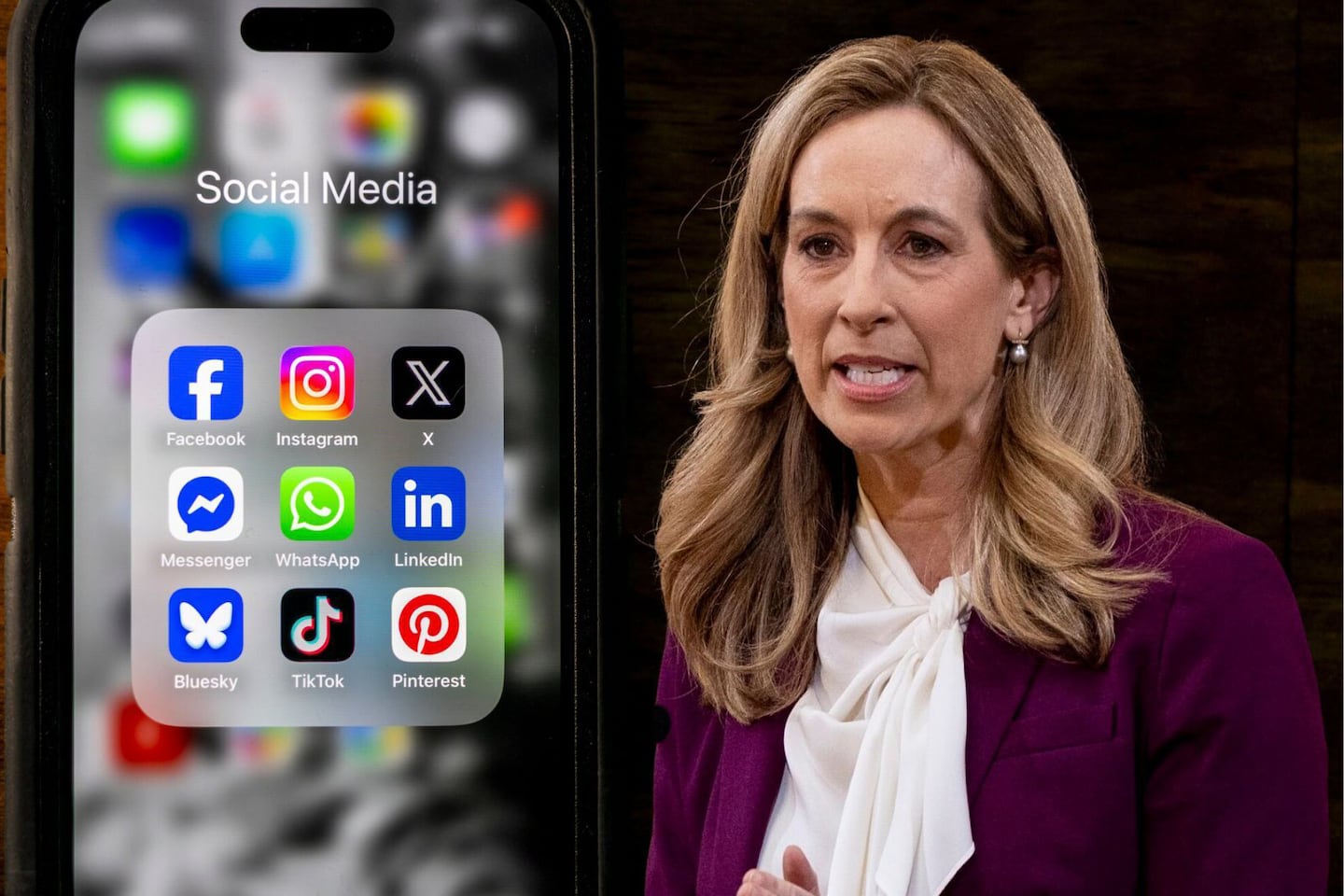
New Jersey officials have selected Rutgers University to lead a new publicly funded social media research center aimed at protecting children from the risks associated with social media platforms, such as addiction and mental health issues. Governor Mikie Sherrill announced on Monday that Rutgers was chosen through a competitive grant process, which will provide the university with $500,000 to study the impact of social media on New Jersey teens, identify measures to mitigate the damage, and promote responsible use of social media apps.
The findings will be released on a rolling basis, with more detailed recommendations expected within a year.
Sherrill emphasized the importance of generating insights that are trustworthy and accessible to everyone in the state, rather than relying on press releases or biased information. The studies show that nearly half of teens and 55% of parents believe social media is harmful to youth mental health.
Rutgers was chosen for the project due to its detailed and clearly defined proposal. The research team, consisting of associate psychology professor Jessica Hamilton, communication professor Jeffrey Lane, and social work professor Vivien Wen Li Anthony, will begin work with over two dozen teams of high school students from 10 counties. The teams are currently gathering data on students' social media use, its impact on mental health, and the factors that make the experience worse.
The center's work is funded through New Jersey's $60.7 billion budget for the current year, with additional funds anticipated from a legal settlement of at least $575 million between a group of states and Meta, the company that owns Facebook and Instagram. Meta agreed to new limits on daily platform use for teens as part of the settlement, though it did not admit to intentionally designing addictive systems.
Written by urgent.news from Chalkbeat's reporting — not their text. Machine-written — may contain errors; check the original before relying on it.