Midterm Ad Spending Has Surpassed $10B. Where Is the Money Coming From?
Super PACs and billionaires are fueling record political ad spending in 2026, with competitive Senate races drawing hundreds of millions of dollars.
Political advertising spending for the midterms has reached a record $10 billion, projected to surpass $11.6 billion by Election Day, according to Ad Impact. This surpasses the previous high of $8.9 billion in 2022 and the $11.2 billion spent during the 2024 presidential cycle. The spending does not include other campaign expenses like staffing, travel, and voter outreach, but it does track one influential tool: television ads.
Research shows that a Senate candidate with a $2 million TV advertising edge could gain around 10,000 votes, potentially changing a tight race. Spending alone, however, doesn't guarantee victory, as experts note. Both parties have deep pockets this cycle, with Republicans significantly outspending Democrats in Senate races. Republicans spent $233 million to $121 million on broadcast TV ads in nine tight races, while Democrats' $947 million and $625 million in the same category are still growing.
Most funding comes from a few wealthy donors donating to super PACs. In the Texas race, for example, $500 million has been spent, making it the second non-presidential race to break the $500 million threshold. Elon Musk, the biggest individual donor to federal elections this cycle, gave $369 million to Republicans and $10 million to a Texas PAC supporting Republican James Talarico.
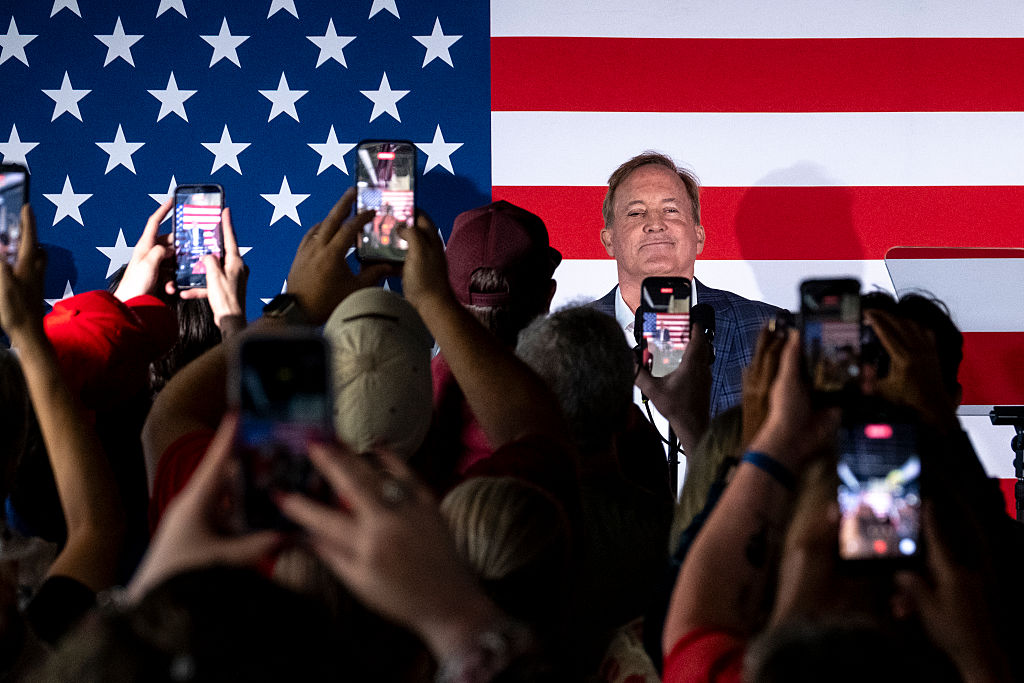
Talarico has outraised Republican Ken Paxton by roughly $50 million in donations, but Paxton has the advantage in TV ads. Ohio, another swing state, has seen over $460 million in ad spending, with $270 million backing Republican Jon Husted and $180 million for Democrat Sherrod Brown. Republicans outspent Democrats in aired election ads in Ohio by $41 million, making it the second-largest GOP advantage in battleground states.
Written by urgent.news from Time's reporting — not their text. Machine-written — may contain errors; check the original before relying on it.