Liberalised tariff — a nightmare for manufacturers
Last year, Pakistan embarked on a radical economic experiment with the approval of the National Tariff Policy 2025-30, and the manufacturing sector became the guinea pig. The policy seems heavily influenced by the World Bank’s 2022 Country Economic Memorandum on Pakistan: From Swimming in Sand to High and Sustainable Growth. The report introduced the concept of “anti-export bias” and termed it…
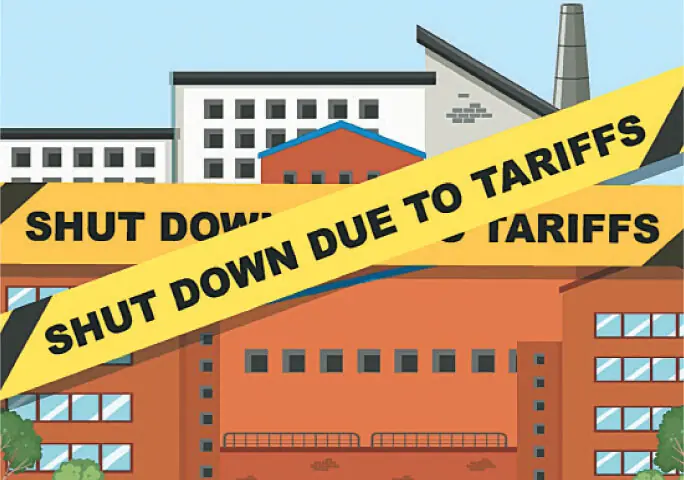
Pakistan has recently implemented the National Tariff Policy 2025-30, which has sparked concerns among manufacturers. The policy has been heavily influenced by the World Bank's 2022 Country Economic Memorandum, which introduced the concept of "anti-export bias" as a key factor behind Pakistan's low export-to-GDP ratio. The policy argues that high tariff cascading makes it more profitable for firms to focus on high-margin domestic markets rather than low-margin exports.
It also highlights issues such as "elite capture," "influential groups," and "protection-driven profitability." However, the report's argument that liberalized tariffs would force domestic companies to compete globally is flawed. This is because the cost of producing goods in Pakistan is already significantly higher than in other countries due to expenses like utilities, finance, and taxation.
Additionally, intense competition among domestic manufacturers prevents profiteering and keeps prices reasonable. Furthermore, foreign buyers are hesitant to enter Pakistan due to security concerns, the need for special transport arrangements, and high travel insurance premiums. The primary reason for low exports is not protectionism but rather the high cost of doing business.
Despite its large population and geopolitical advantages, Pakistan struggles with low exports and foreign direct investment (FDI) in manufacturing. This is mainly due to a lack of strategic Free Trade Agreements with high-potential markets, a genuine cost disadvantage in production, and a lack of support from the government in the form of rebates or Drawback of Local Taxes and Levies (DLTL) incentives.
The policy aims to reduce tariffs to 9.7% and weighted average tariffs to under 6% by 2030, but this approach overlooks the fact that the real issue plaguing the manufacturing sector is the baseline cost of doing business. Instead of focusing on lowering tariffs, Pakistan should prioritize fixing these structural cost issues first before attempting to compete on a global scale.
Written by urgent.news from Dawn Business's reporting — not their text. Machine-written — may contain errors; check the original before relying on it.