Indonesia gets ’wake-up call’ as MSCI prepares to expel it from global indexes
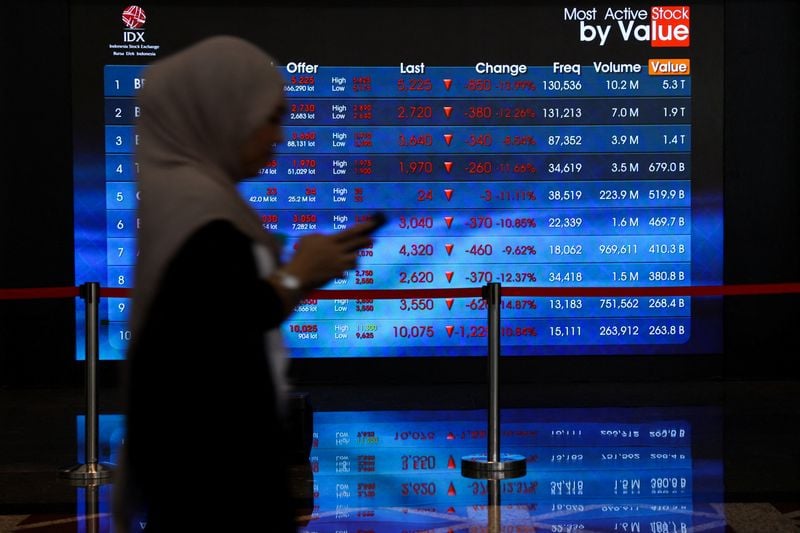
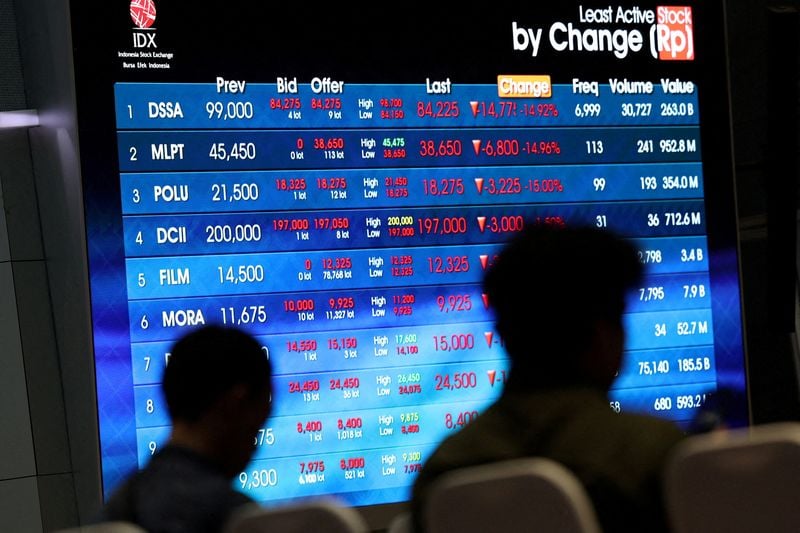
On Friday, Indonesia's stock market faced a significant setback as MSCI announced plans to remove it from its emerging market indexes. This surprising decision led to the largest one-day drop in Jakarta shares since 1998, with the benchmark index plummeting by 11.57%. The rupiah currency also suffered, plummeting to its weakest point in months.
The Indonesian government responded with sanctions against those involved in alleged trading manipulation, but the damage had already been done. The market had lost over $350 billion in capitalization, with $60 billion wiped out on Friday alone. MSCI cited insufficient reforms and a lack of progress in addressing market issues as the reasons for the downgrade.
The agency proposed moving Indonesia to standalone status, which would exclude its stocks from global indexes and force funds to sell. Indonesia's Economic Minister expressed concerns about the lack of notice given during a recent meeting in Bangkok. The move puts pressure on President Prabowo Subianto's administration, which has already faced multiple setbacks this year, including sovereign rating downgrades from Moody's and Fitch.
MSCI's decision highlights the agency's dissatisfaction with Indonesia's pace of reforms and raises questions about the market's investability.
Written by urgent.news from Investing.com's reporting — not their text. Machine-written — may contain errors; check the original before relying on it.