Formula One Has a Big AI Problem. Should the Next F1 Game Recreate It?
Formula One's 2026 regulation changes have introduced AI into motorsport, taking control away from drivers. Should the next F1 game replicate this or stick with "old-school" racing?
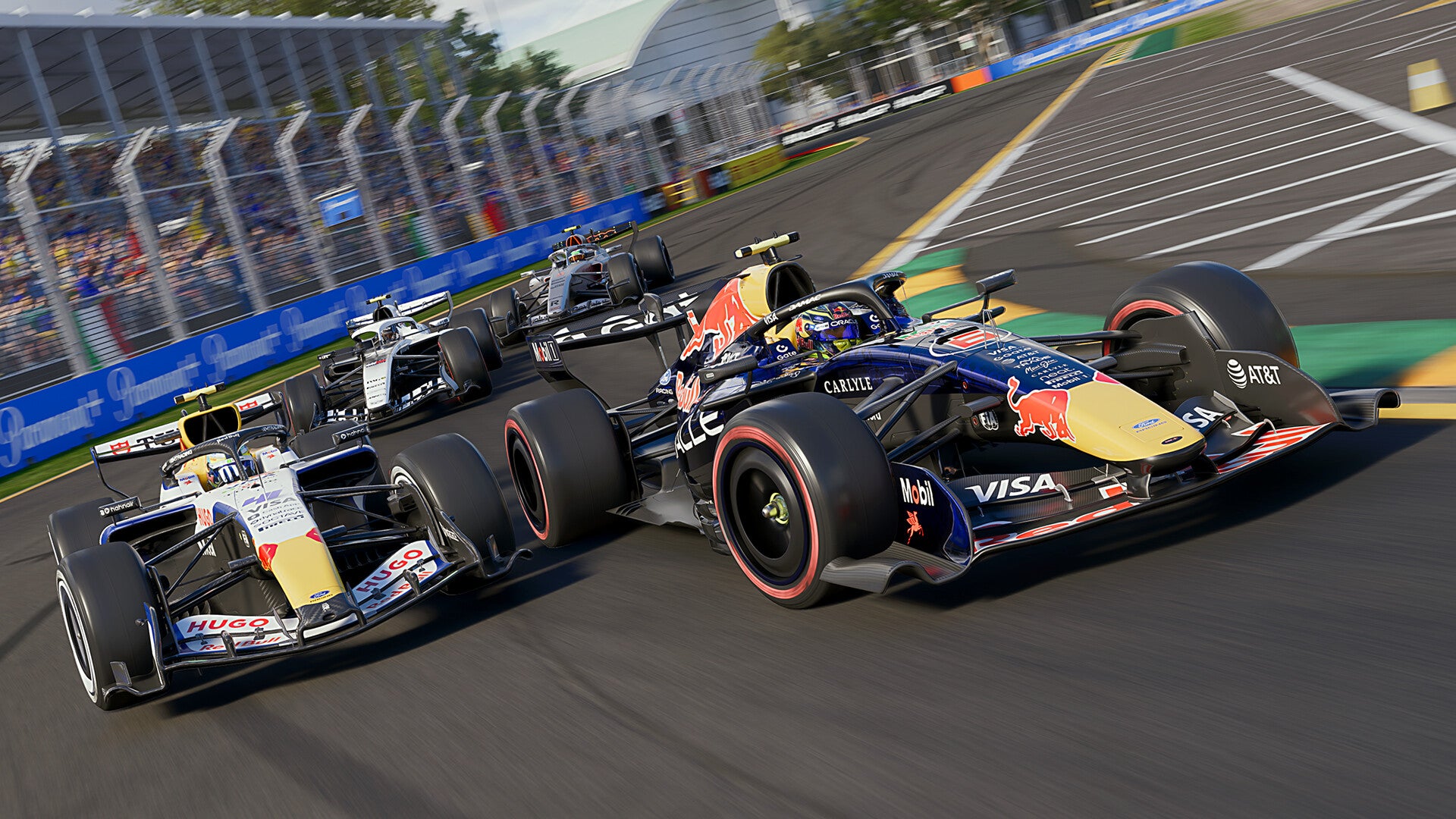
Since acquiring the F1 license in 2009, Codemasters, a UK-based studio, has navigated the delicate balance between simulating realistic physics and capturing the intricacies of the sport in its F1 games. While Codemasters' games have never been as rigorous in physics simulation as iRacing or rFactor, they have managed to present the sport's details in an entertaining and rewarding manner. However, recreating the current F1 auto-deployment of electric power in the next F1 game could prove to be a significant challenge.
This regulation, introduced for the 2026 season, allows machine learning AI supercomputers to control the power deployment of hybrid power units in Formula One cars. This complex system is usually subtle, working behind the scenes to optimize power usage. But when it goes wrong, it becomes highly conspicuous. At the Sepang circuit's first weekend of October, 22 vehicles representing the pinnacle of motorsport lost throttle and slowed to 20mph on the warmup lap due to a software glitch triggered by wet weather and the configuration of Sepang's sectors. Drivers had to install a software update to their cars before the race could begin.
Lewis Hamilton, whose Ferrari stalled on the start-finish straight, had to perform a full engine restart to regain some control over power deployment. Earlier at Baku, Valtteri Bottas retired from the race after suffering an unusual accident. Bottas revealed that the crash wasn't due to driver error but the energy deployment system.
The energy deployment system is responsible for super-clipping, a phenomenon where the power unit reduces throttle to harvest energy for the electric motor. This can create bizarre sights and sounds, such as a Formula One car coasting into a corner prematurely, as if it's running out of fuel.
The incidents reveal how much of the 2026 F1 car is out of the driver's control. The subtle nature of these issues and the power difference between a car with boosted electric power and one without can make the racing seem unnatural to watch. Many have criticized the racing as overly artificial, with the power difference between cars making it appear as if they belong to different categories.
For Codemasters, who have historically emphasized capturing the sport's specific details, translating the auto-deployment of electric power into their games presents a new challenge. The game's current battery deployment system allows players to control power harvesting to an extent, but this differs significantly from the AI auto-deployment seen on the real track. The game's developer must find a way to replicate the current regulations while ensuring that the game remains satisfying for both solo and competitive play.
Written by urgent.news from IGN's reporting — not their text. Machine-written — may contain errors; check the original before relying on it.