Fed sees AI boom adding to inflation headache, but others may pay for the medicine
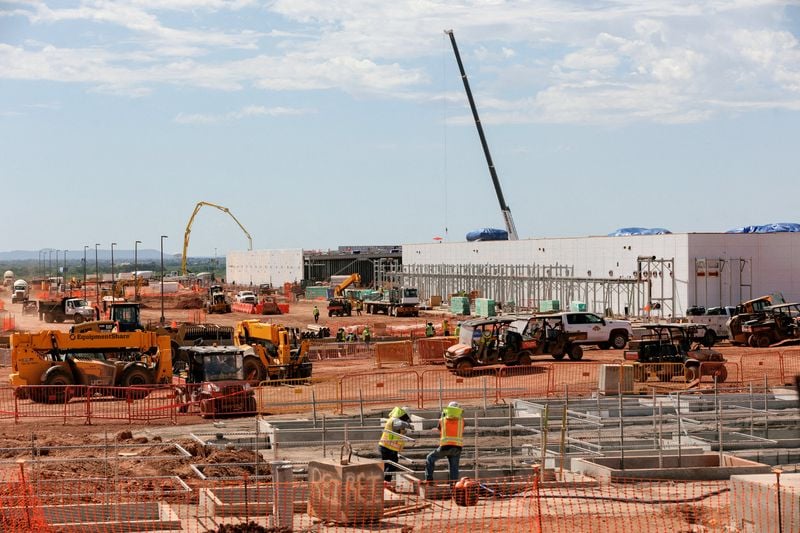
A Federal Reserve report highlights the potential for the AI boom to exacerbate inflation, as central bankers struggle to balance cooling the broader economy to reduce price pressures. The Fed's primary tool for inflation control, raising borrowing costs, has uneven effects. While AI firms continue spending recklessly, economists believe the pain from rate hikes will fall on businesses and families that rely more on credit, or small and medium-sized enterprises that rethink their investment plans due to heightened borrowing costs.
Housing markets remain weak, and the labor market is not seen as a significant source of inflation due to rising wages. Consequently, small businesses, consumers with debt, credit card users, and the stock market, particularly those supporting wealthier households, may feel the effects of higher interest rates. Fed officials, such as Cleveland Fed President Beth Hammack, acknowledge the need to temper growth to avoid excessive pricing pressure.
The Federal Open Market Committee (FOMC) is scheduled to meet on October 27-28, with expectations of maintaining current rates at 3.75%-4.00%, with further hikes likely. Fed Chairman Kevin Warsh has recognized AI investment as a shock to prices and demand, even if he anticipates long-term wealth and productivity gains. Despite acknowledging the need to address the building price pressures, Warsh has not detailed the specific ways higher rates might lower inflation or where economic pain might be felt.
Fed officials have expressed confidence in raising rates without a significant impact on unemployment, but they also recognize that this might limit one avenue to lower inflation.
Written by urgent.news from Investing.com's reporting — not their text. Machine-written — may contain errors; check the original before relying on it.