Erkrankungen im Job: EU verbessert Schutz vor giftigen Chemikalien bei der Arbeit
Kobalt steckt in Batterien für Elektroautos. In hohen Konzentrationen kann es Krebs verursachen. Neue Regeln sollen Arbeiter schützen.
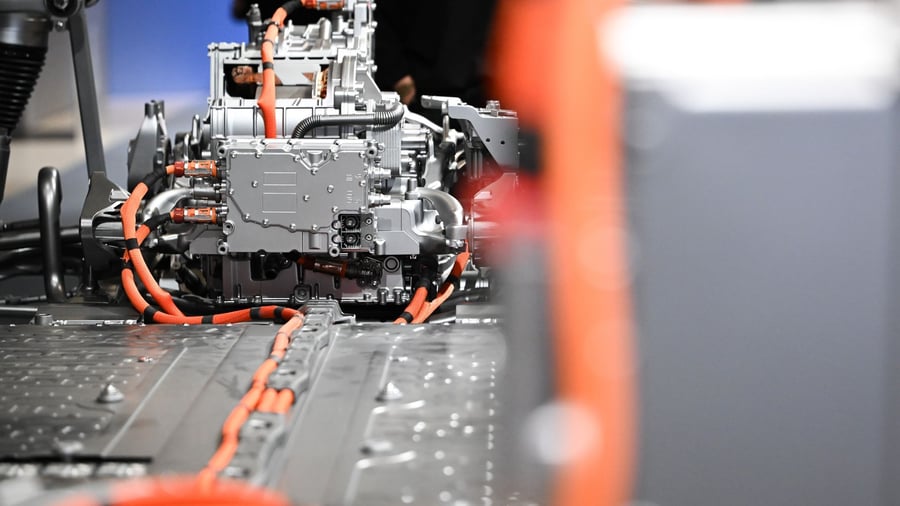
The European Union is set to enhance worker protection against harmful chemicals in the workplace. Member states have given final approval to stricter limits for several substances that may cause cancer or asthma. These substances are found in battery materials for electric vehicles and are produced during steel production. The new regulations are expected to prevent around 1,700 lung cancer cases and 19,000 other illnesses over the next 40 years.
The limits specify the maximum amount of these substances workers can be exposed to in an eight-hour workday. For cobalt and its inorganic compounds, two values will apply: 0.01 milligrams per cubic meter for particles inhaled through the nose and mouth, and 0.0025 milligrams per cubic meter for finer particles that can reach deeper into the lungs.
The European Commission frequently uses these substances in battery production, especially for electric vehicles. They are also used in magnet and hard metal manufacturing. The industry has been given six years to adapt, with higher limits in place during the transition period. Workers in Europe are exposed to high concentrations of cobalt, which is classified as toxic, carcinogenic, and genotoxic by the Environmental Agency.
The EU introduced new long-term limits for isoprene, a substance used in the chemical industry that meets the criteria for a carcinogen. The update also classifies welder's lung as a potentially harmful substance. Parliament and member state negotiators agreed to the new rules in June, and the directive has been formally confirmed.
The EU Commission will now publish the regulation in the EU's official journal. After it comes into force, the EU member states will have two years to incorporate the rules into national legislation. Some limits will have longer transition periods.
Written by urgent.news from Handelsblatt's reporting — not their text. Machine-written — may contain errors; check the original before relying on it.