Consumer concerns grow as retailers adopt AI-assisted pricing tools
Terms like "dynamic pricing" and "surveillance pricing" are stirring up anger and anxiety on social media.
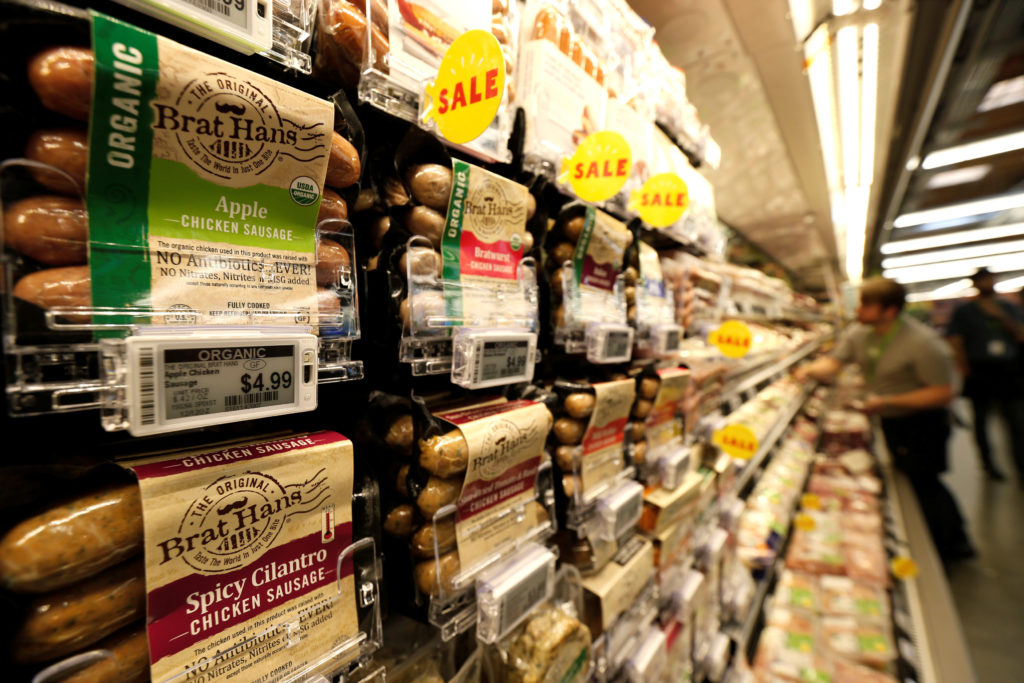
Consumers in the United States are frustrated and confused by the growing use of artificial intelligence (AI) in pricing strategies by major retailers and restaurant chains. Digital price tags, powered by AI, are replacing traditional paper tags in grocery aisles, leading to concerns about dynamic and personalized pricing practices.
Terms like "dynamic pricing" and "surveillance pricing" have sparked anxiety on social media, as consumers question if different individuals are being charged different prices for the same product without their knowledge.
Americans have grown accustomed to price fluctuations when booking travel or using services like ride-sharing, but the idea of everyday spending being influenced by algorithms and personal data has raised concerns. Katie Thomas, who leads a consumer behavior think tank at Kearney, a management consulting firm, noted that the tension lies in the power dynamic between companies and shoppers.
Companies argue that their pricing tools save workers time and maintain up-to-date prices, stating that prices are not set based on personal factors like the weather or individual shoppers.
However, there are concerns about the data collected by these companies and how it is used. For instance, Walmart CEO John Furner claimed that digital price tags save workers time and keep prices consistent, emphasizing that prices are set for the product, not the person. Despite Walmart's transparency efforts, consumers remain suspicious of the data collection practices. Social media posts have even falsely suggested that Walmart's electronic shelf labels scan shoppers' faces or cellphones to set individualized prices.
As state legislatures and regulators respond to these concerns, at least 30 states have considered pricing bills in 2025, addressing algorithmic and personalized pricing. The Federal Trade Commission (FTC) has proposed an enforcement policy warning businesses against failing to disclose the use of personal data to set individualized prices, which could violate consumer protection laws.
Some pricing practices and technologies drawing scrutiny include dynamic pricing, digital price labels, and personalized pricing. Dynamic pricing adjusts prices based on changing market conditions, such as supply and demand, while digital price labels allow stores to update shelf prices electronically. Personalized pricing offers customers different prices and discounts based on their locations, incomes, web-browsing habits, and other individual information.
Written by urgent.news from PBS NewsHour's reporting — not their text. Machine-written — may contain errors; check the original before relying on it.
This story
This is one outlet's version. Read the fullest account.