Consumer concerns grow as retailers adopt AI-assisted pricing tools
Terms like "dynamic pricing" and "surveillance pricing" are stirring up anger and anxiety on social media.
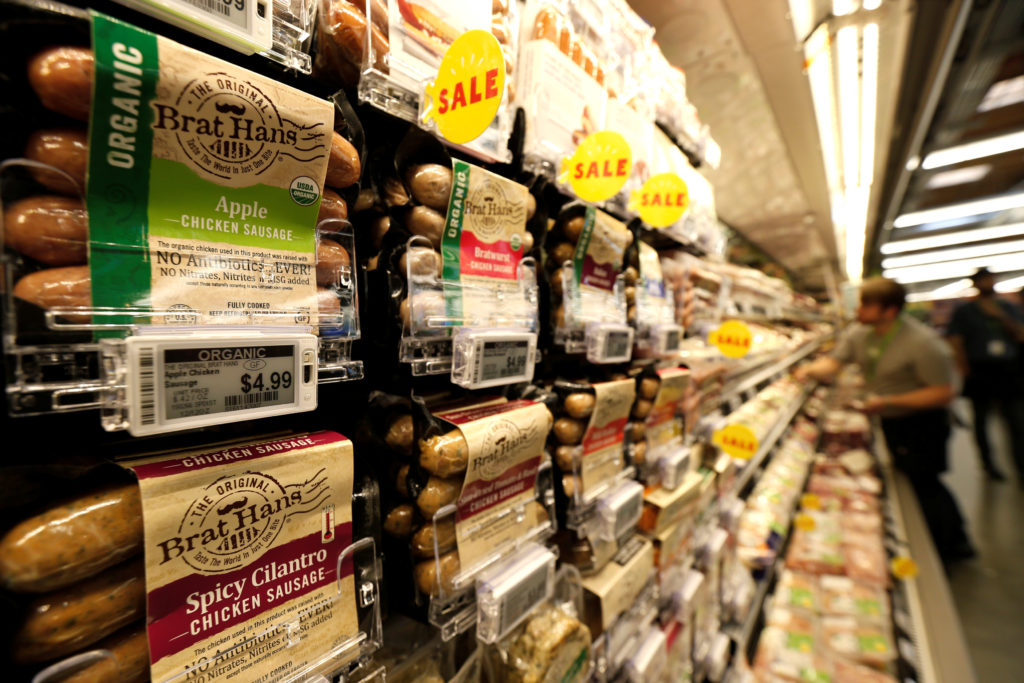
U.S. consumers are growing increasingly frustrated and confused by the high-tech methods employed by restaurant chains and major retailers in setting prices, with digital price tags taking over from traditional paper tags in grocery aisles. Artificial intelligence (AI) tools are being used to determine prices based on predictions of customer responses.
Terms such as "dynamic pricing" and "surveillance pricing" have sparked anxiety on social media, as people question whether different individuals are receiving different prices for the same product.
The concern surrounding these pricing practices stems from the fact that consumers are accustomed to price fluctuations when booking flights, hotel rooms, and rides, but the idea of everyday spending influenced by algorithms and personal data they may not be aware of sharing has led to a heightened sense of unease. Katie Thomas, who heads Kearney's internal consumer behavior think tank, stated that tensions are emerging between the companies utilizing these algorithms and the shoppers.
Companies utilizing this technology often argue that consumer concerns are rooted in misconceptions about how their pricing tools function. For instance, Walmart CEO John Furner stated in a blog post that digital price tags save workers time and maintain consistent prices, clarifying that these labels are not used to adjust prices based on external factors like weather, time of day, or individual shoppers.
However, the lack of transparency regarding the customer data collected and its use has fueled suspicion among consumers.
Lawmakers and regulators are responding to these concerns. More than 30 states have considered pricing bills this year, focusing on algorithmic and personalized pricing. The Federal Trade Commission (FTC) has also proposed an enforcement policy, warning businesses that failing to disclose the use of personal data to set individualized prices could violate consumer protection laws.
Several pricing practices and technologies are currently under scrutiny. Dynamic pricing refers to adjusting prices in response to changing market conditions, such as supply and demand. Uber's surge pricing, which raises fares during high-demand periods, is a form of dynamic pricing. Another emerging practice is digital price labels, which allow stores to update shelf prices electronically instead of replacing paper tags.
These digital displays are becoming more common in major U.S. retailers like Walmart and Whole Foods, but consumer advocates have raised concerns that they could eventually be used for surge pricing or personalized pricing. Labor unions have also opposed the technology.
Digital price labels, which have been in use in Europe and Asia, are gaining traction in the U.S. These labels make frequent price changes easier, but retailers typically update them on a regular schedule, often weekly, as shoppers value consistency. Researchers have found virtually no surge pricing after introducing electronic shelf labels, as changing prices throughout the day is uncommon in grocery and general merchandise.
Personalized pricing involves offering customers different prices and discounts based on their locations, incomes, web-browsing habits, and other individual or group information. While some advocacy groups and regulators use the term "surveillance pricing" for this practice, it is unclear how widely businesses use personal information to customize prices.
A recent FTC staff report revealed that intermediaries offering tools to tailor prices and promotions have worked with over 250 clients, including grocery and clothing retailers. Legislators in several states have enacted restrictions on using shoppers' personal data to determine what they pay, particularly for groceries, with exceptions for certain loyalty discounts and promotional offers.
Written by urgent.news from PBS NewsHour Science's reporting — not their text. Machine-written — may contain errors; check the original before relying on it.