Citing ProPublica, Lawmakers Introduce Bill to Help U.S. Citizens Sue ICE for Wrongful Detentions
The post Citing ProPublica, Lawmakers Introduce Bill to Help U.S. Citizens Sue ICE for Wrongful Detentions appeared first on ProPublica .
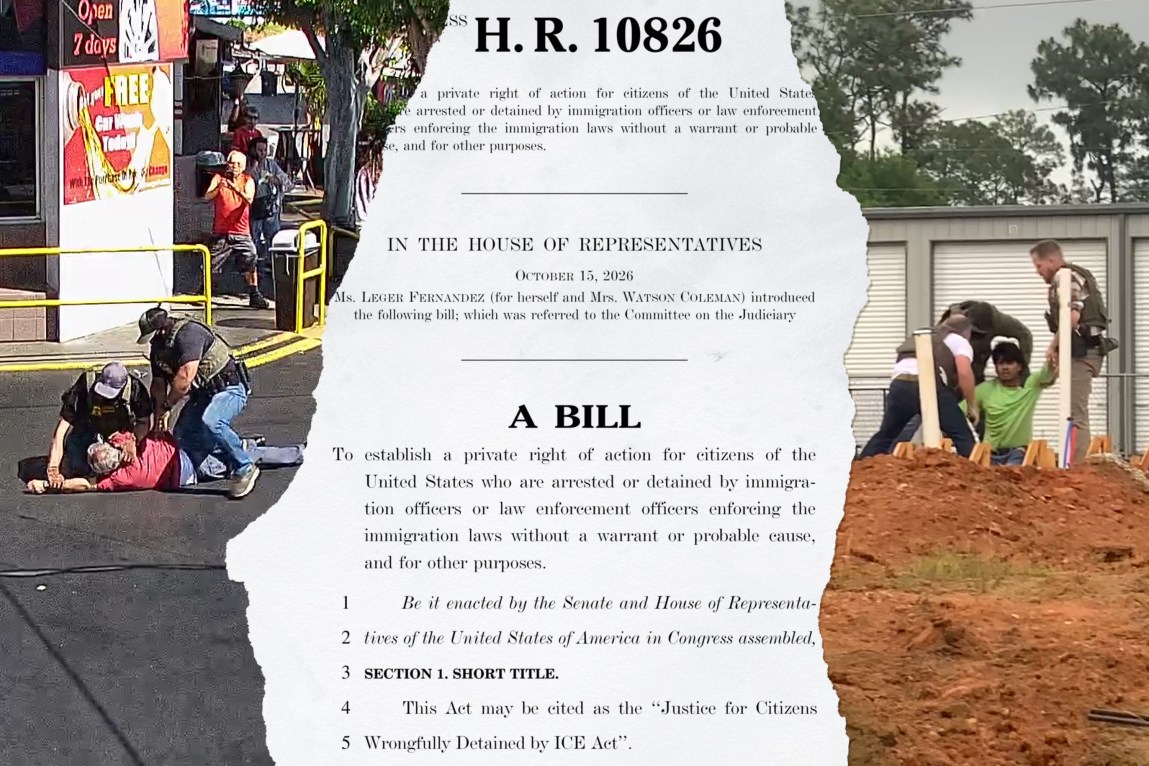
Last week, a Democratic Representative from New Mexico introduced legislation aimed at facilitating lawsuits against immigration enforcement agents and the federal government for wrongful detentions and arrests of U.S. citizens. Rep. Teresa Leger Fernández credited ProPublica's reporting for inspiring the bill, now called the Justice for Citizens Wrongfully Detained by ICE Act.
The legislation seeks to remove legal protections for agents and the government against such lawsuits and establish a minimum compensation for successful lawsuit claimants, along with extending the time limit for filing claims.
ProPublica's investigation revealed that over 500 U.S. citizens were detained without warrants during President Donald Trump's administration. Leger Fernández argued that the bill would improve accountability, deter misconduct, and prevent future violations of law, policy, and the Constitution. The Department of Homeland Security, the parent agency of ICE, refuted the allegations of wrongful detentions, maintaining that its operations are "highly targeted."
The bill was co-sponsored by Rep. Bonnie Watson Coleman, a New Jersey Democrat. Critics of the legislation argue that it is difficult for both federal officers and local prosecutors to sue federal agents for wrongful arrests or excessive force. People accusing immigration agents of wrongdoing can currently only sue under specific circumstances, and prior Democratic attempts to change this have not succeeded.
Some local prosecutors have initiated investigations or prosecuted federal agents involved in wrongful immigration enforcement actions. The legislation's primary goal is to hold accountable those who violate the law, policy, and the Constitution while providing a mechanism for redress to those adversely affected.
Written by urgent.news from ProPublica's reporting — not their text. Machine-written — may contain errors; check the original before relying on it.