Biosignatures Extend Robustly into the Top Kilometer of Sedimentary Basins
Through the top kilometer of sedimentary basins, biosignatures track microbial cells, permeability, and water inputs. Below that, permeability limits microbial presence despite temperatures conducive to life.
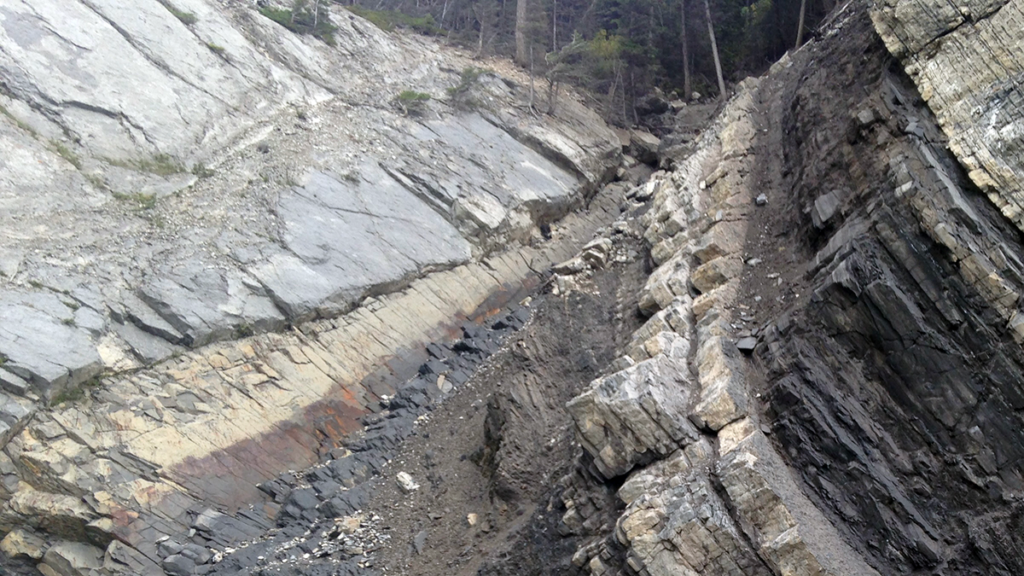
A recent study published in AGU Advances [1] has discovered that biosignatures, or fingerprints of life, extend more deeply into Earth's subsurface than previously thought. The research, led by McIntosh et al., analyzes data from sedimentary basins and reveals three key biosignatures that indicate microbial activity: the δ13C of carbon dioxide and methane, and the gravity, or inverse density, of oil.
These biosignatures are particularly prominent in areas with abundant microbial cells and subsurface structures that allow surface water to infiltrate. However, in regions with small pores or low-permeability units, the biosignatures are less evident, irrespective of the depth. The study suggests that robust microbial activity is a prerequisite for these biosignatures to persist over time.
This finding extends the depth to which life's signatures can be detected, which has significant implications for understanding the recycling of organically derived carbon and for historical inferences about past microbial activity derived from the geological record. The research emphasizes the crucial roles of permeability, pore throat size, meteoric influx, and biomass in controlling the depth distribution of these microbial biosignatures within sedimentary basin fluids.
Written by urgent.news from Eos's reporting — not their text. Machine-written — may contain errors; check the original before relying on it.