Are your bones brittle? If they were, how would you know? (To men: this goes for you too) | Ranjana Srivastava
Assessing osteoporosis risk requires more than a scan, which is why a thorough conversation with a doctor is essential “Doctor, how could I get a fracture from sliding on the floor?” My 60-year-old patient is impatient to recover from a pelvic fracture. Continue reading...
Osteoporosis, a condition characterized by fragile bones, affects both men and women. While it is often associated with women, men are also at risk, particularly those over 50. A single fracture can drastically alter a person's mobility, leading to complications such as blood clots, pneumonia, and deconditioning. For cancer patients, bone loss can be a side effect of treatments that deplete sex hormones.
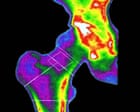
Despite its prevalence, osteoporosis remains under-recognized and undertreated. A bone density scan, or Dexa, is a non-invasive method that can help assess the risk of fractures in the hip, spine, and other sites. However, a scan alone is not enough; a thorough conversation with a doctor is essential to consider various risk factors like age, weight, smoking, alcohol use, steroid use, and other illnesses.
A common misconception is that vitamin D and calcium supplements can protect bones, but studies have shown that supplementation does not significantly reduce fractures or falls in healthy adults. Regular exercise, including weight-bearing activities and muscle strengthening, can help build and maintain bone strength. Enhancing functional fitness, such as the ability to perform everyday tasks, is also crucial.
Many fractures occur due to a lack of strength or balance to manage these tasks. Fracture liaison services, which bring together professionals from various medical fields, can ensure comprehensive care for patients who have experienced a fragility fracture. This approach has been shown to have a significant return on investment.
To prevent future fractures, it is essential to discuss bone health with a doctor, engage in regular exercise, and seek appropriate treatments if needed.
Written by urgent.news from Guardian Health's reporting — not their text. Machine-written — may contain errors; check the original before relying on it.