Why Japan's Yasukuni Shrine remains flashpoint for Korea, China
Japanese Prime Minister Sanae Takaichi made an offering at Yasukuni Shrine in Tokyo on Saturday, bringing to the fore a decades-old sore point with neighboring Korea and China, both of which suffered heavily from Japanese imperial aggression in the first half of the 20th century. The offering came as the shrine’s three-day autumn festival began. Japanese media reported that Takaichi plans to hold…
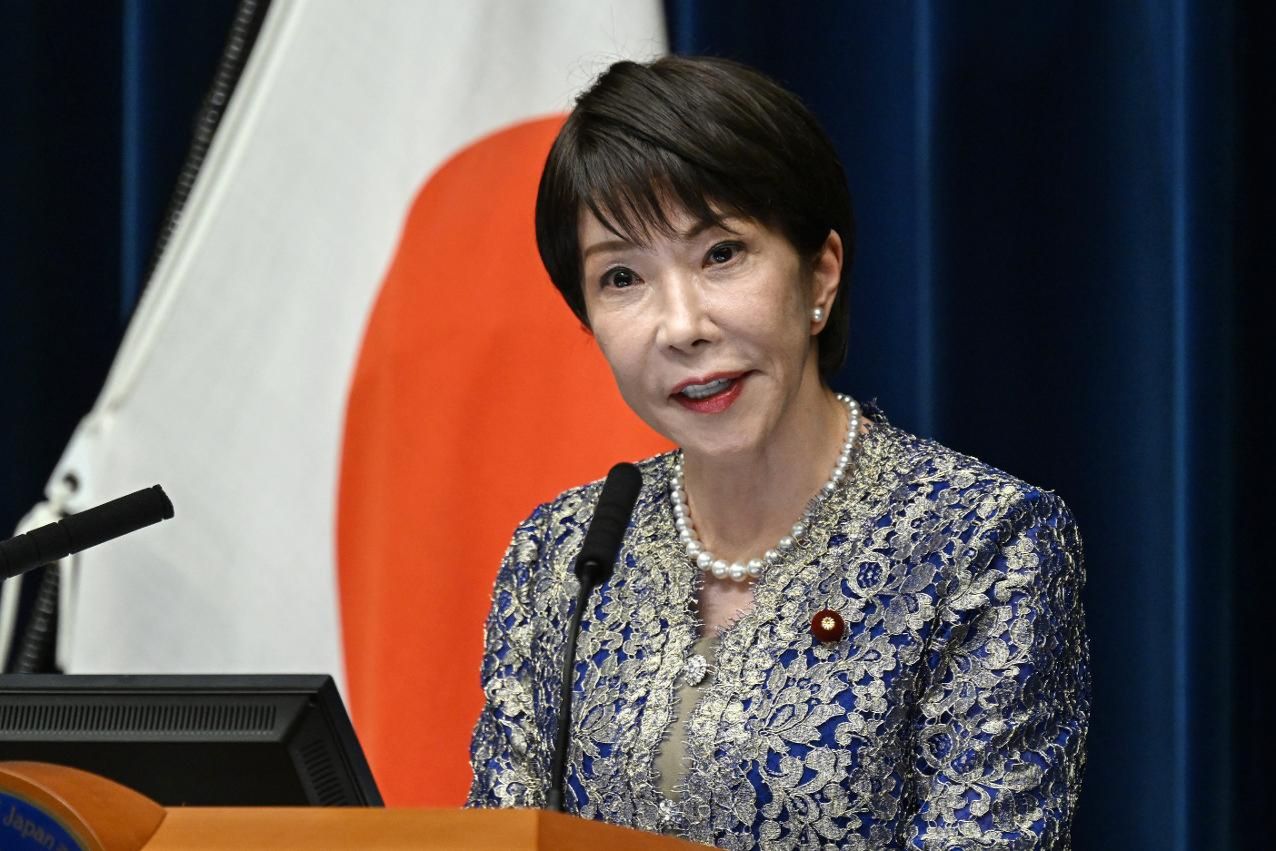
Japanese Prime Minister Sanae Takaichi made a visit to Yasukuni Shrine in Tokyo on Saturday, reigniting tensions with neighboring Korea and China. Both nations suffered greatly due to Japanese imperial aggression during the first half of the 20th century. The shrine, as part of its three-day autumn festival, hosts offerings for about 2.46 million individuals who perished in conflicts associated with the 1868 Meiji Restoration and Japan's military campaigns during World War II.
Approximately 90 percent of these victims are linked to Japan's conflict with the United States and its allies from 1941 to 1945. The site also honors several Class A war criminals, such as former Prime Minister Hideki Tojo, who was executed in 1948 after the war. Korea and China have frequently protested visits or offerings at Yasukuni Shrine, viewing them as a representation of Japan's history of aggression and militarism.
Written by urgent.news from The Korea Times's reporting — not their text. Machine-written — may contain errors; check the original before relying on it.
Also reported by 1 other outlet
- Why Japan's Yasukuni Shrine remains flashpoint for Korea, China koreatimes.co.kr