While consumers are angry about high-tech ways to set prices, a study of dynamic pricing found half the U.S. changes it recorded were decreases
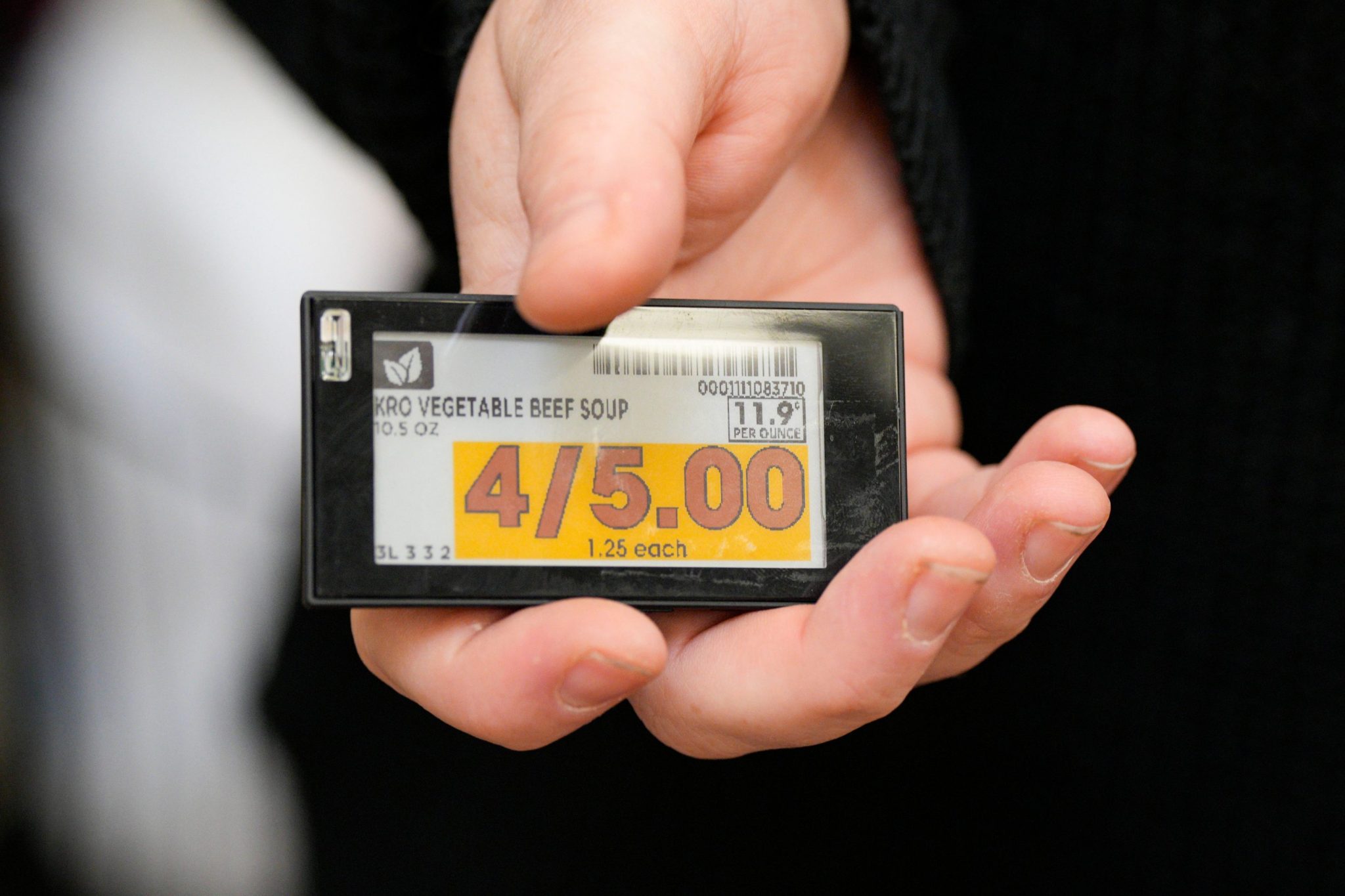
U.S. consumers are frustrated and confused about the high-tech methods that restaurants and major retailers use to set prices. Digital price tags are replacing paper tags in grocery stores, and artificial intelligence tools help businesses determine prices by predicting customer responses. Terms like "dynamic pricing" and "surveillance pricing" have caused anxiety online, as users question if different customers pay different prices for the same product.
While Americans are used to price changes when booking flights or hotel rooms, they are concerned about everyday spending influenced by algorithms and personal data they may not realize they are sharing.
Katie Thomas, head of a consumer behavior think tank at Kearney, notes the tensions between companies and shoppers with regard to these algorithms and AI. Companies argue some concerns come from misconceptions about how their pricing tools function. Walmart CEO John Furner stated in a blog post that digital price tags save workers' time and keep prices updated, but they do not raise prices based on factors like weather, time, or individual shoppers.
However, companies often lack transparency about the customer data they collect and its usage, leading to consumer suspicion and speculation.
Legislators and regulators are addressing the issue. Around 30 states have considered pricing bills this year, including measures addressing algorithmic and personalized pricing. The Federal Trade Commission proposed an enforcement policy warning businesses that failing to disclose the use of personal data to set prices could violate consumer protection law.
Dynamic pricing, which involves modifying prices based on changing market conditions, is a common practice. About half the price changes tracked by Decodo in 2025 were decreases, contrary to the belief that dynamic pricing only increases prices, according to Gabriele Vitke, a senior product marketing manager at the company. Digital price labels, used by major retailers like Walmart and Whole Foods, are becoming more prevalent, but they don't always result in higher prices during times of strong demand. Labor unions oppose this technology, as it can make frequent price changes easier.
Personalized pricing, or surveillance pricing, tailors prices and discounts to customers based on their locations, incomes, web browsing habits, and other individual data. While it's unclear how widely businesses use personal information to customize prices, some advocacy groups and regulators see it as a concern. Maryland, New Jersey, and Connecticut have restricted the use of shoppers' personal data to determine what they pay, with specific focus on groceries and other retail purchases.
California also sued Target in 2022 for allegedly using geofencing technology to increase prices. Target eventually agreed to a $5 million settlement and banned the practice, maintaining its commitment to clear and transparent pricing.
Written by urgent.news from Fortune's reporting — not their text. Machine-written — may contain errors; check the original before relying on it.