When the haze turns breathing into a struggle
For one Kuala Lumpur father, the danger became frighteningly real when his nine-year-old daughter ended up in hospital for five days.
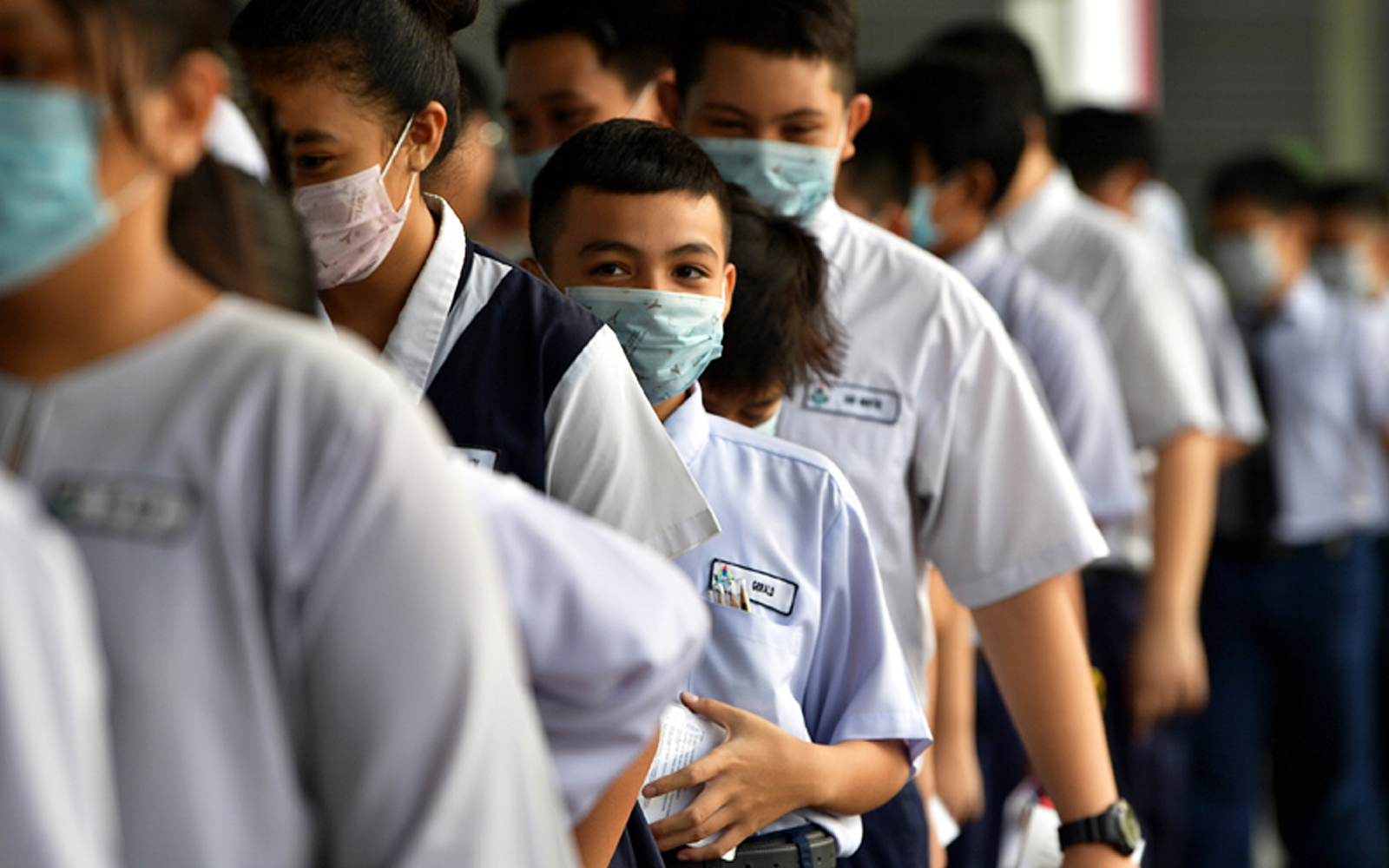
Children are especially at risk during haze episodes, as their young lungs develop and repeated exposure can exacerbate respiratory issues like coughing, wheezing and shortness of breath. In Malaysia, Muhammad Syahir Azali vividly recalls his nine-year-old daughter Puteri Hannah Amelia's struggle to breathe. Initially experiencing a cough and inflamed throat, her condition rapidly deteriorated into chest pain and breathing problems.
After being hospitalized for five days due to a mycoplasma infection and bronchitis linked to haze exposure, her parents had to take extra precautions, including ensuring she wore a face mask indoors. This marked the first time Hannah had been hospitalized due to a haze-related illness, and she missed school while recovering. The family was advised to be vigilant and wear masks even indoors.
Adults, too, can be affected, particularly during outdoor exercise. When the Air Pollutant Index (API) reading rises above 100, even experienced runners like Syahirah Atikah, 36, a marathon enthusiast, must reconsider their plans. While she felt confident starting her run, the haze thickened as the morning progressed. After completing her run, she experienced chest tightness and difficulty breathing.
The following day, she took sick leave due to a severe headache and cold. Dr Noor Zehan Abdul Rahim, a pediatric respiratory physician, explained that prolonged or repeated exposure to haze can inflame the respiratory tract, as fine particles like PM2.5 penetrate deep into the lungs. Children are especially vulnerable due to their still-developing lungs, and older adults may have reduced capacity to clear inhaled particles.
Symptoms can range from persistent coughing and wheezing to mucus production, chest tightness, and breathlessness. For children with pre-existing respiratory conditions like asthma, repeated exposure can trigger flare-ups and worsen symptoms.
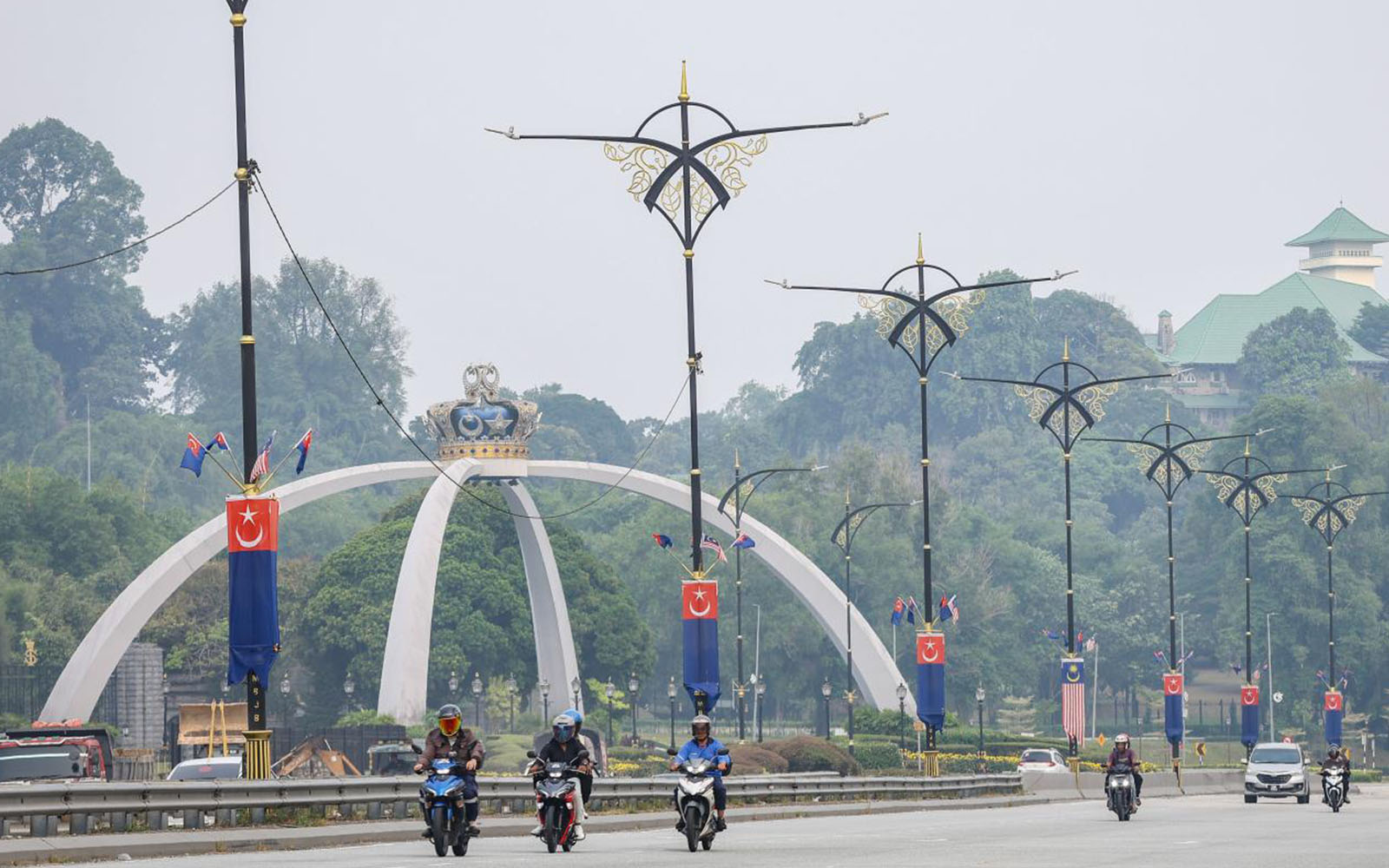
Transboundary haze can create a blanket of polluted air, making it challenging to avoid exposure even far from the fire sources. During exercise, the increased depth of breathing amplifies the amount of polluted air inhaled. Tolullah Oni, chair of Global Public Health and Sustainable Urban Development at the University of Cambridge, noted that runners may inhale larger quantities of polluted air, especially when running beside busy roads.
Even small changes in distance from traffic can significantly reduce inhalation. However, transboundary haze is particularly hard to escape, as it can cover a vast area. Dr Oni advised against outdoor running under severe haze conditions, as exposure would undoubtedly be worse. Weather changes can provide temporary relief, but shifting winds may bring smoke back from nearby countries, causing conditions to fluctuate rapidly.
For families like Syahir's, who have witnessed a child fight for breath, the haze is no longer just an inconvenience; it has become a matter of life and death.
Written by urgent.news from Free Malaysia Today's reporting — not their text. Machine-written — may contain errors; check the original before relying on it.
Also reported by 1 other outlet
- When the haze turns breathing into a struggle freemalaysiatoday.com