UAE leads Gulf investment in Pakistan bonds with $130m
Dubai: The UAE has emerged as the largest Gulf investor in Pakistan’s government bonds, pumping $130 million (Dh477 million) into the country’s domestic debt market in just nine days of October, according to the latest figures from the State Bank of Pakistan (SBP). The investment highlights growing interest from Gulf countries in Pakistan’s government securities, particularly longer-term bonds…
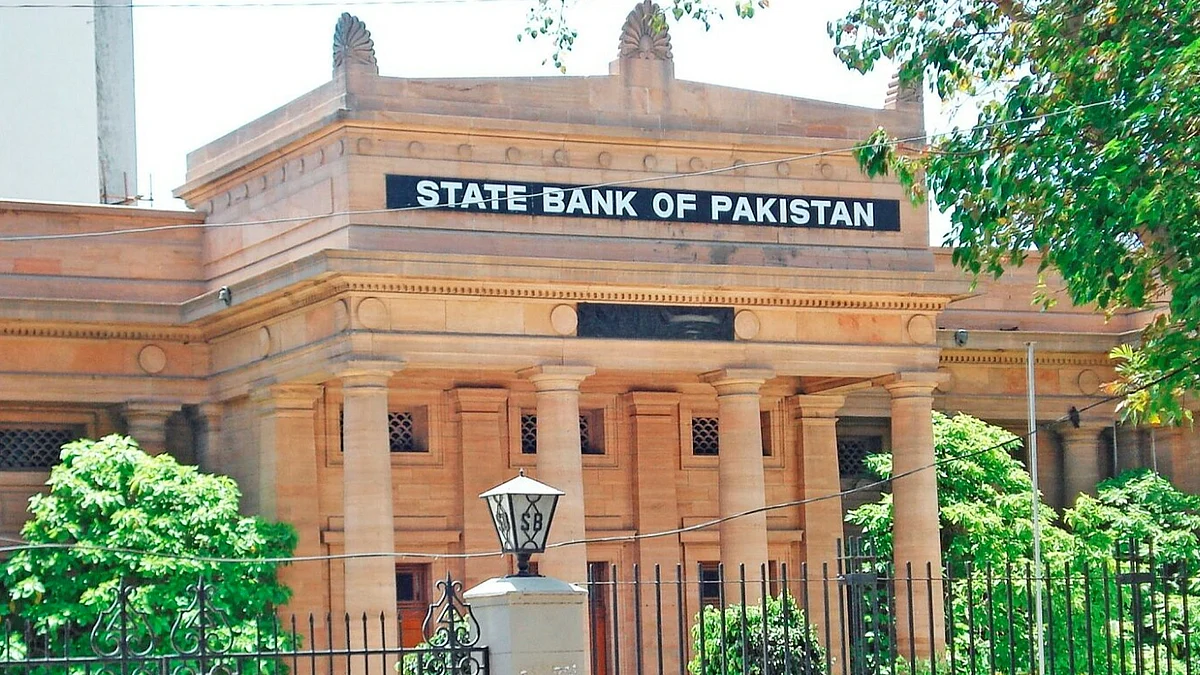
Dubai: In a span of just nine days in October, the United Arab Emirates emerged as the leading Gulf investor in Pakistan's government bonds, committing $130 million (Dh477 million) to the nation's domestic debt market, according to data from the State Bank of Pakistan (SBP). This substantial contribution underscores the growing appeal of Pakistan's government securities among Gulf countries, particularly those offering competitive returns.
The SBP reported that Pakistan received $188 million (Dh690 million) in foreign investments between October 1 and 9, with the UAE accounting for $130 million, encompassing $80 million in long-term Pakistan Investment Bonds (PIBs) and $50 million in short-term treasury bills. Bahrain was another key player, contributing $40 million, comprising $30 million in PIBs and $10 million in T-bills.
Together, the UAE and Bahrain accounted for $170 million, or approximately 90% of the total foreign investments recorded during the nine-day period. The UAE's ongoing investment in Pakistan's debt market, including a $110 million investment in PIBs and $5 million in treasury bills in September, highlights a consistent and growing interest from Gulf investors.
This trend is significant for Pakistan, which has been actively seeking additional foreign exchange sources to bolster its reserves and stabilize its economy. Since the start of the current fiscal year on July 1, foreign investments in Pakistan's government securities have reached $656 million, with $404 million in PIBs and $252 million in treasury bills.
Financial experts attribute the UAE's and other Gulf countries' interest in Pakistan's government bonds to the relatively attractive returns offered by these securities. Some also suggest that expatriate Pakistanis residing in Gulf countries might be allocating part of their savings to these investments to capitalize on higher yields.
However, analysts caution that investments in Pakistani government securities are still relatively modest compared to the broader investment capacity available in Gulf countries. Despite being backed by the government, these bonds are subject to risks such as currency fluctuations and changing market conditions. For overseas Pakistanis, particularly those living in the UAE, Saudi Arabia, Bahrain, and other Gulf countries, this investment trend could present opportunities to invest their savings back home.
Pakistan has traditionally depended heavily on remittances from its expatriate population, which reached a record $41.5 billion in the 2025-26 fiscal year, with projections of $44 billion for FY27. However, weak export growth and a widening trade deficit have made attracting diverse sources of foreign currency increasingly crucial.
While government bonds could complement remittances, analysts emphasize that investor confidence and adequate foreign exchange reserves remain vital. S.S. Iqbal, a money market expert, viewed the rising investment in government securities as an encouraging development. He suggested that the government should enhance the appeal of these securities for Gulf investors and underscored the importance of strengthening Pakistan's foreign exchange reserves to bolster investor confidence.
Written by urgent.news from Gulf News's reporting — not their text. Machine-written — may contain errors; check the original before relying on it.