To educate or 'educare'? Why South Africa must nurture its future citizens
South Africa’s violence crisis cannot be solved by policing alone, argues Dr Rudi Kimmie. Education must develop empathy, agency and responsible citizenship alongside academic knowledge.
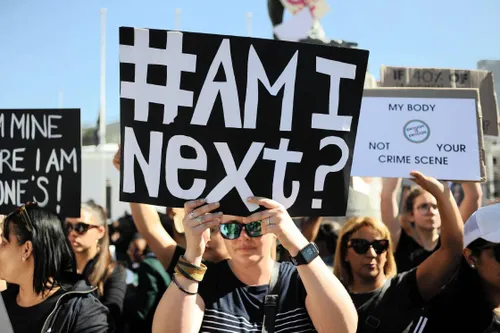
South Africa grapples with a pervasive issue: violence, which has plagued the nation since its colonial past, surviving through the apartheid era and into modern times. This violence manifests in various forms, targeting women, foreigners, youth in townships, schools, and now even on social media platforms. Despite having one of the most progressive constitutions in the world, affording human dignity, equality, and freedom, millions of South Africans still live in fear, insecurity, hardship, and poverty.
The question is no longer about having sufficient laws, policies, or strategies to curb violence, but rather, what needs to be done to cultivate a more compassionate society. Violence is not merely a policing issue; it is indicative of deeper socio-economic and political crises rooted in intergenerational trauma, political failure, and community disillusionment.
These conditions foster an environment where businesses are hesitant to invest, economic opportunities disappear, unemployment and poverty deepen, and skilled individuals leave, perpetuating the cycle of despair.
Addressing this issue requires a systemic response, a transformation that involves shifting hearts and minds and recognizing the capacity to shape circumstances. It necessitates developing a generation of citizens who can reflect on their circumstances, understand the world, imagine alternatives, and take action to create better futures.
This transformation requires human agency, where people believe they can make a difference and possess the values and capabilities to do so. Education emerges as a key instrument for transformation. It should not be limited to a pathway to employment and economic advancement; it should also be about nurturing socially aware and empathetic human beings.
The Department of Basic Education has approximately 13 million learners in South Africa's public schools, and over 1.1 million students in public universities, representing the country's greatest reservoir of human potential.
The focus should not solely be on what knowledge is imparted but also on what kind of human beings are being developed. Education, derived from the Latin Educare meaning "to nourish," emphasizes more than just filling minds with information. It is about nurturing individuals who are socially aware and empathetic. South Africa does not need another generation of mindless economic slaves; it needs individuals who can meaningfully participate in personal growth, community development, and societal sustainability.
To achieve this, education must include teaching values alongside knowledge, such as how to live in a complex world facing social and environmental threats, how to listen, collaborate, disagree without hatred, navigate diversity, take responsibility, and solve problems constructively. The curriculum should cultivate empathy, resilience, creativity, responsibility, and courage, essential capabilities for building a functioning and sustainable society.
Moreover, Educare challenges the notion of where education happens; it is not confined to the classroom but extends to parents, friends, community leaders, sports, religious and cultural institutions, social media, and society at large. Young people absorb messages about societal values from various sources. If they witness corruption rewarded, violence normalized, and selfishness celebrated, traditional teachings on citizenship lose their impact.
However, if they experience respect, accountability, compassion, inclusion, and opportunity, these values become ingrained in their understanding of what society should be. Society itself is a classroom, and every adult, in some way, is a teacher.
Written by urgent.news from IOL's reporting — not their text. Machine-written — may contain errors; check the original before relying on it.