This New Research About Microplastics Is Pretty Damn Scary
"This work has significant implications for environmental and human health." The post This New Research About Microplastics Is Pretty Damn Scary appeared first on Futurism .
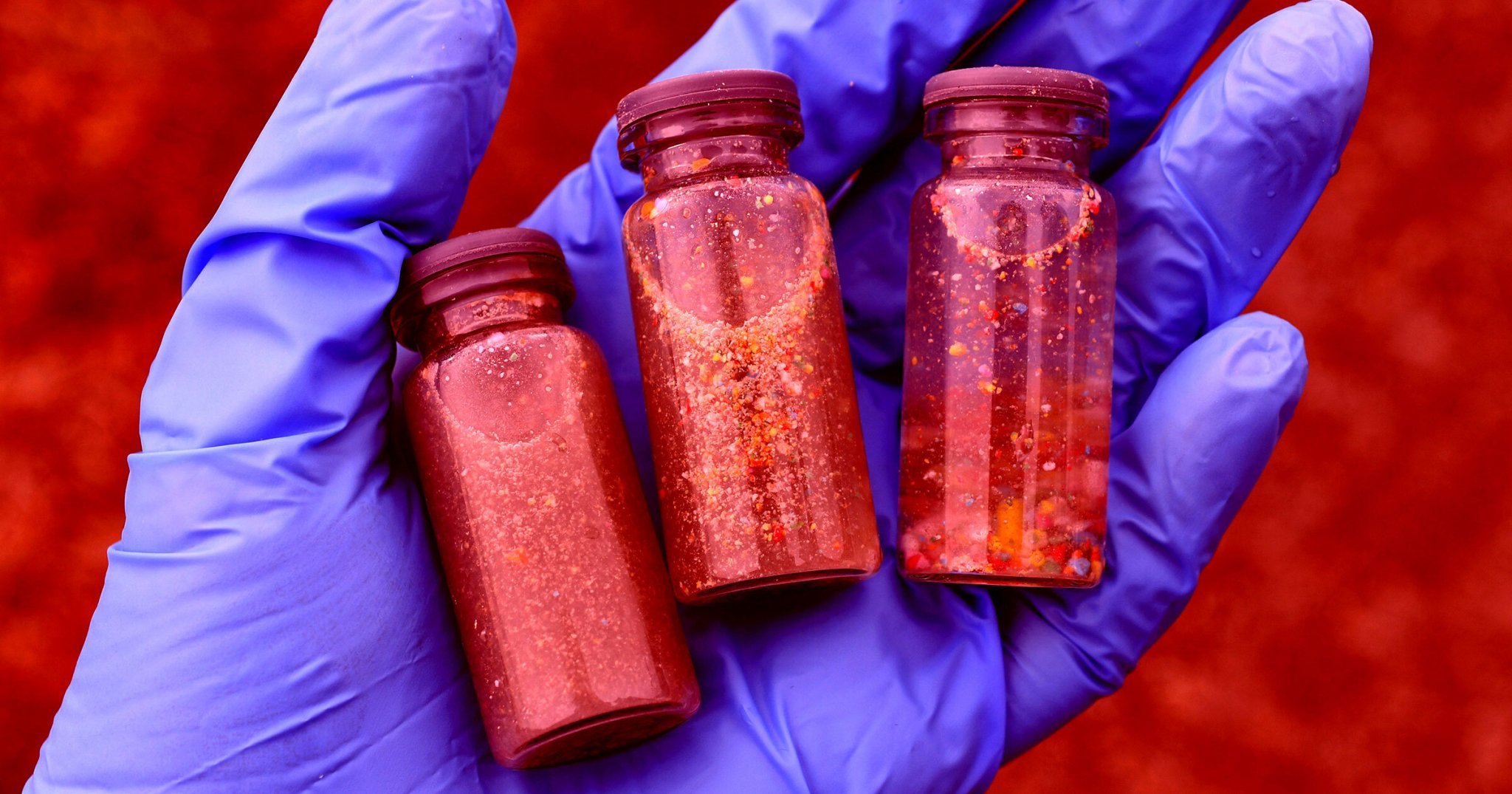
A fresh study published in the journal Nature challenges the idea that plastic is a harmless and chemically inert substance. The research, conducted by Columbia professor of chemistry and biomedical engineering Wei Min, investigated how micro and nanoplastics interact with water-rich environments, such as the human body. The findings indicate that typical consumer-grade microplastics demonstrate "intrinsic physicochemical activity" in these settings, suggesting that they do chemically react within our bodies.
Min explained that as plastic fragments into smaller particles, its surface area increases significantly. This, in turn, allows microplastics to alter the water surrounding them, generating high-energy, reactive radicals. These radicals are likely to contribute to biological damage observed in animals and potentially in humans due to microplastic exposure.
This research corroborates another alarming study that revealed the average liter of bottled water contains over 240,000 microplastics, a number far higher than previously known. This combination of studies implies that these countless plastic fragments possess the ability to inflict greater chemical harm than scientists previously believed.
Co-author Beizhan Yan emphasized the potential implications of this work for environmental and human health, especially concerning our food supply chains. Plastics are deeply integrated into various aspects of our lives, from industrial agriculture to food processing, distribution, and preservation. For instance, food packaging accounts for 40 percent of the world's total plastic production, with billions of dollars invested in the plastics industry.
Unfortunately, individual consumers have limited control over the amount of plastic exposure in their food, as the production process is beyond their reach. Even those who can afford premium foods packaged in glass or tin cannot avoid microplastics, as they are present throughout the entire production process. It's clear that our collective health depends on finding a solution to this ever-growing plastic problem, and doing so quickly.
Written by urgent.news from Futurism's reporting — not their text. Machine-written — may contain errors; check the original before relying on it.