The US Air Force is spending millions on data collected by massive autonomous weather balloons
The US Air Force could spend $49 million on WindBorne's weather balloon data, although orders currently stand at $1.7 million.
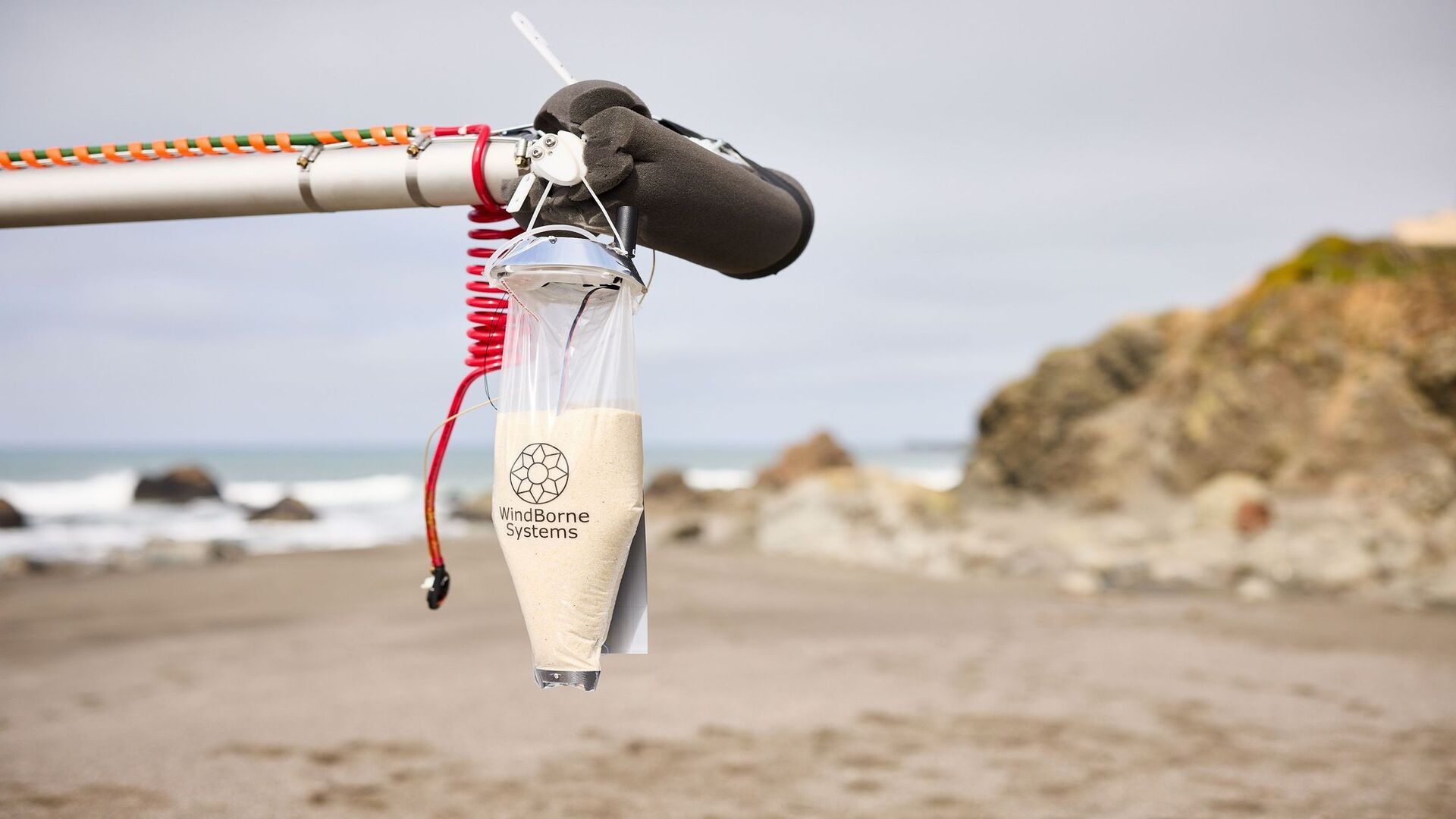
WindBorne Systems, a California-based startup, has secured a potential $49 million contract with the US Air Force for atmospheric measurements gathered by autonomous weather balloons. The military has placed orders worth about $1.7 million so far, which will depend on the specific needs of military operations. WindBorne operates about 700 balloons worldwide, collecting atmospheric data for customers who use it to develop AI systems for weather forecasting.
Unlike conventional aircraft, these balloons can change altitude to encounter specific wind patterns, adjusting their buoyancy through air release and sand ballast. The military's agreement allows them to request measurements for specific locations and periods, rather than purchasing a fixed quantity of information.
Founded in 2026, WindBorne became the first company to guide an unpowered flight system into a typhoon's eye, collecting valuable data. The company's success in this area stems from having good wind and weather models, navigating them effectively, and maintaining a large enough fleet of balloons in the right locations. The military's contract, awarded without competing bids, was given due to WindBorne's unique ability to provide this global data collection capability.
The AI forecasting system developed by WindBorne, called WeatherMesh 6, claims to outperform traditional methods used by the European Centre for Medium-Range Weather Forecasts, which rely on atmospheric physics simulations.
Written by urgent.news from TechRadar's reporting — not their text. Machine-written — may contain errors; check the original before relying on it.