The Significance Of Protests In The ‘Mother Of Democracy’
BJP spokesperson and member of parliament Sandeep Patra criticised the October 10 Cockroach Janta Party (CJP) protest at Jantar Mantar, calling it an attempt to create unrest. He said the protest did not reflect the mood of the nation, which, he said, remained peaceful, adding Jantar Mantar’s story is not India’s story. Describing the protesters as “anarchist forces” and calling Rahul Gandhi an…
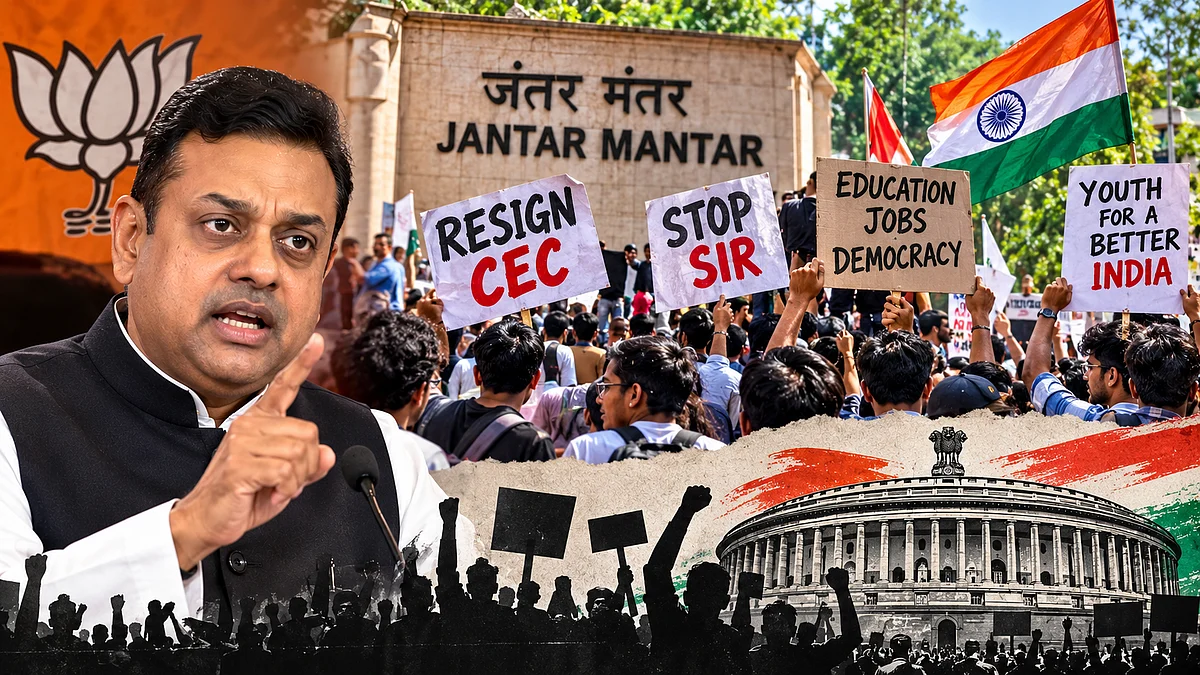
The protest at Jantar Mantar, organized by the Cockroach Janta Party (CJP), has garnered significant attention in India's democratic landscape. BJP spokesperson Sandeep Patra dismissed the protest, branding it an attempt to create unrest and accusing the organizers of being "anarchist forces". However, this dismissal inadvertently highlighted the significance of protests in India, often referred to as the "mother of democracy" by Prime Minister Narendra Modi.
The protests began as a grievance against exam irregularities and a demand for educational reforms, but have since expanded to encompass various concerns, including the dismissal of the Chief Election Commissioner and the flawed Student Information Report (SIR). These issues are not isolated but represent a broader pushback against opaque governance and anti-democratic policies under the ruling dispensation.
Protests have been a crucial aspect of India's democratic evolution, with numerous political and grassroots movements serving as vital checks on power. Dissent and protest are integral to a healthy democracy, allowing individuals to voice their concerns and challenge the status quo. While not all protests are progressive, they often signify the presence of diverse opinions and the demand for accountability.
Labeling protestors as anarchists or labeling them as anti-national for seeking accountability and asserting constitutional rights is an attempt to limit the boundaries of legitimate dissent. A democratic state thrives when citizens have the right to disagree and express their opinions, even if these opinions are flawed or contradictory. The challenge lies in balancing the need for uniformity with the appreciation of diversity in a democratic society.
India's democratic journey has been marked by countless protests and agitations, each serving as a testament to the resilience of its citizens and the strength of their democratic ideals. As the nation continues to grapple with issues of governance and accountability, protests remain a vital tool for citizens to challenge the established order and demand a more transparent and equitable society.
Written by urgent.news from Free Press Journal's reporting — not their text. Machine-written — may contain errors; check the original before relying on it.