The Shift From Owning Trucks To Subscribing To Them, And What It Means For Fleet Finance
The trucking industry has fallen in love with two phrases that get tossed around in conference rooms and press releases without anyone stopping to explain them, and if you have heard the terms truck as a service and driver as a service and nodded along while quietly wondering what they actually mean for the money […] The post The Shift From Owning Trucks To Subscribing To Them, And What It Means…
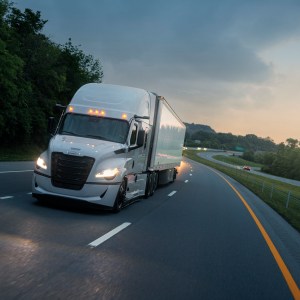
The trucking industry has embraced the concepts of "truck as a service" and "driver as a service," but few understand what these terms truly imply for the financial implications of operating a fleet. At a recent discussion with Daimler Truck and Daimler Truck Financial Services, these ideas were dissected in a way that clarified their implications for fleet finance.
Traditionally, purchasing a truck involved buying the vehicle, securing financing separately, and paying for maintenance, insurance, and other expenses. However, the emerging model offered by manufacturers merges these costs into a single, predictable payment. This integrated service, known as "trucking as a service," encompasses financing or leasing, scheduled maintenance, repair contracts, insurance, telematics, extended warranties, and even the residual value of the equipment, all bundled into one monthly fee.
Stephan Unger, chairman of Daimler Truck Financial Services, explained that the shift from traditional financing to an integrated solutions company is driven by a desire for simplicity and ease of doing business. By consolidating all services under a single provider, carriers can focus more on moving freight rather than managing multiple vendors and invoices.
The most comprehensive version of this model is full-service leasing, where customers do not own the truck but pay for a working vehicle. Daimler's Charterway unit in Europe, for instance, provides over 6,000 trucks on a short-term and long-term rental basis, allowing customers to concentrate on transporting goods while the provider manages the machinery and associated costs.
The key benefit highlighted is reduced downtime, as the provider supplies a replacement truck if an issue arises, ensuring customers can meet their commitments.
In North America, Daimler partners with companies like Penske and Ryder to offer full-service leasing through a third-party fleet, with the manufacturer's services provided separately. The financial services arm of Daimler operates in 21 countries with assets under management exceeding €30 billion and a strong credit rating, underscoring the company's capability to support such comprehensive offerings.
The newer concept, "driver as a service," emerged due to the advent of autonomous trucks. Rather than paying for a driver, the cost is now a per-mile subscription for the autonomous software that controls the truck. Daimler's model involves pairing a Freightliner Cascadia chassis with a virtual driver from its subsidiary Torc Robotics.
The autonomous system is scheduled to hit the road by the end of the year, with commercial deployment anticipated by 2028. This model separates the capital cost of the truck from the running costs of the driving software, allowing carriers to pay for the truck's capability as a service.
The shift to these models raises questions about ownership and control. Daimler's leaders acknowledged that ownership depends on the customer's choice, offering flexibility through various financial arrangements. Customers can choose to own the truck outright, lease it, or combine services to suit their cash flow and operational needs.
In North America, the trend towards leasing remains steady, with a gradual increase in interest in bundled service models. This evolution in fleet finance reflects a broader trend towards operational efficiency and reducing the administrative burden on carriers.
Written by urgent.news from FreightWaves's reporting — not their text. Machine-written — may contain errors; check the original before relying on it.