The debate over immunity to CEC, ECs
The SC has issued a notice to the Centre on a plea challenging Section 16 of the 2023 law, which grants CEC and ECs lifelong immunity for actions taken in discharge of official duties; the provision is more expansive than constitutional immunities provided to the President and Governors; as well as Parliamentary privileges granted to legislators
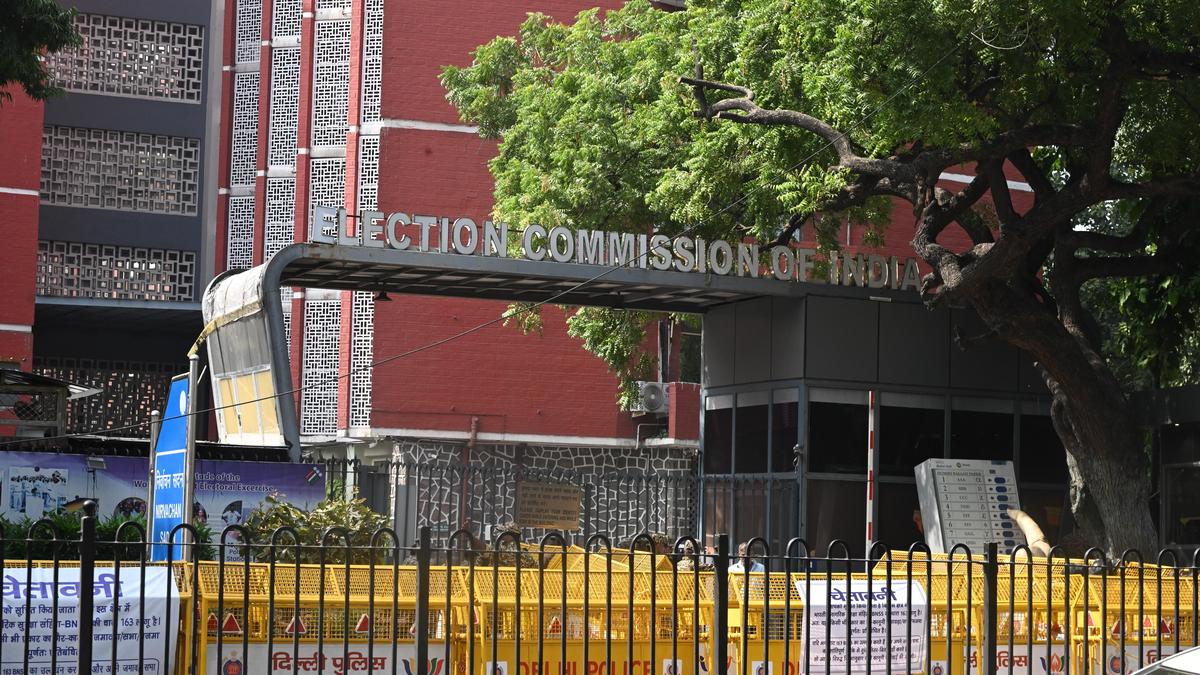
The debate over immunity for Chief Election Commissioners (CEC) and Election Commissioners (ECs) has recently escalated in India, with the Supreme Court issuing notices to the Centre on a petition filed by the Association for Democratic Reforms (ADR). This controversy revolves around Section 16 of the 2023 law, which grants these election officials lifelong and unconditional immunity for actions taken in the discharge of their official duties.
The provision, not originally part of the Bill introduced in Parliament, includes a broader scope than constitutional immunities offered to the President, Governors, and parliamentary privileges granted to legislators. The Supreme Court has questioned the constitutionality and rationality of this expansive immunity, comparing it to existing protections for high-ranking officials like judges, CAG, Public Service Commission Chairpersons, Lokpal, Lokayuktas, and Information Commissioners.
The inclusion of this clause, while the Bill was being passed, lacked any justification in the 'Statement of Objects and Reasons,' raising concerns about the arbitrary nature of the immunity granted. Critics argue that such lifetime and unconditional immunity for election commissioners contradicts the principle of equality before the law enshrined in Article 14 of the Constitution.
Moreover, they point out that similar immunities are not extended to other constitutional authorities, highlighting a lack of consistency in the application of these protections.
Written by urgent.news from The Hindu's reporting — not their text. Machine-written — may contain errors; check the original before relying on it.