Ten years of fighting against extinction brought to life on film
From "spring-loaded woylies" to nocturnal stake-outs, the Australian Wildlife Conservancy shares the effort behind the country's biggest reintroduction scheme.
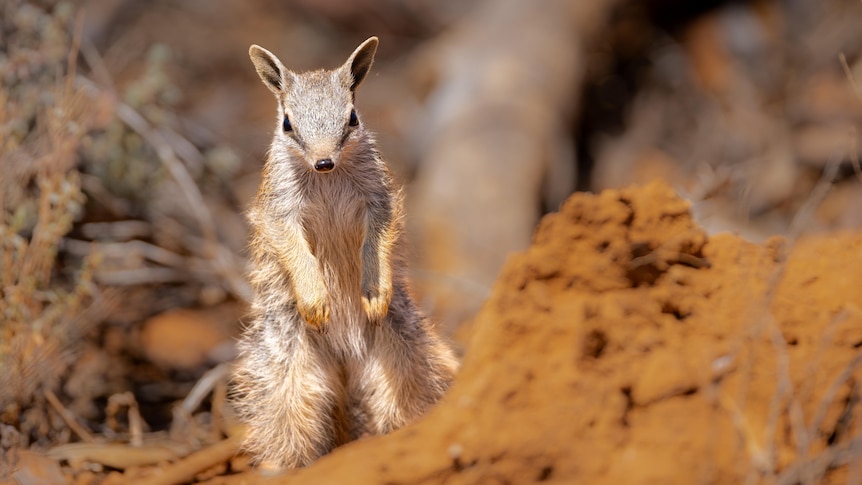
A wildlife documentary, titled Back to the Bush, has been showcased at an international film festival. The film was created by the Australian Wildlife Conservancy (AWC) and chronicles a 10-year project aimed at rehabilitating 10 endangered species within a predator-free sanctuary. Led by AWC photographer and videographer Brad Leue, the documentary features hundreds of hours of footage of native wildlife at the Mt Gibson Wildlife Sanctuary, located 360 kilometers northeast of Perth in Western Australia.
The project involved constructing a predator-free fence to protect these threatened species, and Leue expressed his excitement at sharing Australia's largest reintroduction project with a global audience. Burrowing animals, known as ecosystem engineers, significantly transformed the landscape over the decade, creating a "minefield" of pits and burrows.
The film highlights the often-challenging task of capturing small, nocturnal animals, which Leue addressed using unmanned video camera traps and night-time stake-outs. He emphasized the importance of creativity when filming these elusive creatures. AWC senior wildlife ecologist Bryony Palmer, who played a crucial role in the reintroduction effort, was overjoyed to witness the project's long-term impact.
Most of the 10 species are now thriving on the sanctuary, with their populations showing significant improvement. The surrounding landscape, too, has undergone a remarkable change, with signs of burrowing and footprints evident everywhere. Dr Palmer emphasized that the bush and landscape are returning to their natural state, a testament to the success of the project. The next step for the AWC is to reintroduce some of the species beyond the predator-free boundary.
Written by urgent.news from ABC News AU's reporting — not their text. Machine-written — may contain errors; check the original before relying on it.