Telecom firms, science ministry urged to prove 5G standalone reliability
The planned rollout of 5G standalone (SA) services is renewing calls for telecom operators and the ICT ministry to deliver more reliable connections amid concerns that the transition could repeat the shortcomings of the initial 5G rollout unless consumers see tangible improvements in service quality. The Ministry of Science and ICT made the 5G SA adoption a policy priority late last year,…
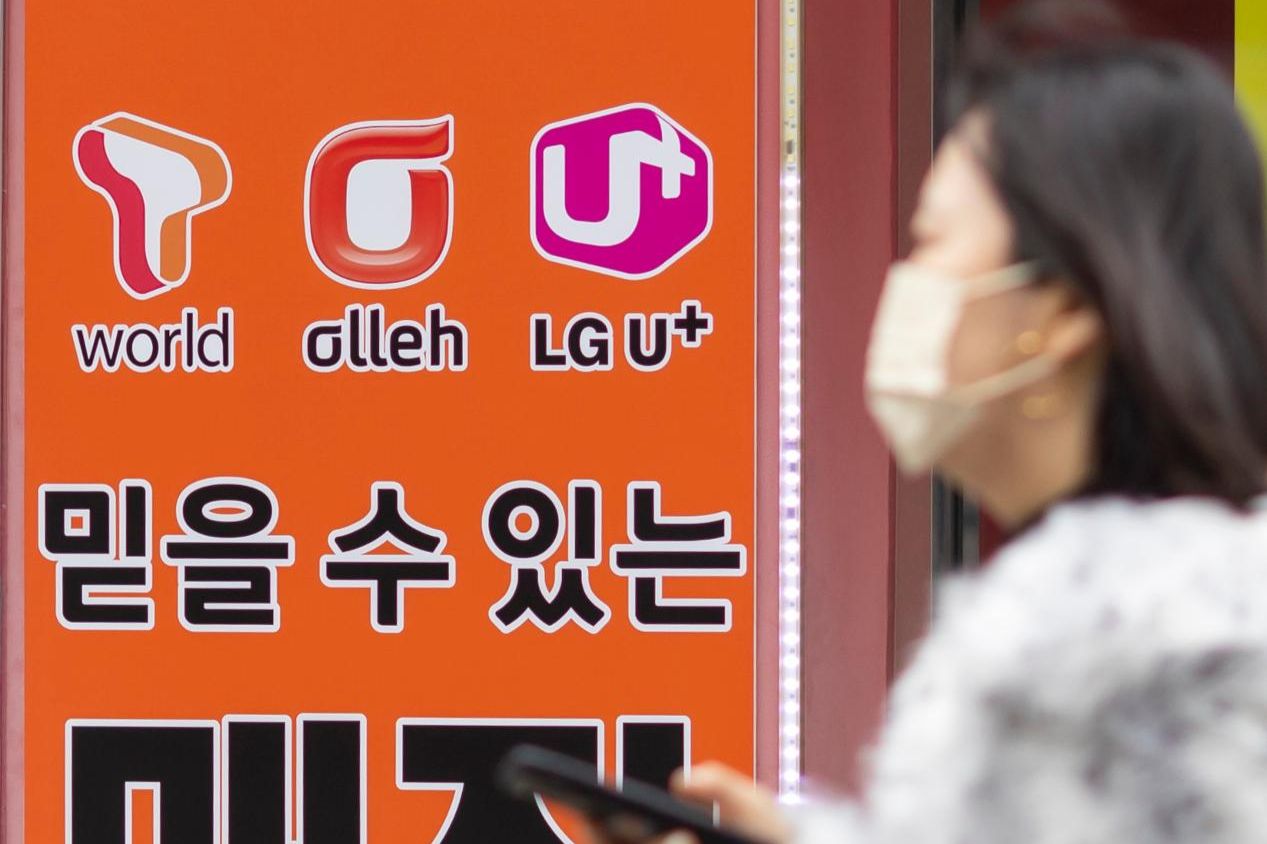
The impending launch of 5G standalone (SA) services is prompting telecom companies and the ICT ministry to address reliability issues, as fears arise that the transition could mirror early 5G network shortcomings if consumers do not experience tangible service quality enhancements. The Ministry of Science and ICT designated the adoption of 5G SA as a policy priority earlier this year, mandating telecom providers to migrate to the technology as a prerequisite for spectrum reallocation.
Leading operators SK Telecom and LG Uplus aim to introduce commercial 5G SA services by year-end, following KT's March rollout of SA support for the iPhone 17 series. Unlike previous 5G networks that depend on a 4G LTE core, 5G SA employs a separate 5G core to minimize latency and facilitate advanced applications like autonomous driving and physical AI.
However, the push forward is met with lingering doubts about service reliability, as users have endured higher costs without significant improvements over LTE during the initial 5G transition. Operators seeking to raise prices for SA-based services face scrutiny over the lack of tangible benefits for consumers.
Written by urgent.news from The Korea Times's reporting — not their text. Machine-written — may contain errors; check the original before relying on it.