Subsidi logistik bantu barang asas kekal mampu dibeli di Sabah, Sarawak
Ahli ekonomi berkata bantuan pengedaran penting untuk penduduk pedalaman, namun pelaksanaan dan penambahbaikan infrastruktur perlu bergerak seiring.
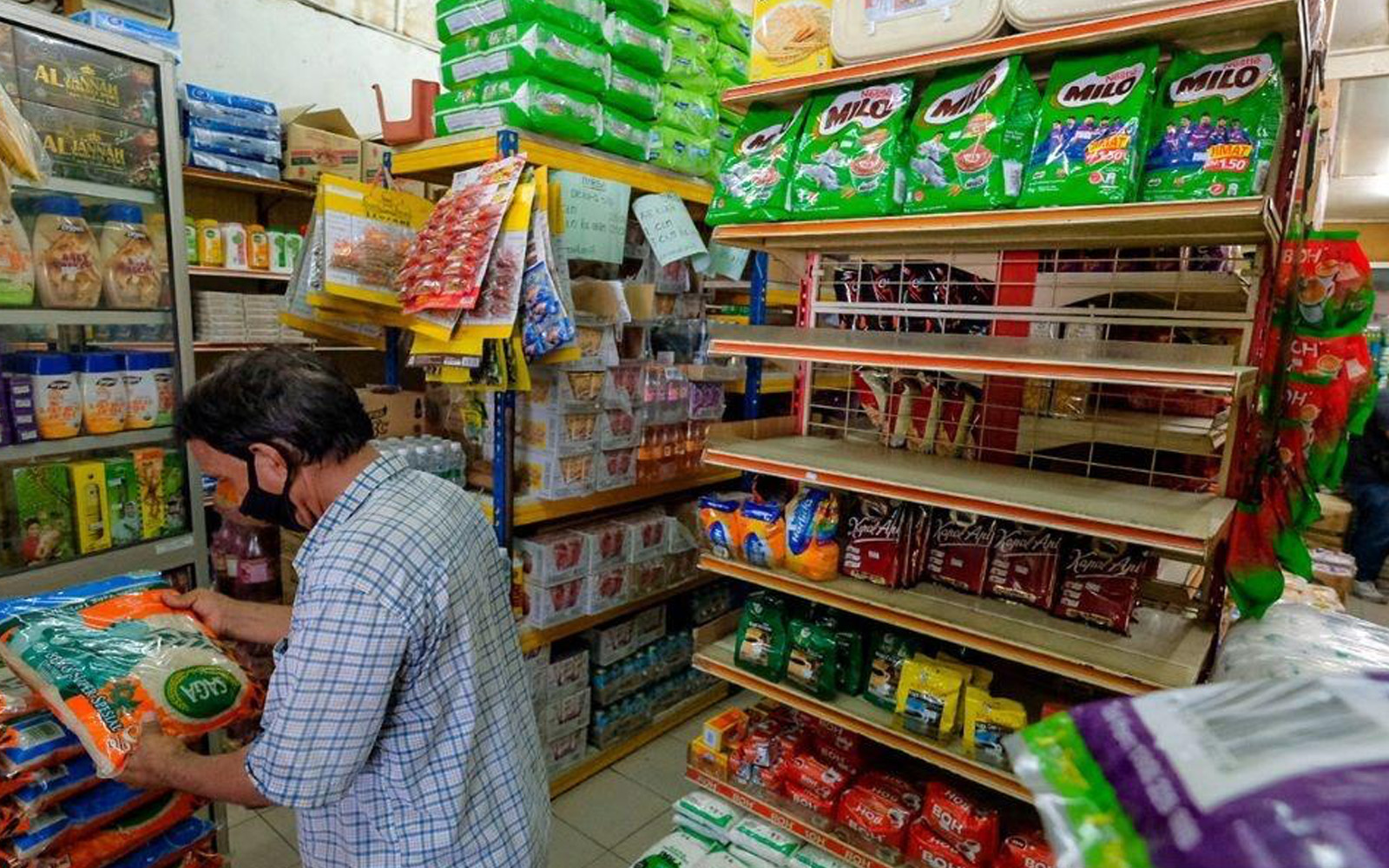
Economist Firdausi Suffian highlighted the importance of logistics subsidies in ensuring essential goods remain affordable for the people in Sabah and Sarawak's hinterland, citing the geographical challenges and limited transport networks. Speaking to FMT, Firdausi Suffian explained that transporting goods from the mainland involves costs for ships, security, and transport, plus logistical expenses to deliver them to the backwaters.
These costs ultimately increase the prices of goods. In the 2027 budget, the government allocated RM250 million for expanding the supply of essential goods to rural and hinterland areas, including six new locations such as Kampung Terian in Penampang, Sabah and Kampung Dato' Godam in Pusa, Sarawak. The Distribution of Essential Goods Program has also allocated RM250 million for 2026.
Previously, the Ministry of Domestic Trade and Household Income (KPDN) identified 1,570 sales outlets under the program, 1,480 of which were in Sabah and Sarawak. Firdausi noted that cash assistance programs like Rahmah Cash Grant (STR) and Basic Rahmah Grant (SARA) improve household purchasing power, while logistics subsidies help reduce the cost of supplying goods.
By reducing transportation and distribution costs, these measures prevent the burden from being shifted to consumers and complement the government's efforts to manage the burden of living expenses. However, Firdausi pointed out concerns about whether the RM250 million allocation is sufficient when expanding the program to six new locations.
He emphasized the need to improve roads and transportation networks to facilitate the delivery of goods to the hinterland. Firdausi stated that such subsidies should not replace better infrastructure and improved transportation links. According to him, addressing the infrastructure gap over the long term could reduce dependence on logistics subsidies, allowing more funds to be allocated to other forms of social assistance.
UiTM's Tan Peck Leong stressed that the success of the program should be evaluated based on prices and availability of supplies in the target areas, not just the allocation amount. Tan also suggested that KPND publish price comparisons before and after program implementation, ensuring sufficient supply and compliance with approved price levels.
He proposed that KPND collaborate with contractors, engineers, cooperatives, and village shops to leverage existing distribution networks. The people of Sabah and Sarawak's hinterland should not pay significantly more for basic necessities because of where they live.
Written by urgent.news from Free Malaysia Today's reporting — not their text. Machine-written — may contain errors; check the original before relying on it.
Also reported by 1 other outlet
- Subsidi logistik bantu barang asas kekal mampu dibeli di Sabah, Sarawak freemalaysiatoday.com