Startup makes tiny 'benchtop' fusion devices for more efficient reactors
Cambridge Heavy Industries is exploring ways to produce nuclear fusion and fuel in a smaller area.
Nuclear fusion, the process that powers stars like our Sun, could potentially provide an abundant and clean energy source for Earth. However, the challenge lies in creating a compact, efficient fusion device. Two main approaches are being explored: one using powerful magnets and the other employing lasers. Cambridge Heavy Industries, a startup hidden away from the public eye within MIT's facilities, is focused on the laser approach.
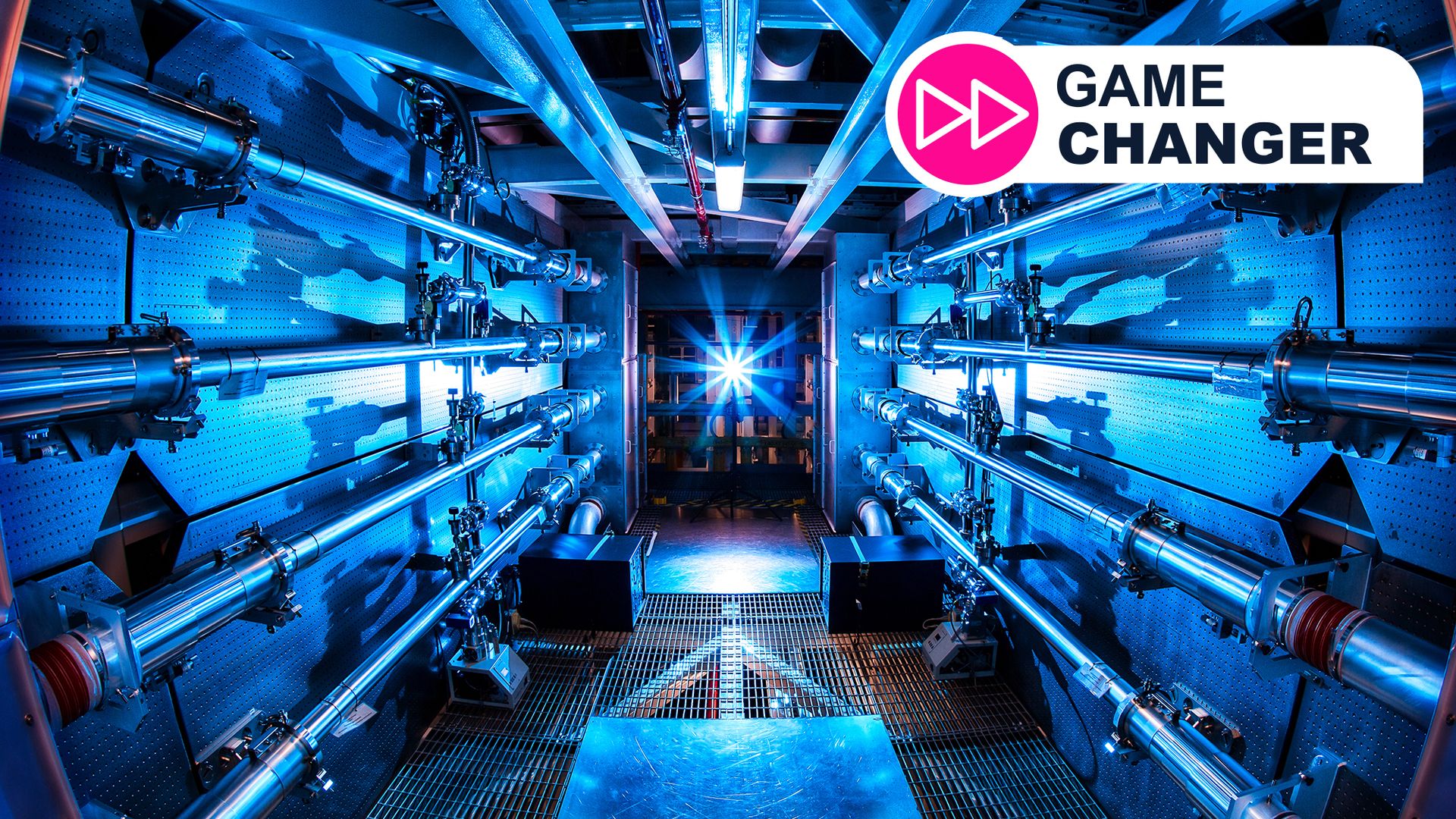
The company's co-founder and CEO, Yun Kai, reveals that their fusion device is tiny and benchtop-sized, allowing for rapid experimentation and improvement. The secret behind their innovation is a dual laser system. The first laser creates shock waves that compress the fuel block, while the second laser hits the wave at just the right spot to generate the high pressure needed for ignition and nuclear fusion.
This compact, 2D setup is more efficient than the conventional 3D approach used by other fusion reactors. Currently, Cambridge Heavy Industries' benchtop device is focused on producing tritium, a key fuel for nuclear fusion, rather than generating electricity. The ultimate goal is to develop a self-contained, compact fuel factory and eventually scale up the technology into a full-sized reactor for electricity generation.
Despite not yet producing electricity, the dual-laser system allows for rapid experimentation and iteration, with the potential to produce 50-80 laser shots per day. The long-term plan is to make nuclear reactors self-sufficient by generating their own tritium. While the technology is still in its early stages, the potential to revolutionize energy production and supply is undeniable, making Cambridge Heavy Industries a key player in the race to harness nuclear fusion.
Written by urgent.news from TechRadar's reporting — not their text. Machine-written — may contain errors; check the original before relying on it.