Sound cards are pointless for most people, but there's one reason I still put one in every build
It's not sound quality. It's my headphones.
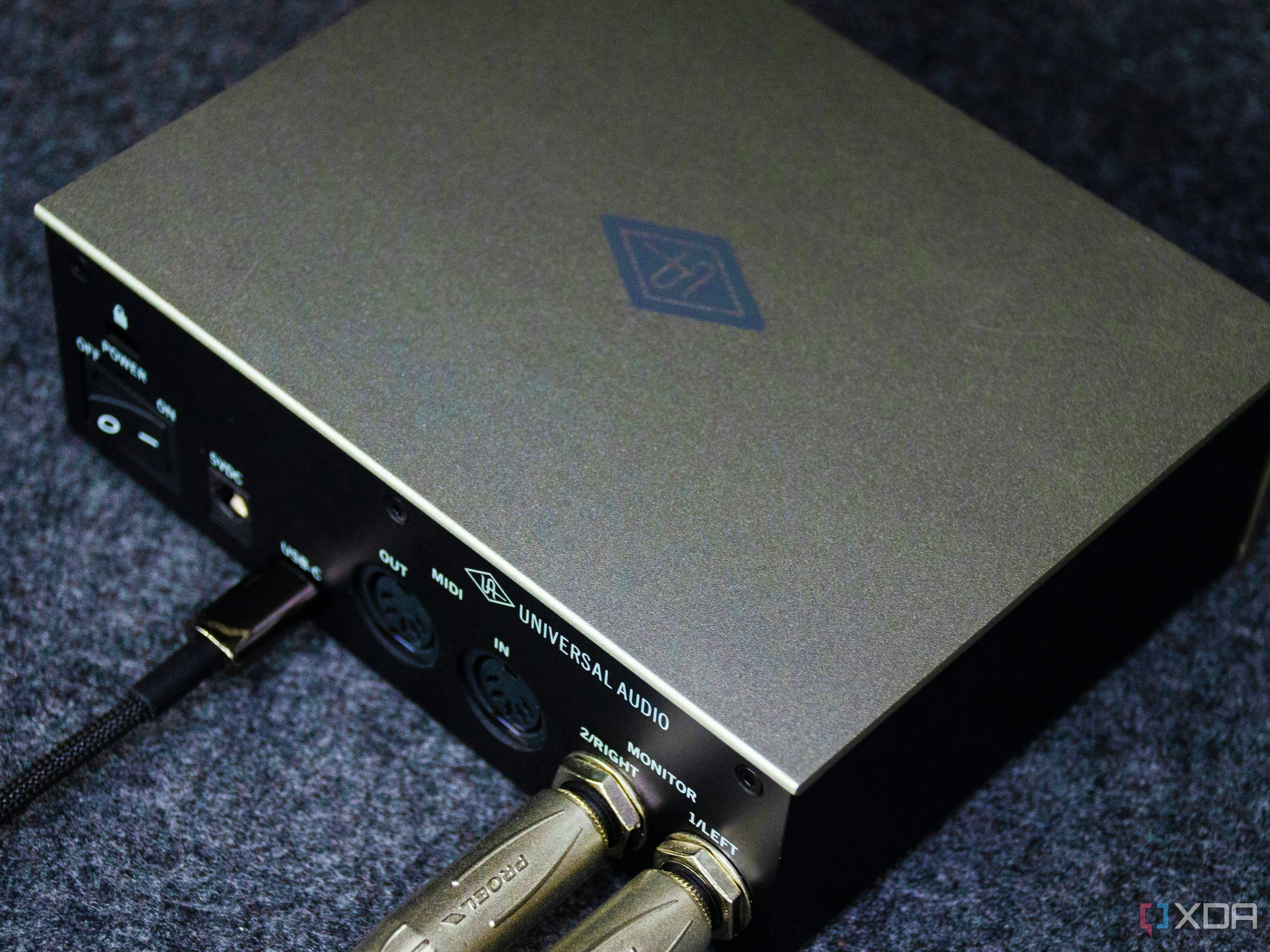
For the vast majority of individuals, purchasing a sound card is not advisable. Over time, onboard audio has significantly improved, headsets have transitioned to USB, and sound cards have become a niche market. Despite this, I have consistently included a Creative Sound Blaster AE-9 in every desktop build since 2020. The primary reason behind this decision lies in my use of 250-ohm Beyerdynamic DT 990 Pro studio headphones.
These headphones require an additional headphone amplifier, as a standard motherboard jack cannot sufficiently power them. The AE-9 incorporates a built-in headphone amplifier, which has remained a consistent audio upgrade across multiple builds. The decision to invest in a sound card ultimately depends on the impedance rating on your headphones' packaging.
For most individuals, with headphones rated at 32, 48, or even 80 ohms, a sound card is unnecessary. However, if you engage in gaming using a USB or wireless headset, Bluetooth earbuds, or your TV's speakers, a sound card is not essential, as these peripherals possess their own built-in DAC and amp, eliminating the need for one.
While spatial audio, once a significant selling point for sound cards, now exists as software like Windows Sonic, headphone manufacturers have adjusted as well. Beyerdynamic, known for its high-impedance headphones, now offers a 48-ohm model that works well with a wide range of playback devices. In cases where the specifications on the box indicate 32, 48, or even 80 ohms, it is best to allocate your budget towards better headphones rather than a sound card.
However, if you possess 250-ohm headphones and have a desktop with an available slot, a real amplifier integrated into a sound card can prove beneficial, especially when combined with other audio components.
Written by urgent.news from XDA Developers's reporting — not their text. Machine-written — may contain errors; check the original before relying on it.