Sifuna’s foreign flags: An Abuse of Kenya’s territorial integrity and sovereignty
In the tense run-up to Kenya’s 2027 elections, almost nothing a politician does is without meaning. Symbols matter. When Nairobi Senator Edwin Sifuna shared photos from his consultations with aspirants in Webuye under the Linda Mwananchi banner, people noticed something immediately. Behind him stood the flags of the United States and the United Kingdom. The […] The post Sifuna’s foreign flags: An…
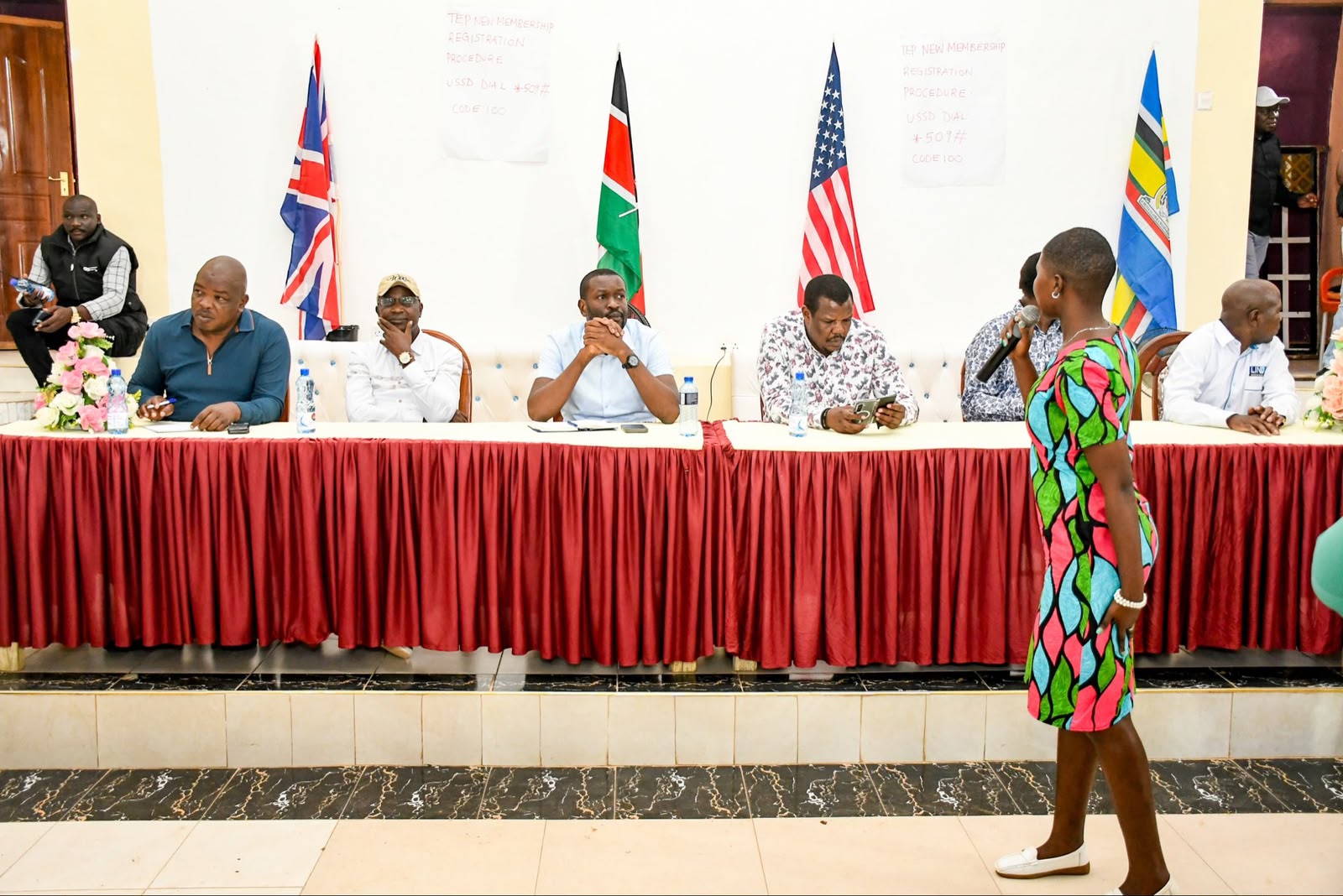
As Kenya gears up for the 2027 elections, every political move becomes significant. Symbols play a crucial role. During Nairobi Senator Edwin Sifuna's consultations with Webuye aspirants, he was seen under the Linda Mwananchi banner alongside the flags of the United States and the United Kingdom. This raised immediate concerns about legitimacy, identity, and what it means to lead post-colonial Kenya.
The Kenyan flag, with its colors and symbols, represents the people, the sacrifices made, the land, peace, and the defense of freedom. It was designed to break away from the British Union Jack and the foreign symbols that once dominated power. Placing foreign flags behind a politician presenting himself as an advocate for ordinary citizens is not just poor judgment; it is an abuse of Kenya's territorial integrity and sovereignty.
Sovereignty extends beyond the Constitution and is demonstrated through the choices leaders make in their daily lives. When foreign national flags overshadow Kenyan symbols in political settings, the message sent is clear. It softens the hard-won independence and dilutes the boundary of what independence was intended to establish.
While meetings with foreign diplomats are normal and necessary, a private consultation with local aspirants should not showcase foreign flags alongside Kenyan ones. A serious candidate for national leadership must control the narrative. The public should see a Kenyan politician speaking to Kenyans, not Western flags dominating the backdrop of a domestic political gathering.
African leaders who fought for independence understood this principle. They ensured that the symbols of the old order did not dominate the political landscape. Those who later sought Western aid or security cooperation maintained the national flag's prominence in public settings. This disciplined approach was not out of paranoia but a firm assertion of ownership over the country's political stage.
The same standard should apply today. Foreign flags have their place at embassies, trade forums, and official state-to-state meetings. They do not belong in grassroots political consultations in Kenya. Sovereignty is not an abstract concept confined to courtrooms and international conferences. It is practiced in the everyday decisions leaders make about what they project when addressing Kenyans.
In a nation grappling with external influence, these choices are not superficial. They reveal where a politician's primary allegiance truly lies. Sifuna and his team had the opportunity to prioritize Kenyan symbols first. Instead, they allowed foreign flags to share the stage on Kenyan soil. This is not a minor aesthetic mistake; it is an avoidable abuse of the territorial integrity and sovereignty that generations of Kenyans fought to achieve.
Written by urgent.news from KBC's reporting — not their text. Machine-written — may contain errors; check the original before relying on it.
This story
This is one outlet's version. Read the fullest account.