Satellite radiation: blocking the view
The findings suggest protecting the interests of astronomers requires operators to regulate licensed transmissions as well as stray radiation from onboard electronics
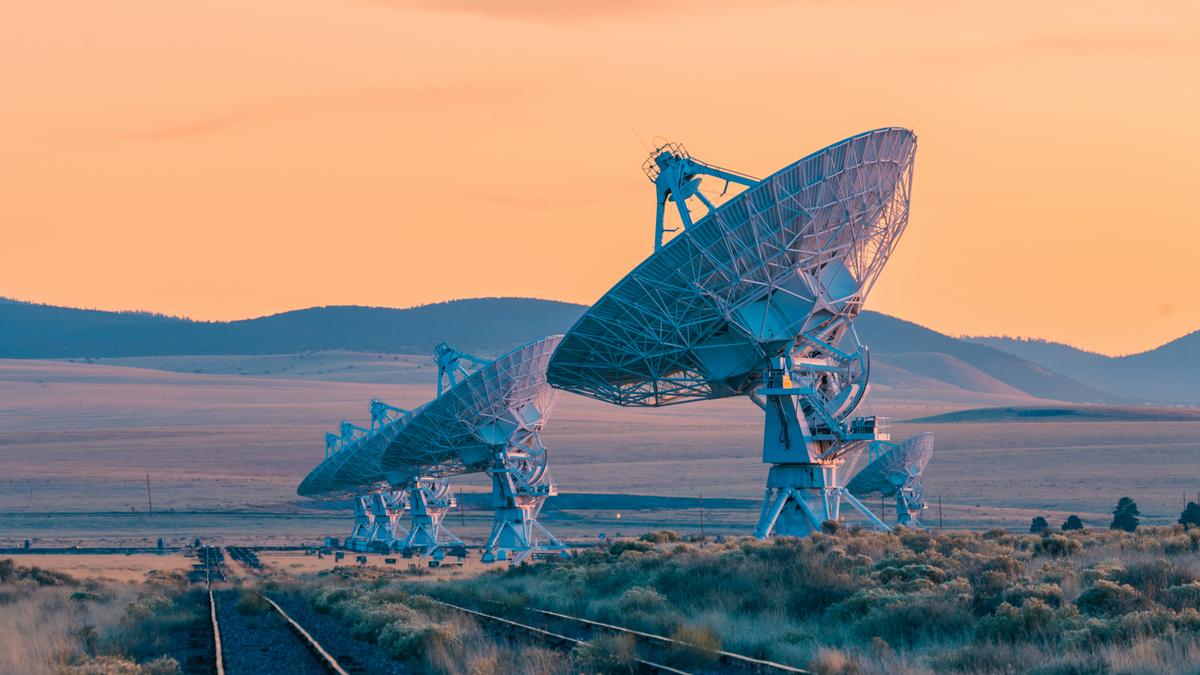
A recent study published in the Monthly Notices of the Royal Astronomical Society has uncovered significant interference caused by satellite radiation, specifically from communications satellites in low-earth orbit. The research, conducted using the Mopra radio telescope and the Australia Telescope Compact Array, monitored satellite transmissions from Starlink, OneWeb, and China’s Guowang constellations over a period of nearly 376 hours.
The findings highlight three categories of radiation: intended transmissions (like Starlink's direct-to-cell signals), unwanted emissions (such as signals at harmonic frequencies), and unintended radiation (emissions from onboard electronics). The study also identified a problematic signal from the OneWeb constellation at 1,613.19 MHz, which could interfere with telescopes studying hydroxyl ions.
Additionally, radiation at 2,700 Hz was observed in nearly 77% of observations from certain Starlink satellites, with some signals being 100-billion-times brighter than typical astronomical sources. The researchers suggest that operators should regulate both licensed transmissions and stray radiation from onboard electronics to protect astronomical interests.
They also advocate for continuous monitoring of satellite emissions, especially as direct-to-cell services expand through private enterprises like Starlink and Amazon Leo, as current climate-related regulations like the Paris Agreement do not cover space exploration.
Brief written by urgent.news from The Hindu - Sci-Tech's own syndicated text. Machine-written — may contain errors; check the original before relying on it.