Orionid meteor shower: When, where and how to watch it from India; tips for the best views and more
The Orionid meteor shower peaks around 21–22 October, with India’s best viewing before dawn on 22 October, after moonset.
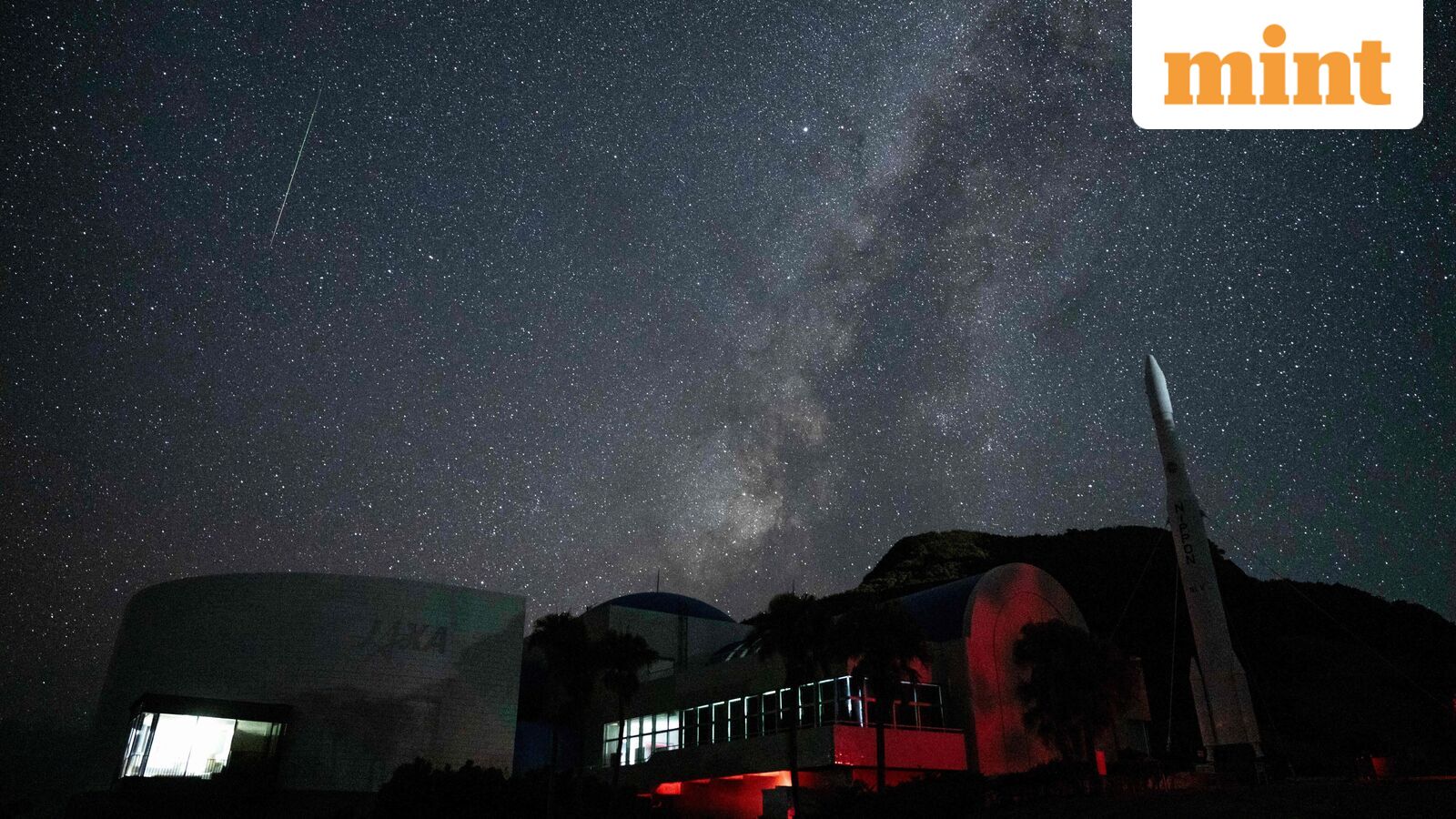
The Orionid meteor shower will reach its peak between October 21 and 22. Indian skywatchers should plan an early morning outing for the best views, as these meteors are often faint. The optimal viewing period occurs after moonset and before dawn. In Mumbai, this window is approximately 3:30 AM to 5:15 AM according to Stargazing Mumbai.
Moonlight decreases the chances of spotting faint meteors, so moonset is crucial for optimal viewing conditions. The Orionid meteors originate from the dust and debris left behind by Halley's Comet, which Earth passes close to every October and May. When viewed from India, the radiant point of the meteors rises above the horizon around 10-11 PM and climbs higher through the night, improving viewing conditions after midnight.
For the best viewing experience, choose a dark rural location away from bright city lights. Artificial lighting can obscure the shower’s weaker streaks. Settle into a comfortable position, such as a reclining chair or sleeping bag, and allow your eyes to adjust. Once adjusted, observe a broad stretch of sky rather than focusing on a single patch. Before moonset, face east or northeast and keep the Moon behind you. After the Moon sets, lie back and look overhead and towards the east, taking in as much open sky as possible.
The peak of the Orionid meteor shower can produce around 10-20 meteors per hour under dark, moonless conditions. However, with moonlight present, viewers under typical rural skies may see only a handful. These averages are not definitive, and sightings can arrive in bursts. Quiet periods between meteors are normal, so patience is key.
The Orionids are composed of dust and debris left behind by Halley's Comet. Earth crosses the comet's orbit twice a year, resulting in two meteor showers: the Epsilon Perseids in May and the Orionids in October. Some Orionid meteors leave glowing trails that linger in the sky. These meteors enter our atmosphere at approximately 66 km/s.
Written by urgent.news from Live Mint's reporting — not their text. Machine-written — may contain errors; check the original before relying on it.
This story
This is one outlet's version. Read the fullest account.