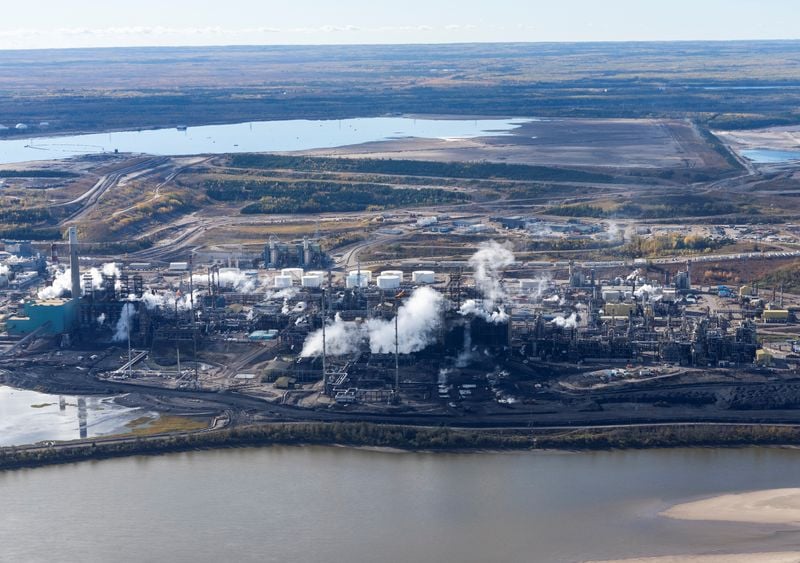
NTPC targets 30 GW nuclear capacity by 2047: Water, land, seismic safety and other factors that matter in site selection
NTPC plans feasibility studies for nuclear power projects in more Indian states, including Uttar Pradesh. Assessments will consider water supply, land, population, environmental impact, transport, infrastructure, geology, costs, timelines, grid access and electricity demand.
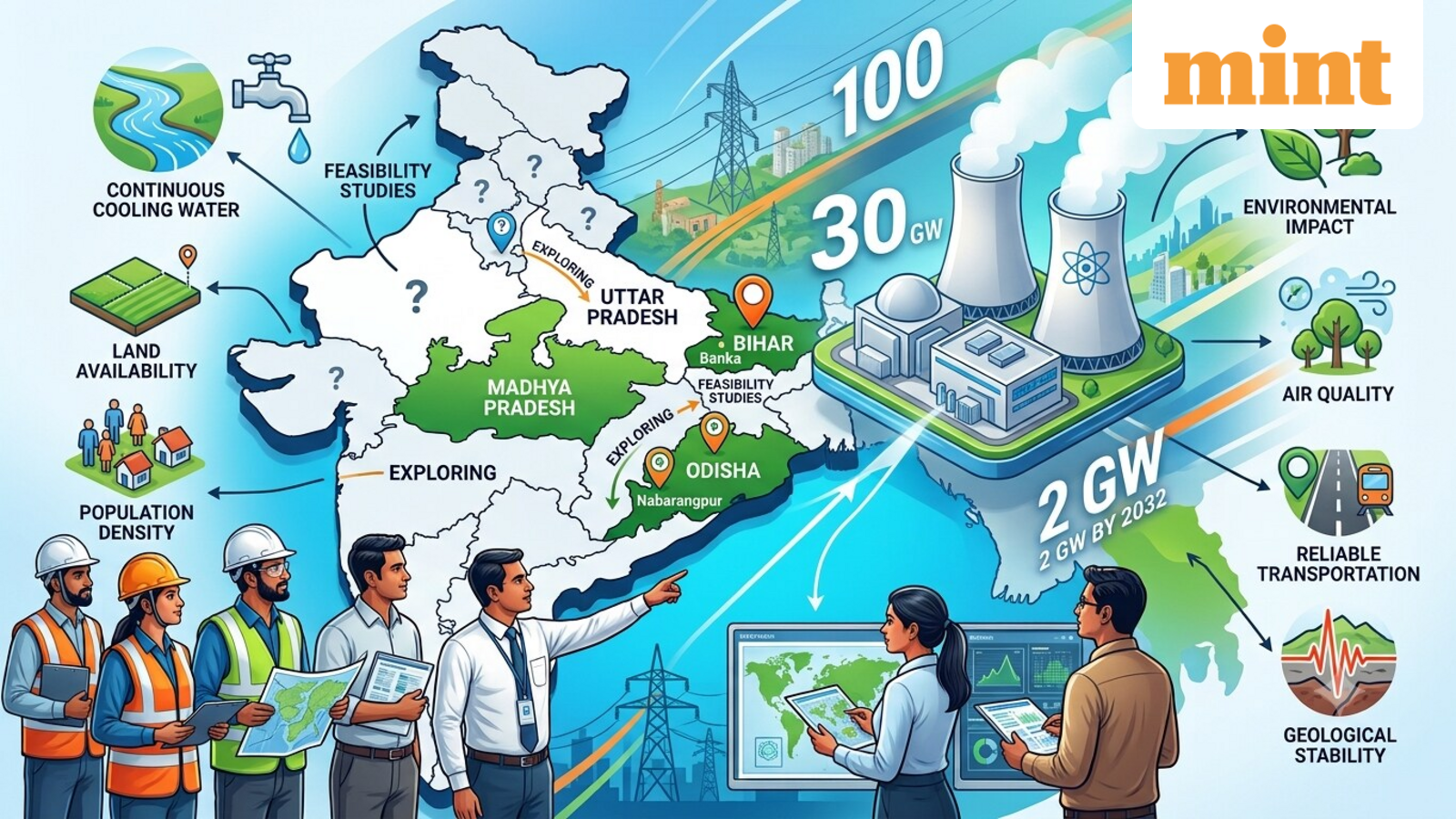
The National Thermal Power Corporation (NTPC) aims to establish 30 GW of nuclear power capacity across India by 2047 as part of its strategy to diversify energy generation beyond fossil fuels, with the goal of reaching at least 2 GW by 2032. This plan includes conducting feasibility studies in several Indian states, such as Madhya Pradesh, Bihar, and Odisha, with the potential to explore additional locations.
Each proposed nuclear power plant would likely have an average capacity of 1,400 MW, comprising two units of 700 MW each. The company's site selection process involves evaluating key factors such as water availability, land suitability, seismic safety, population density, environmental impact, and transportation access. Essential considerations include the availability of a reliable and uninterrupted water supply for cooling and heat rejection, as well as sites with low population density to minimize displacement of villages and agricultural lands.
The NTPC will also consider access to railways, highways, ports for equipment transportation, construction materials, skilled labor, and accommodation facilities. Additionally, the company assesses the availability of land for reactor units, auxiliary facilities, and cooling infrastructure, as well as detailed examination of the ground beneath the proposed site to ensure it meets Atomic Energy Regulatory Board (AERB) codal requirements.
Written by urgent.news from Live Mint's reporting — not their text. Machine-written — may contain errors; check the original before relying on it.