Midterms: UBS assigns a 50% probability to a Democratic sweep
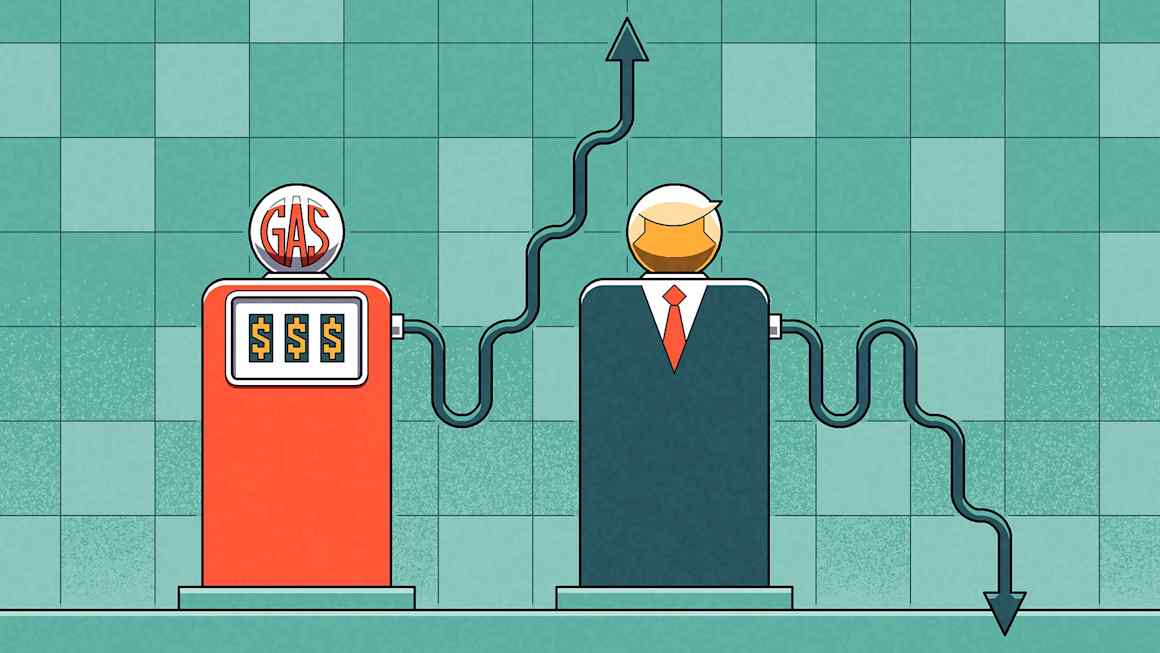
The U.S. mid-term elections are approaching, and investment firm UBS has assigned probabilities to various potential election outcomes. According to UBS, there is a 50% chance that Democrats will secure a sweep, a 40% probability of a divided Congress, and only a 10% likelihood of Republicans maintaining control. This assessment is influenced by President Trump's negative net approval rating, which stands at -21% and is attributed to factors such as high gas prices, rising mortgage rates, an unpopular Iran war, and broader affordability issues.
UBS predicts that the midterms, serving as a referendum on the current administration, will result in a shift from unified to divided government control. While Republicans are expected to retain many House seats in districts favorable to their party, polling data suggests enough seats will shift to Democrats to make a change in control increasingly likely.
Democrats only need to gain three House seats to achieve a majority in the 435-member chamber, a feat that UBS believes is achievable despite aggressive redistricting efforts by both parties.
In the Senate, Democrats require a net of four seats to reach a 51-seat majority, which would be facilitated by Vice President JD Vance acting as the tie-breaker in a 50-50 chamber. UBS anticipates Democrats defending all of their current seats, including the two contested open seats in Michigan and New Hampshire, while expecting one Republican-held pickup in North Carolina. The party would then need to secure three Republican-held seats in Alaska, Ohio, Maine, Iowa, Texas, and Kansas.
UBS acknowledges that while a Democratic sweep presents a narrow path for the party to take control of the Senate, close races and Alaska's ranked-choice voting system could prolong the outcome for weeks after Election Day. Regardless of the final result, UBS expects a narrow majority for Democrats, which would limit their ability to pass legislation without Republican support or overcome President Trump's vetoes.
Either outcome is likely to lead to a greater risk of government shutdowns and debt-limit brinkmanship, even if bipartisan agreements are reached on defense spending, social programs, and housing.
Written by urgent.news from Investing.com's reporting — not their text. Machine-written — may contain errors; check the original before relying on it.