Magnesium May Not Reach Your Brain, Despite Supplement Label Promises
Some of the many variants sold today promise to penetrate our gray matter, but biology isn’t in the habit of respecting marketing declarations.
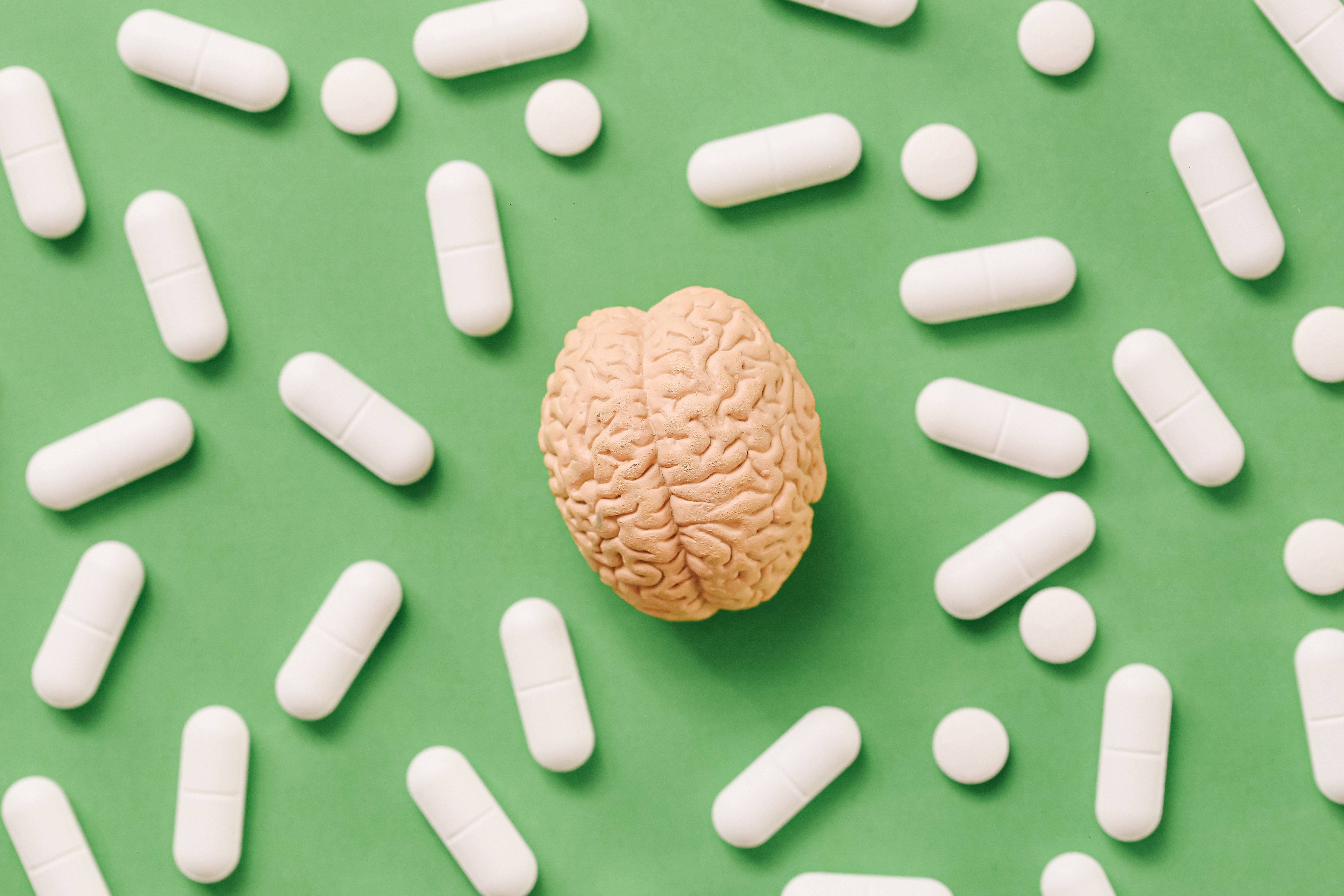
Magnesium is essential for our cells and neurons, but consuming extra magnesium doesn't necessarily enhance their function. The magnesium found in supplements isn't solely isolated; it forms a compound typically called a "magnesium salt." This compound must dissolve to release Mg²⁺, the form our bodies utilize. However, the extent of absorption varies based on factors like dosage, stomach content, and existing magnesium levels in the body.
Higher doses generally lead to less absorption. Moreover, some magnesium supplements, like magnesium oxide, are difficult to break down and primarily act as laxatives, drawing water into the intestines to expel excess salt. The marketing strategies often revolve around these supplements, claiming they target specific body parts, such as muscles or the brain, with magnesium.
However, these claims are frequently based on rodent experiments conducted over extended periods with higher doses than found in supplements.
A study involving rats revealed that magnesium L-threonate increased brain magnesium levels and improved certain learning and memory aspects. This has fueled overzealous marketing suggesting that this specific salt delivers magnesium directly to the brain. Yet, human studies offer mixed results. A few small randomized trials reported improvements in cognitive tests or sleep, but these trials often have limitations, such as short durations, limited outcomes, and potential conflicts of interest.
Additionally, these studies don't measure magnesium content in the brain. Consequently, while there might be a slight increase in magnesium in the brain, a supplement solely aimed at targeting the brain for magnesium is likely just an expensive laxative.
Written by urgent.news from Wired's reporting — not their text. Machine-written — may contain errors; check the original before relying on it.