Legs Still Aching After Garba? Orthopaedic Experts Share Tips To Recover From Muscle Pain And Stiffness
The music may have stopped, the dandiya sticks may be back in your bag, but your body might still be feeling last night’s Garba session! If climbing stairs suddenly feels like a workout or your knees, ankles and lower back are complaining the morning after, you are not alone. Hours of dancing, repeated turns and quick changes in direction can put a lot of stress on your muscles and joints,…
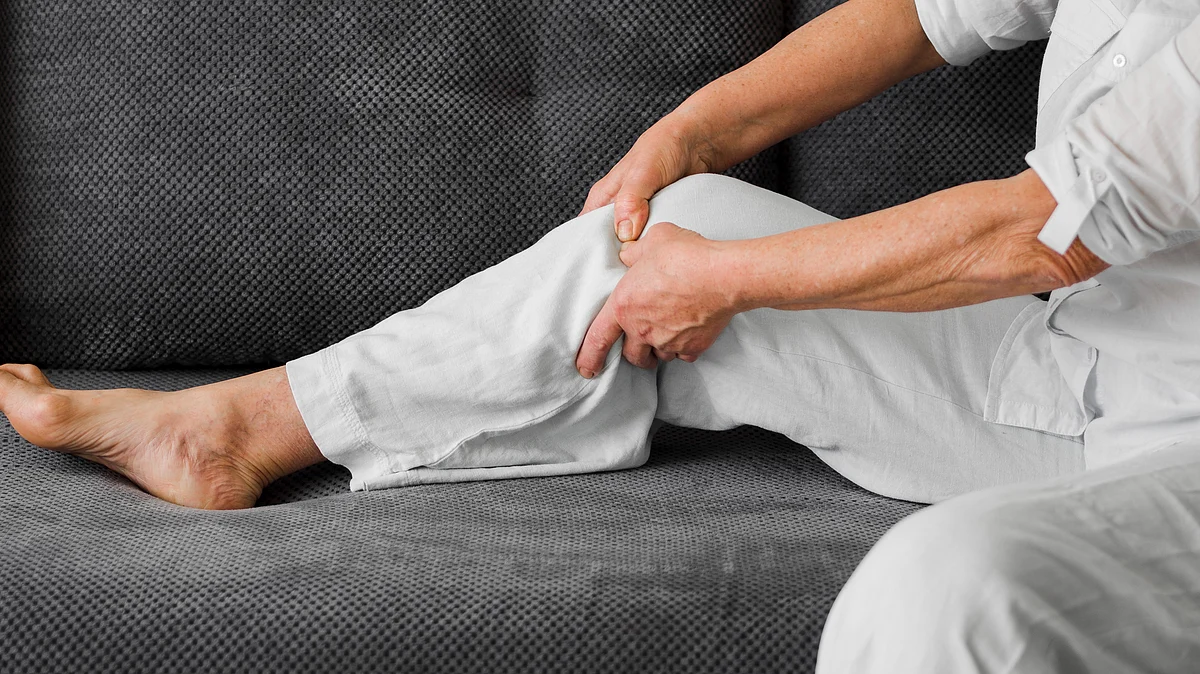
Dancing at a Garba event can leave participants with muscle pain and stiffness the next day, especially for those who are not accustomed to regular exercise. Hours of dancing, turns, and quick direction changes can stress muscles and joints. While mild soreness is normal after intense physical activity, it's essential not to dismiss persistent aches as part of the festivities. Orthopaedic experts and a physiotherapist have provided tips to aid recovery from Garba-related muscle pain.
First and foremost, resist the urge to jump straight into another dance session without proper recovery. Ensure adequate sleep, hydration, balanced meals with protein and carbohydrates, and sufficient rest to support your body's healing process. Dr Arunkumar Kannojia, Head of Physiotherapy at KIMS Hospitals, Thane, suggests including a short cool-down period after Garba.
This involves gentle stretching of the calf, quadriceps, hamstring, and hip muscles, holding each stretch for 25-30 seconds without bouncing. Light walking and mobility exercises can also help alleviate stiffness. Avoid forcing stretches or pushing through pain.
Dr Ashish Phadnis, Director of Orthopaedics and Consultant at Jupiter Hospital, Thane, highlights that Garba involves repeated turns, pivots, and direction changes, putting extra demands on the lower body. Ankle sprains can occur when the foot twists awkwardly, while sudden pivots may strain knee ligaments such as the anterior cruciate ligament (ACL). Poor footwear, hard dance floors, and fatigue can exacerbate these issues, leading to tendon irritation, muscle strains, and pain around the kneecap.
Warning signs that should not be ignored include sudden or sharp pain, significant swelling, difficulty bearing weight, restricted joint movement, or a feeling of instability in the knee or ankle. If you experience a popping sensation followed by swelling, it could indicate a ligament injury. If pain persists, worsens, or interferes with normal walking, it's crucial to consult a healthcare professional.
Painkillers should be avoided if the discomfort is mild, as rest, hydration, sleep, and gentle movement are more effective in managing muscle soreness. If you have concerns, seek medical advice promptly to ensure a safe and enjoyable Garba experience.
Written by urgent.news from Free Press Journal's reporting — not their text. Machine-written — may contain errors; check the original before relying on it.