Katie Zacharia and Mao Ning – a study in contrasts in US and China media strategies
Katie Zacharia may have lasted just five days as the White House press secretary but still managed to set off a diplomatic incident with China. In an interview with a conservative commentator on Thursday, Zacharia referred to China as a place that “doesn’t even have proper toilets”. Chinese foreign ministry spokeswoman Mao Ning responded a day later with a smile and a brief, pointed invitation.…
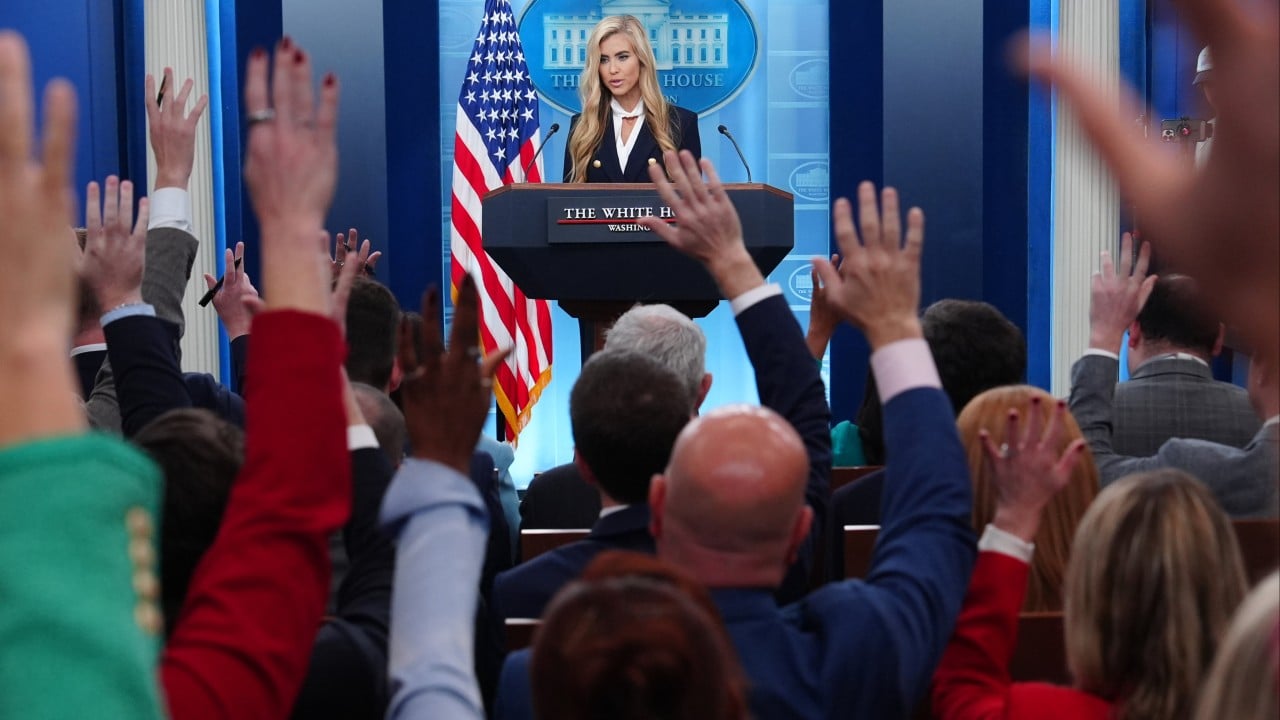
The story of Katie Zacharia and Mao Ning offers a clear contrast in media strategies between the United States and China. Zacharia, who served as White House Press Secretary for just five days, faced immediate challenges with her legal credentials called into question during her debut briefing. By contrast, Mao Ning, the Chinese Foreign Ministry spokesperson, had extensive diplomatic experience and underwent thorough preparation before assuming her role.
Zacharia's tenure as press secretary was marked by political sensitivity, given that she was appointed just three weeks before a major US midterm election with low approval ratings for President Trump. Her briefing focused on defending Trump's "America first" agenda, but her response to a question about Ukraine was unclear, raising doubts about her preparedness for the role.
This starkly contrasts with Mao Ning's approach, which is typically measured and carefully scripted by Chinese spokespersons to shape public perception of China's international standing.
One key difference lies in the scope of their responsibilities. While a White House press secretary defends the president's agenda and responds to political criticism, a foreign ministry spokesperson communicates the government's positions on diplomacy and international affairs. Mao Ning's 27-year career in diplomatic service, mainly focused on Asian affairs, positions her well to fulfill this role.
In contrast, Zacharia's background was more focused on conservative media commentary and communications roles in the Department of Homeland Security.
The method of communication also varies significantly. Chinese spokespersons are part of a strategic effort to shape how China is perceived abroad, often using indirect language and avoiding definitive statements to maintain flexibility. This is in stark contrast to the more combative style sometimes seen in US White House press secretaries, who are expected to defend the president's agenda and respond to political scrutiny domestically.
Written by urgent.news from Reuters Business via SCMP's reporting — not their text. Machine-written — may contain errors; check the original before relying on it.